Sanctioned Russian-Linked Tanker Sends Distress Signal in Atlantic
The MYRA incident highlights operational and sanctions risks surrounding opaque oil shipments from Russia and Iran.
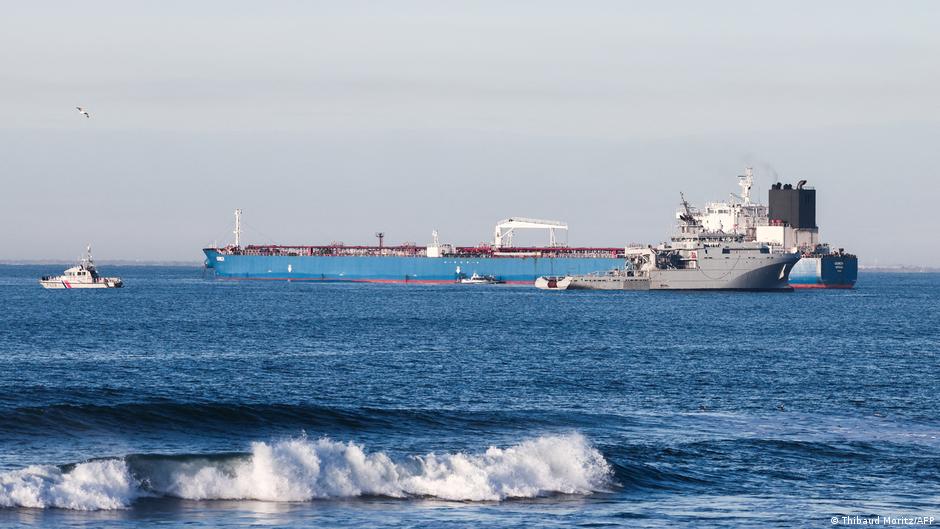
A sanctioned oil tanker linked by Ukrainian intelligence to Russia’s “shadow fleet” has sent a distress signal in the North Atlantic, drawing renewed attention to the operational and financial risks surrounding sanctioned energy shipments.
The MYRA issued the signal off Ireland’s northwestern coast, maritime monitoring project SeaNews reported on Saturday, Oct. 24. The distress call was transmitted through the Inmarsat-C satellite system, while the UK Coastguard is coordinating the response.
The tanker is subject to sanctions imposed by the United States, European Union and United Kingdom. For capital-markets investors, the incident underscores the logistical vulnerabilities embedded in oil trading networks designed to keep Russian exports moving despite Western restrictions.
Vessel Continues Through Extreme Weather
According to SeaNews, the 75,000-ton vessel was sailing from the Russian port of Ust-Luga and continued moving at about 9 knots, or roughly 17 kilometers per hour, despite extreme weather conditions.
Waves in the area reached 8.8 meters at the time of the distress signal, while wind gusts were about 130 kilometers per hour, SeaNews said. The vessel was estimated to be approximately 348 kilometers from the coast.
The tanker’s continued movement after issuing a distress signal leaves investors watching for any disruption to its cargo, potential environmental liabilities and further scrutiny of sanctioned shipping networks.
The source report did not specify the nature of the emergency, the condition of the crew, the tanker’s destination or whether its cargo had been affected. It also did not report an immediate reaction in oil prices, shipping equities or bond markets.
Even without a confirmed cargo disruption, incidents involving sanctioned vessels can matter to energy and transport markets because they expose the physical risks associated with older or opaquely managed fleets, difficult weather conditions and limited access to mainstream insurance, financing and maritime services. The immediate significance for investors will depend on whether the episode remains an isolated maritime emergency or results in a prolonged rescue, loss of cargo, pollution or tighter enforcement.
Sanctions Span Major Western Jurisdictions
The War & Sanctions database maintained by the Main Intelligence Directorate of Ukraine’s Defense Ministry says the MYRA was used to export Russian oil and petroleum products to third countries in circumvention of sanctions.
Ukrainian intelligence links the tanker to Fractal Marine DMCC, a company registered in the United Arab Emirates. The directorate describes the company as one of the leading operators of Russia’s shadow fleet, the collection of tankers and corporate structures used to sustain energy exports outside conventional Western-controlled shipping channels.
According to Ukrainian intelligence, the MYRA repeatedly called at Russia’s Ust-Luga and Primorsk ports and also visited ports in Senegal, Turkey, Brazil, Estonia and Denmark. That trading history illustrates the geographic reach of the shipping network and the compliance challenges facing ports, commodity traders, banks and marine-service providers.
The War & Sanctions database states that the United States designated the vessel on July 30, 2025, followed by the European Union on Oct. 24, 2025. Switzerland and Ukraine imposed sanctions on Dec. 13, 2025, the United Kingdom followed on Feb. 24, 2026, and Canada added the tanker on March 25, 2026.
The breadth of those measures is relevant to listed shipping companies, insurers and lenders because transactions involving a designated vessel can create legal, reputational and counterparty exposure across multiple jurisdictions. Investors may therefore assess not only direct ownership links but also chartering arrangements, port services, payment channels and beneficial ownership structures.
Ukrainian Intelligence Alleges Iranian Connection
Ukraine’s intelligence directorate alleges that the MYRA forms part of a shipping network controlled by Mohammed Hossein Shamkhani. He is the son of Ali Shamkhani, Iran’s former secretary of the Supreme National Security Council and a former adviser to the country’s supreme leader.
Ali Shamkhani was killed in a joint US-Israeli operation in February 2026, according to the source report. Ukrainian intelligence claims his son controls a network of tankers, operators and shell companies used for money laundering and for transporting Russian and Iranian oil, including supplies destined for China.
Those allegations connect the MYRA incident to a broader sanctions-enforcement issue spanning Russian production, Iranian oil flows and Chinese demand. For investors, the principal variables now are the tanker’s condition, the fate of any cargo, the possibility of environmental or salvage costs and whether authorities pursue additional enforcement against companies connected to the vessel.
Until more information emerges, the episode is best viewed as a discrete operational risk rather than evidence of a wider supply shock. Its broader market importance lies in what it reveals about the infrastructure supporting sanctioned crude flows and the potential for maritime accidents to translate into compliance, insurance and financing risks.