UN Faces Near Bankruptcy Amid Delayed Payments from US and China Impacting Global Markets
Delayed financial contributions from major donors US and China push UN towards bankruptcy, triggering concerns for global market stability and investor risk.
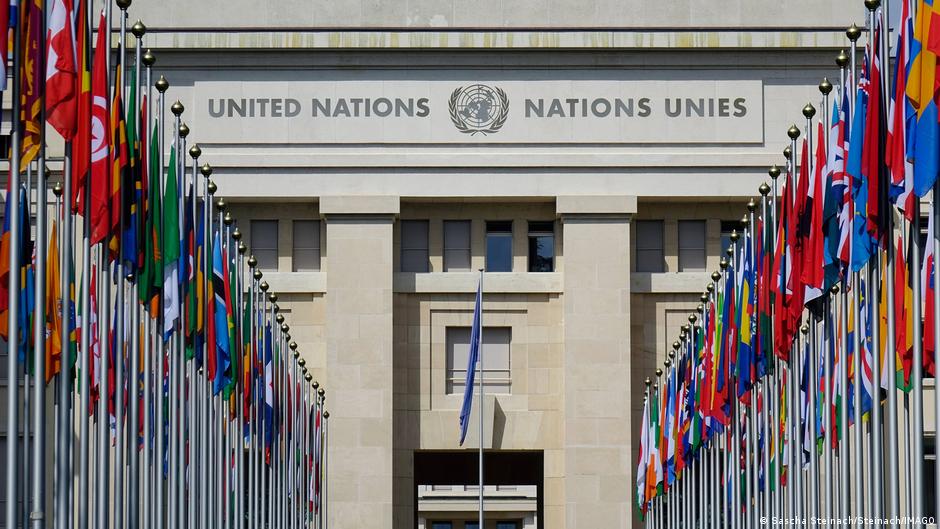
The United Nations is on the brink of bankruptcy due to delayed payments from the United States and China, which together account for 42% of the organization's budget contributions, according to recent reports. This financial strain has significant implications for global capital markets, investor confidence, and international financial stability.
Financial Shortfalls and Market Implications
The Wall Street Journal reports that the US currently owes the UN over $4 billion, while China, despite a partial payment of nearly $850 million during Foreign Minister Wang Yi's recent visit to the UN headquarters in New York, still has an outstanding debt of $455 million. China describes itself as the "de facto primary financial sponsor" of the UN and has promised to fulfill its commitments.
“The UN is in a 'race to bankruptcy' with funds potentially depleting by mid-August, raising concerns over operational continuity and leadership succession.”
The US administration has linked future financial support to cost-cutting measures within the UN, demanding reductions in staffing, fewer business-class flights, and increased use of machine translation. Other major donors like Germany and the UK have also reduced their funding, impacting humanitarian programs focused on hunger and disease. Political shifts in Sweden and the Netherlands have further contributed to declining contributions.
UN Secretary-General António Guterres warned as early as October 2023 about the "very real prospect of financial collapse," highlighting the urgency of the funding crisis. The UN is currently undertaking significant cost-saving actions, including closing offices, cutting 3,000 Secretariat positions, reducing translator shifts, disabling escalators, and postponing maintenance on its New York headquarters.
Impact on Operations and Investor Risks
Financial constraints have forced the UN to accelerate troop withdrawals from conflict zones in Africa and sharply reduce expenditures on peacekeeping missions. Payments to lower-income countries supplying troops, such as Nepal and Bangladesh, have been delayed. These operational cutbacks could exacerbate geopolitical instability, potentially affecting market sentiment.
From a capital markets perspective, the UN's financial crisis introduces heightened uncertainty. The organization cannot take loans, and its leadership has limited authority to restructure activities or reduce personnel costs, which make up 70% of expenses. These limitations risk undermining the UN’s ability to fulfill its mandates, potentially affecting global political stability—a factor closely monitored by investors worldwide.
Moreover, diplomatic pushback against even minor cost-saving measures, such as attempts to close secure entry points at headquarters, illustrates internal governance challenges. Such instability may reflect broader risks for investors in countries heavily engaged with or reliant on UN operations and policies.
Conclusion
The financial difficulties faced by the UN underscore vulnerabilities within international institutions amid shifting geopolitical dynamics and budgetary constraints. For capital markets and investors, the implications extend beyond humanitarian concerns to include potential volatility in equities and bonds linked to global stability. Monitoring developments in UN funding and governance will be critical for assessing emerging risks and opportunities in the global investment landscape.