Over 40 Nations Urge Prior Notification of Ballistic Missile Tests to Enhance Security
Global call for transparency in ballistic missile launches aims to reduce risks and stabilize capital markets amid geopolitical tensions.
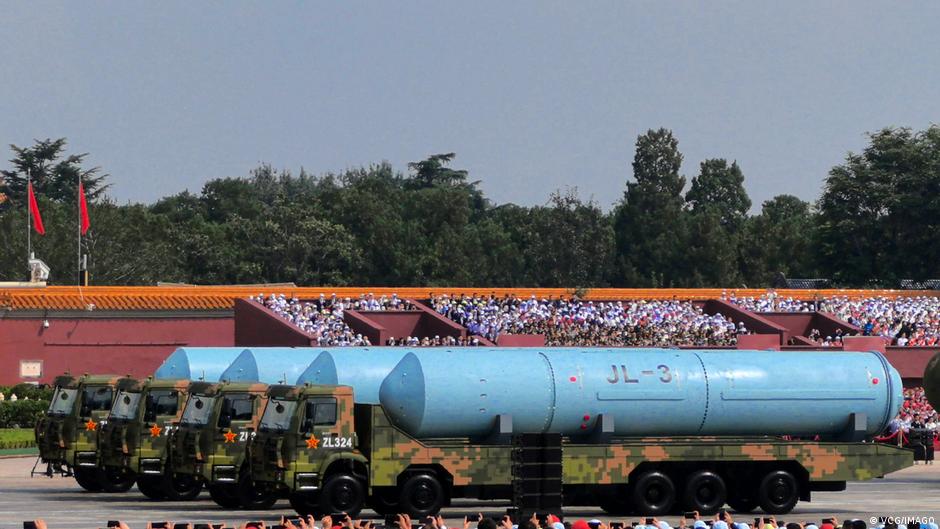
More than 40 countries, including the United States, South Korea, and Japan, have jointly called for mandatory advance notifications of ballistic missile tests, emphasizing the importance of transparency for global peace and security. This collective statement, issued on August 11, urges nations conducting intercontinental ballistic missile (ICBM) launches, submarine-launched ballistic missiles (SLBMs), and carrier rockets to provide at least 24 hours’ notice prior to testing.
Market Implications of Missile Test Transparency
"Ordered, transparent notification mechanisms do not limit military development but reduce miscalculations and build trust," the joint statement noted.
The call for prior notification reflects growing concern over recent ballistic missile tests that have raised tensions in key geopolitical hotspots, particularly in the Asia-Pacific region. For investors and capital markets, these developments introduce elements of risk and volatility, particularly in equities and sovereign bonds of countries directly involved or in proximity to these activities.
Recent missile tests, such as those conducted in the Pacific Ocean, have reportedly failed to meet established notification standards. While the statement refrained from naming countries, the incident in early July involved China launching a strategic missile from a nuclear submarine with little prior alert to the international community. Such actions can unsettle markets, heightening geopolitical risk premiums and pushing investors toward safe-haven assets.
Moreover, on the night of August 12, North Korea reportedly launched at least one ballistic missile from its eastern coast, marking its eleventh launch this year according to officials in Tokyo and Seoul. This latest launch, reaching an altitude of approximately 90 kilometers and traveling nearly 700 kilometers, further exacerbates regional tensions.
South Korea has responded by intensifying surveillance and vigilance in anticipation of potential future launches, signaling a heightened state of alert that could influence domestic and regional economic stability.
For investors, these developments underscore the necessity of monitoring geopolitical risk indicators closely, as missile tests and the ensuing diplomatic reactions can impact currency valuations, stock indices, and bond yields in affected countries. Increased military activity and uncertainty tend to elevate risk aversion, often leading to capital outflows from emerging markets and increased demand for U.S. Treasury bonds and gold.
The joint statement advocates for transparent communication regarding missile launches, including information on missile class, launch location, and intended trajectory. By promoting such protocols, the international community aims to mitigate accidental escalations and foster a more predictable security environment, ultimately benefiting global financial markets.
In summary, the push for standardized missile test notifications represents an effort to reduce geopolitical risk and stabilize capital markets in the face of ongoing regional tensions. Investors should remain alert to announcements and test activities, as these can serve as leading indicators of shifts in market sentiment and risk appetite.