Kyiv Missile Strikes Put Ukraine Infrastructure Risk Back in Focus
Attacks on Kyiv, Kharkiv and other regions highlight persistent risks to commercial property, logistics and critical infrastructure.
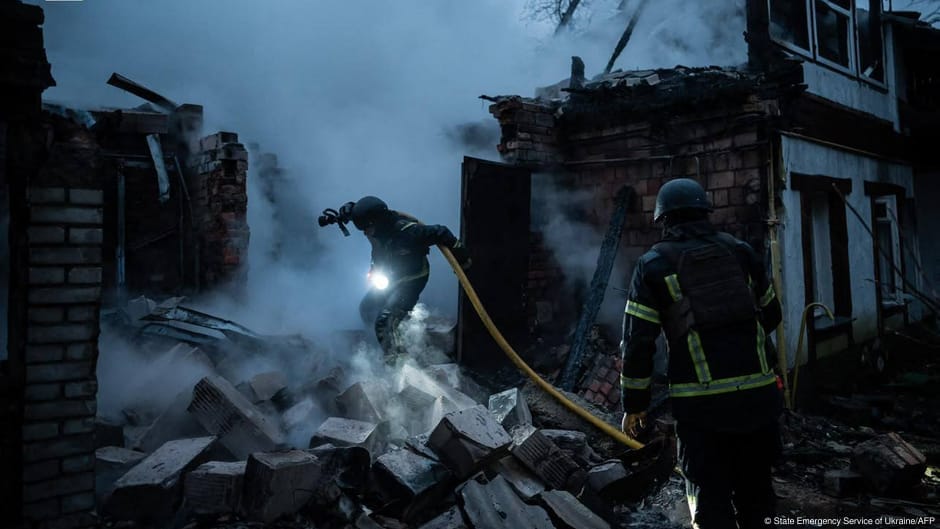
Ballistic missiles struck Kyiv late on Wednesday, November 25, wounding four people and damaging commercial and industrial property, according to the Ukrainian capital’s mayor, Vitali Klitschko. Two of the injured were hospitalized in serious condition.
The strikes hit the Desnianskyi district on the left bank of the Dnipro River. Among the sites affected were a shopping center, a building within an industrial zone and other non-residential premises, Klitschko said.
For capital-markets investors, the latest attacks reinforce the physical risks surrounding Ukrainian infrastructure, retail property, industrial assets and urban logistics. The source information did not provide immediate moves in equities, bonds, currencies or commodities, so no direct market reaction can be established from the reported events. Nevertheless, repeated damage to civilian and commercial facilities remains relevant to valuations, financing needs and the cost of risk protection.
Commercial and infrastructure exposure remains elevated
Attacks on shopping centers and industrial areas can disrupt businesses beyond the initial physical damage. Retail tenants may face temporary closures, while property owners can encounter repair expenses and weaker traffic. Industrial sites may also experience interruptions to production, storage or distribution, depending on the extent of the damage.
The consequences matter to investors with exposure to Ukrainian sovereign debt, businesses operating in the country and companies involved in reconstruction, logistics, energy resilience or insurance. Each new incident adds to uncertainty around capital expenditure and the durability of assets, even when no listed company or specific bond issuer is identified as directly affected.
The reported strikes renew investor attention on the vulnerability of commercial property, industrial facilities and critical infrastructure across Ukraine.
The Kyiv attack was followed on the morning of November 26 by Russian drone strikes on Kharkiv, Mayor Ihor Terekhov said. According to Terekhov, a drone hit a high-rise residential building in the Novobavarskyi district in the city’s southwest, starting a fire on the 15th floor. At least three people were injured.
Terekhov also reported another impact in the Kholodnohirskyi district but did not specify what type of facility had been hit. The lack of detail means the potential implications for local businesses or infrastructure cannot yet be assessed.
Earlier attacks struck logistics and critical assets
The latest incidents followed deadly attacks on several Ukrainian regions during the night of November 25. Three people were killed across the affected areas. In the Odesa region, local authorities said a 17-year-old boy and a 41-year-old man died. Three other residents, including a 12-year-old child, were wounded.
One person was also killed on the morning of November 25 in Bila Tserkva, a city in the Kyiv region, according to the authorities. Officials reported attacks on critical infrastructure as well as an Epicentr shopping center and a Nova Poshta branch.
The reported damage to a postal facility is particularly relevant to the operating environment for commerce. Delivery networks are a key link between consumers and businesses, and disruptions can affect inventory movement, fulfillment and regional distribution. The attack on critical infrastructure also underscores the continuing need for backup power, dispersed storage capacity and other resilience measures.
From a sovereign-credit perspective, recurring attacks may sustain pressure on public spending by increasing emergency, repair and reconstruction requirements. They can also complicate forecasts for economic activity and government financing. The reports provided no estimates of monetary damage, repair timelines or changes to public borrowing needs, preventing a quantified assessment.
What investors are watching
Investors will be looking for official damage assessments, information on whether operations at the affected commercial and logistics sites have resumed, and any indication that critical services were interrupted. Further disclosures could help clarify whether the incidents have consequences for individual issuers, lenders or contractors.
Markets may also focus on the frequency and geographic reach of attacks. The reported incidents affected Kyiv, Kharkiv, the Odesa region and Bila Tserkva over a short period, demonstrating that operational exposure is not confined to a single city or asset category.
For now, the immediate picture is one of renewed security risk rather than a measurable trading signal. Without verified price movements or company-specific disclosures, investors have limited grounds for attributing changes in equities or bonds directly to these strikes. The attacks nonetheless keep Ukraine’s security environment, infrastructure vulnerability and reconstruction financing firmly within the risk calculations applied to the country and to businesses with operations there.



