US Extends Temporary License for Serbian NIS Amid Sanctions and Ownership Transition
US sanctions on NIS push for Gazprom’s stake sale, but operational license extended again, affecting market stability and energy supplies.
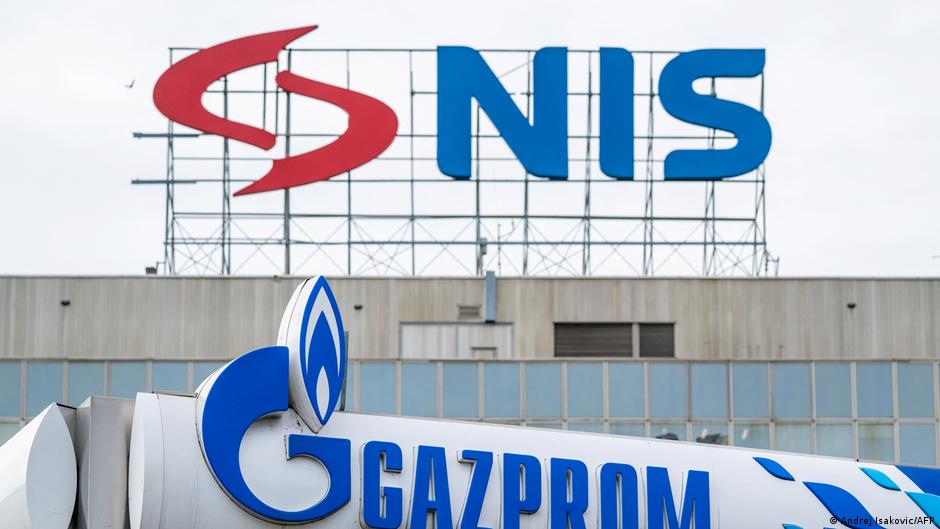
The United States has granted another 30-day extension to the temporary license allowing Serbia's Naftna Industrija Srbije (NIS), under Russian control, to continue its operations amid ongoing American sanctions. This extension prolongs the deadline for completing the sale of Gazprom's stake in NIS, a key Serbian oil company.
The announcement was made on June 30 by Serbian Energy Minister Dubravka Đedović Handanović, referencing information from the US Treasury’s Office of Foreign Assets Control (OFAC). Despite restrictions, the Pančevo oil refinery operated by NIS continues processing crude oil, sustaining Serbia’s fuel supply chain.
Sanctions and Ownership Dynamics Affect Market Sentiment
In January 2025, NIS was added to the US sanctions list due to Gazprom’s controlling interest, prompting Washington to demand the sale of Gazprom Neft’s and its affiliate Intelligence’s combined 56% stake in the company. These sanctions, effective since October, led to disruptions including the halt of oil deliveries via the Adriatic pipeline (JANAF) through Croatia and a temporary shutdown of the Pančevo refinery.
On January 19, 2026, Hungarian oil and gas firm MOL signed an agreement to acquire Gazprom’s stake in NIS. The initial deadline to finalize the transaction was May 22, but OFAC has extended the time frame multiple times, with the latest 30-day extension granted in late June.
"The Pančevo refinery continues operating despite the challenging sanctions environment, underscoring the strategic importance of NIS for Serbia's energy needs," said Energy Minister Dubravka Đedović Handanović.
Gazprom Neft currently owns a 44.9% share in NIS, with an additional 11.3% held by Gazprom’s investment division. The Serbian government owns a 29.9% stake, highlighting the company’s mixed ownership structure. NIS supplies approximately 80% of Serbia's gasoline and diesel fuel needs, along with over 90% of its jet fuel and heavy fuel oil demand.
Implications for Investors and Capital Markets
The repeated extensions of the US temporary license signal ongoing regulatory uncertainty surrounding NIS, impacting equity and bond markets linked to the company and its stakeholders. Investors face a complex risk environment due to geopolitical tensions and the protracted divestiture process. The potential acquisition by MOL, a major Central European energy player, could alter market dynamics, but delays have kept the sector volatile.
The sanctions have contributed to supply chain disruptions in the regional energy sector, with downstream impacts on fuel prices and investor confidence in affected equities. Market participants are closely monitoring OFAC announcements and the progress of the stake sale, as these developments carry significant implications for NIS’s operational continuity and financial performance.
Overall, while NIS maintains critical energy supply roles within Serbia and the broader region, the evolving sanctions landscape and ownership uncertainties continue to pose challenges for market stability and investor decision-making.