EU Adds €710 Million in Humanitarian Aid as Investors Track Fiscal Pressures
The new package directs major funding to Africa, the Middle East and Ukraine, adding to closely watched EU spending commitments in 2026.
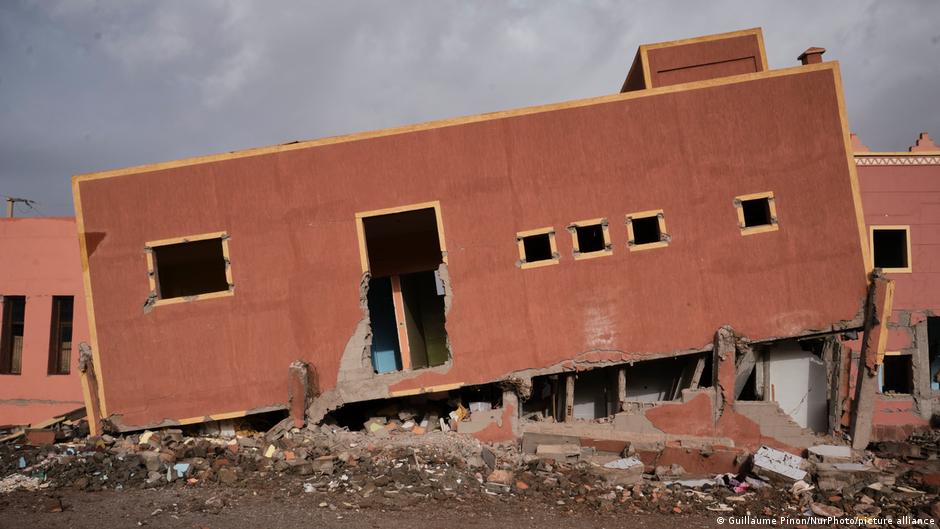
The European Union will allocate an additional €710 million in humanitarian assistance for people affected by armed conflicts, natural disasters and other crises worldwide, European Commission President Ursula von der Leyen said on Saturday, September 26. For investors, the announcement adds another data point to a broader picture of EU fiscal priorities at a time when markets are closely monitoring public spending, geopolitical risk and the direction of sovereign debt issuance across Europe.
Von der Leyen announced the package in a video address to participants of the Global Citizen Festival in New York, an event that was later cancelled because of bad weather. The funding is humanitarian in nature, but its allocation also speaks to the policy pressures facing European institutions: migration management, war-related displacement, emergency relief and winter support for Ukraine remain prominent budgetary demands.
Von der Leyen said special attention would be given to Africa, as well as to forcibly displaced people and the communities hosting them.
According to the announcement, roughly €380 million will go toward migration-related measures in countries of sub-Saharan Africa. That includes support for the most vulnerable groups of migrants, as well as assistance for returns to countries of origin and reintegration. The focus on migration is likely to be viewed by policy analysts and investors as part of the EU's effort to stabilize regions that have direct implications for European domestic politics, border policy and development financing.
Budget Signals for Bond and Equity Markets
The additional spending does not, on its own, alter the structure of European capital markets. Still, it comes in a year when investors are sensitive to how governments and supranational institutions balance humanitarian commitments with defense needs, economic support and fiscal discipline. For bond markets, the relevance lies less in the headline figure than in the accumulation of spending obligations against a backdrop of elevated borrowing needs in several European economies.
EU-level humanitarian spending is funded through public budgets, and market participants tend to assess such commitments alongside broader expenditure plans, fiscal rules and debt sustainability debates. While €710 million is modest relative to the scale of euro-area government bond markets, the package reinforces the political reality that crisis-related spending has become a recurring feature of European budgets rather than an exceptional item.
For equities, the direct market impact is likely to be limited. However, companies exposed to infrastructure, logistics, medical supplies, food distribution and reconstruction-related services may remain attentive to the flow of public and multilateral aid, particularly in regions where EU funding supports emergency procurement and rebuilding. Investors are also likely to monitor whether sustained aid to Ukraine continues to support demand for housing reconstruction, medical assistance, cash transfers and winter preparedness services.
Where the Money Is Going
Of the package, €252 million will be directed to emergency assistance linked to active armed conflicts, forced displacement, epidemics and natural disasters. Within that amount, €97 million is earmarked for countries in sub-Saharan Africa, €103 million for the Palestinian territories and Lebanon, and €52 million for Ukraine, including support for winter preparations.
Smaller amounts are also planned for the African Great Lakes region and for efforts to respond to an Ebola outbreak in the eastern Democratic Republic of Congo. The structure of the package underlines the EU's attempt to spread funding across multiple crisis zones while maintaining a strong emphasis on Africa and on regions affected by conflict and displacement.
In 2026, the EU budget included about €1.9 billion for humanitarian assistance worldwide. The largest spending categories were €557 million in support for countries in sub-Saharan Africa and €463 million for the Middle East and North Africa, according to European Commission data cited in the source article. The new commitment therefore sits within a wider humanitarian framework that investors may read as part of the bloc's medium-term external spending profile.
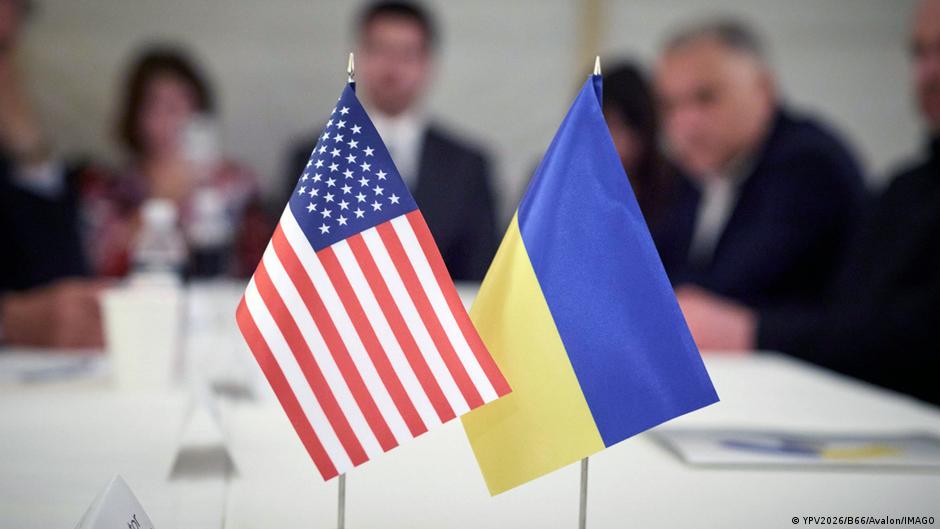
Ukraine remains a major recipient of EU humanitarian support. The EU had initially set aside €145 million for humanitarian aid to Ukraine in 2026. In recent months, however, the volume of humanitarian assistance for Ukraine and Moldova was increased to €248 million. The funds are directed toward food purchases, medical aid, housing reconstruction, cash payments and preparation for winter.
Since the start of Russia's full-scale war against Ukraine, the European Commission has allocated more than €1.4 billion to humanitarian aid programs for Ukraine. That ongoing commitment remains relevant for investors assessing geopolitical risk in Europe, particularly in sectors linked to energy security, reconstruction, public finance and regional supply chains.
For markets today, the announcement is unlikely to trigger an immediate repricing of European equities or bonds. Its significance is more cumulative: the EU continues to layer humanitarian and crisis-response spending into its budget at a time when investors are watching how public authorities manage competing demands from security, migration, social stability and external assistance. The package is therefore less a market-moving event than a reminder that geopolitical and humanitarian pressures remain embedded in Europe's fiscal outlook.