U.S.-Iran Talks at U.N. Offer Markets a Fresh Geopolitical Signal
Donald Trump said mediated talks with Iran were very productive, even after warning Tehran of destruction earlier at the U.N.
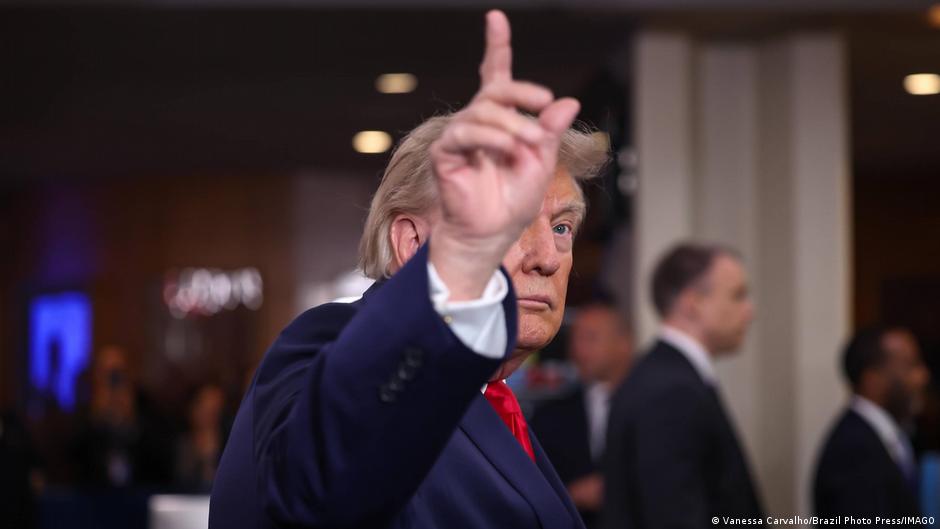
U.S. President Donald Trump said American and Iranian officials held a roughly three-hour meeting in New York on the sidelines of the 81st session of the United Nations General Assembly on Tuesday, September 22, describing the mediated discussions as "very productive." The encounter marked the first such contact in several months and immediately added a new geopolitical variable for investors tracking oil, shipping risk, defense shares and safe-haven demand.
The talks took place after a sharply confrontational address in which Trump threatened to send the Islamic Republic "to hell" and to "destroy" it. That sequencing matters for capital markets: investors are being asked to price both a possible diplomatic opening and the risk of escalation from Washington's rhetoric. For trading desks, the headline offered something rare in a volatile geopolitical tape: movement on both sides of the risk ledger.
According to Trump, U.S. special envoys Steve Witkoff and Jared Kushner participated on the American side, while Iranian Foreign Minister Abbas Araghchi represented Tehran. The meeting was mediated by Qatar and Pakistan, The New York Times reported. The use of intermediaries rather than direct bilateral talks suggests a channel remains open, but also underscores the fragility of the process.
"A round of discussions was successfully completed, which we hope will prove constructive and promising. The mediators will continue their work," Witkoff said later on X.
Why investors are watching Hormuz
The market sensitivity is clearest in energy and shipping. Iranian state media said Tehran used the talks to inform Washington of its conditions for restoring shipping through the Strait of Hormuz. Those conditions included an immediate end to the U.S. naval blockade, the unfreezing of all Iranian assets frozen under sanctions and a halt to any military actions.
The Strait of Hormuz is a central artery for global oil flows, so any sign of disruption, reopening or negotiated conditions can alter expectations for crude prices, tanker rates and inflation-sensitive assets. The source article did not provide market pricing, oil moves or trading levels, but the political signal alone is relevant for investors assessing whether risk premia in energy markets may expand or compress in the near term.
If diplomacy appears to gain traction, equities tied to transport, airlines and fuel-intensive industries could benefit from reduced fears of a supply shock. Conversely, any renewed military threat could support oil, defense stocks and traditional havens while weighing on broader risk appetite. Bond investors would also be watching the inflation channel, since higher energy costs can complicate rate expectations and pressure longer-duration assets.
At a meeting with leaders of Persian Gulf countries on the sidelines of the General Assembly, Trump said there was "great momentum" toward reaching an agreement with Iran, AFP reported. That comment was more constructive than his earlier remarks at the U.N., where he framed Iran as facing a stark choice.
"Will there be an agreement with Iran that will allow it to recover and become a much more powerful country? Or will I destroy the Islamic Republic, and quickly, so that it never again has a chance to kill people and destroy countries," Trump said.
AFP reported that the Iranian delegation left the hall during Trump's speech. For markets, that image tempers the optimism generated by the later talks. Diplomacy may be active, but public confrontation remains intense, and the gap between public messaging and private negotiation can produce sharp headline-driven moves.
A geopolitical risk premium, not a resolution
The immediate takeaway for investors is not that a deal is near, but that communication has resumed after several months without such meetings. That can reduce tail-risk fears at the margin, especially if Qatar and Pakistan continue shuttle diplomacy. Still, Tehran's stated conditions are expansive and touch sanctions, military posture and maritime security, leaving significant room for deadlock.
The contrast between Trump's threat to destroy Iran and his later description of the meeting as productive also complicates the signal for equity and bond markets. Risk assets often welcome signs of negotiation, but they can react negatively when diplomatic headlines are paired with military language. That tension may keep volatility elevated in sectors exposed to Middle East risk.
For portfolio managers, the developments reinforce the need to separate diplomatic process from investable outcome. A three-hour mediated meeting is meaningful after a long pause, yet it does not remove the risk of further escalation around shipping, sanctions or military action. In that sense, the U.N. meeting offers markets a fresh data point rather than a clear turning point.
Investors today are likely to watch for follow-up comments from Washington, Tehran and the mediators, as well as any clarification on the status of shipping through the Strait of Hormuz. Until then, the episode leaves markets balancing two competing forces: the prospect of continued negotiations and the persistent danger that hostile rhetoric could translate into policy or military action.