Russian Fuel Curbs Return as Refinery Strikes Renew Market Pressure
Regional gasoline limits in Kaluga and Zabaikalsky highlight supply stress that could feed into inflation, transport costs and investor risk pricing.
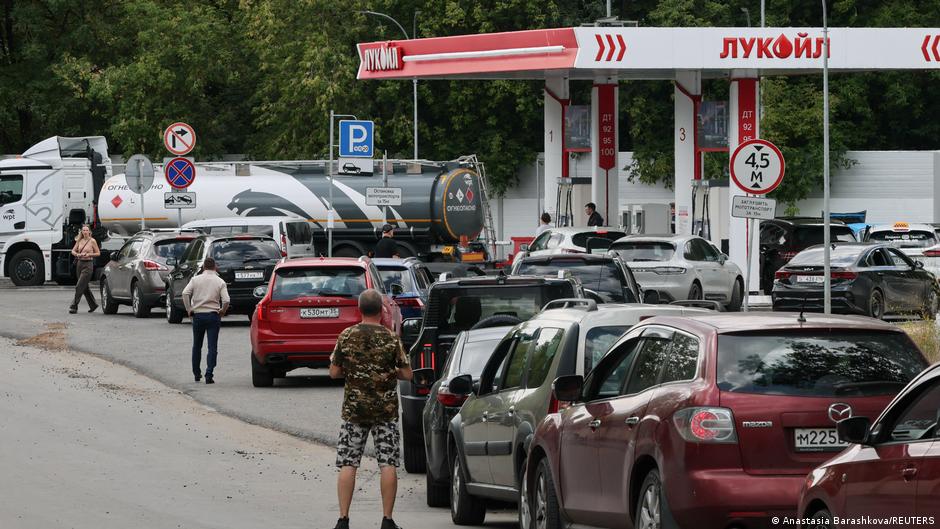
Authorities in Russia's Kaluga region and in Zabaikalsky Krai are again imposing restrictions on gasoline sales after intensified Ukrainian attacks on oil refineries disrupted fuel supplies. For investors watching Russian energy, transport costs and inflation pressure, the return of rationing points to a renewed strain in the downstream oil market rather than an isolated regional shortage.
In Kaluga, a region bordering Moscow and the Moscow region, restrictions resume on September 23, Governor Vladislav Shapsha said on Tuesday, September 22. Drivers will be allowed to refuel on even or odd days depending on the first digit of their vehicle registration number. Gasoline may be poured only directly into a vehicle's tank, limiting the ability to stockpile fuel in containers.
The measures are being introduced against the backdrop of increased strikes by Ukraine's armed forces on Russian oil refineries. The immediate market signal is logistical fragility: if refinery outages and transport bottlenecks translate into queues at filling stations, the effect can move quickly from regional inconvenience to broader price, margin and policy risk.
"We are currently recording local logistical disruptions in fuel supplies to certain filling stations. Queues have returned. This is causing justified dissatisfaction," Shapsha wrote on his Telegram channel.
Kaluga had already introduced an even-odd gasoline sales regime on August 15. Those restrictions were lifted from September 1, making the latest decision a reversal after only three weeks. That short interval matters for capital markets because it suggests the authorities' earlier stabilization was fragile and dependent on refinery availability, delivery routes and fuel inventories.
Regional limits signal wider supply stress
In Zabaikalsky Krai, the regional operational headquarters also announced that from September 23 the BRK and Kors filling station networks will set limits of 15 liters of AI-92 and AI-95 gasoline per vehicle. Buyanto Batomunkuev, the region's first deputy prime minister, said the new restrictions were necessary because total fuel stocks at filling stations and oil depots stand at 17,000 tons and, at the current rate of sales, would last only 20 days.
The Zabaikalsky measure follows a familiar pattern. Similar restrictions were introduced in the region in June and lifted on July 23. The return of caps two months later underlines the risk that Russia's fuel market is cycling between emergency relief and renewed shortage, with little room for durable normalization while refineries remain exposed to attacks and shutdowns.
Fuel sales restrictions, imposed either by regional authorities or by filling station chains themselves, were introduced this summer in almost all Russian regions, as well as in annexed Crimea. Supply problems became significant enough that Russian President Vladimir Putin on June 28 ordered systemic measures to stabilize the market.
For equity investors, the pressure is relevant across several channels. Refiners can face reduced throughput when facilities are damaged by strikes or fires, while retail fuel operators may face volume limits, public scrutiny and administrative controls. Transport, agriculture, construction and consumer-facing sectors can also be affected if fuel availability tightens or delivery costs rise. Even where prices are regulated or politically sensitive, shortages can still surface in queues, rationing and margin compression.
For bond investors, the issue is inflationary and fiscal. Gasoline shortages can feed into expectations for transport and distribution costs, complicating inflation management. If authorities intervene through subsidies, logistics support, export controls or other stabilizing measures, fiscal and quasi-fiscal burdens may increase. The situation also adds operational risk to regions already managing wartime disruption and sanctions-related constraints.
Refinery attacks and inflation risk
The fuel deficit emerged after drone attacks on Russian refineries by Ukraine, which has been defending itself for more than four years against Russia's military invasion. As a result of strikes and fires at refineries, facilities were forced to cut production or stop it completely. Restrictions were later lifted, but from the beginning of August Ukrainian attacks on refineries intensified again, and Russia entered a second wave of fuel crisis.
By mid-September, Russia's gasoline deficit had worsened: fuel was unavailable at almost every second filling station, Novaya Gazeta Europe reported, citing data from the gdebenzin service. That datapoint, if sustained, points to a scale of disruption that investors cannot treat as merely local. A shortage across filling stations can affect household behavior, regional commerce and expectations for further administrative action.
The renewed limits in Kaluga and Zabaikalsky also show how quickly regional governments and operators are moving from market allocation to rationing. In Kaluga, the even-odd system uses license plate numbers to manage demand. In Zabaikalsky, the 15-liter limit on AI-92 and AI-95 gasoline is tied directly to inventory life, with officials warning that current stocks would cover only 20 days under existing sales patterns.
Market reaction will depend on whether these measures remain localized or spread further. If refinery attacks continue and inventories keep shrinking, investors may price higher risk into Russian energy infrastructure, transport-linked sectors and regional credit. If the restrictions are lifted quickly and supplies recover, the impact may remain mostly operational. But the repeated pattern of controls, removal and reimposition makes the fuel market an important near-term indicator for Russia's broader wartime economic resilience.
For now, the key takeaway for capital markets is not only that gasoline is being rationed again, but that the rationing is returning in regions with different geography and prior experience of shortages. That suggests the constraint is systemic enough to test policy tools, corporate logistics and investor assumptions about the stability of Russia's domestic fuel supply.