EU Sanctions Deadline Puts Russia-Linked Assets Back in Market Focus
Kaja Kallas urged EU ambassadors to renew Russia sanctions as divisions over Alisher Usmanov and Mikhail Fridman created a near-term policy risk for investors.
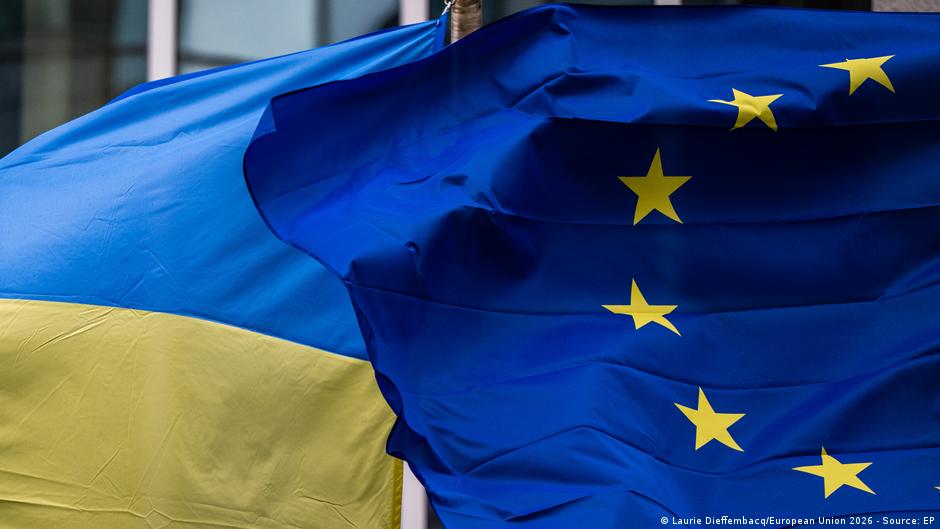
European Union sanctions against Russia moved back into focus for investors this week after the bloc’s foreign-policy chief, Kaja Kallas, urged EU ambassadors to extend restrictive measures tied to Moscow’s war in Ukraine. The immediate market relevance is not a change in policy, but the risk that a routine rollover becomes a fresh source of political uncertainty for assets linked to Russia, European policy expectations and broader geopolitical risk pricing.
Kallas made the appeal ahead of a new meeting of permanent representatives of EU member states. Speaking to journalists in New York on Monday, Sept. 21, she said maintaining sanctions against Russia remains important because the measures are intended to deprive Moscow of financing for the war in Ukraine.
“Sanctions are a key element of our response to the war unleashed by Russia,” Kallas said.
Her comments followed an earlier failure by EU ambassadors to agree on another six-month extension of sanctions imposed over Russia’s violation of Ukraine’s territorial integrity. On Sept. 14, the representatives were unable to reach consensus and instead decided to keep the existing regime in place while consultations continued, with the temporary extension running until midnight on Sept. 22.
Policy Risk Around a Sanctions Rollover
For capital markets, the issue is a reminder that sanctions regimes are not merely diplomatic instruments; they shape the investability of assets, the compliance burden for banks and brokers, and the risk premium applied to companies and individuals with perceived Russian exposure. Any uncertainty over renewals can matter for investors assessing legal risk, counterparty risk and the status of frozen or restricted assets.
According to Kallas, EU representatives are seeking to complete negotiations on the renewal of punitive measures against Russia soon and ensure that they enter into force quickly. She also said the EU position remains unchanged and that Brussels is already working on a new sanctions package.
The next meeting of EU permanent representatives was scheduled for the morning of Sept. 22, according to a DW correspondent in Brussels citing an EU diplomat. The meeting was expected to discuss removing sanctions from Russian billionaires Alisher Usmanov and Mikhail Fridman while preserving restrictive measures against thousands of other individuals and organizations.
The focus on Usmanov and Fridman is especially sensitive for markets because sanctions on high-net-worth individuals often intersect with corporate holdings, banking relationships and cross-border asset structures. Even when listed equities or bonds are not directly named, investors tend to monitor such cases for signs of whether EU enforcement is tightening, fragmenting or becoming more open to exemptions.
Divisions Among EU States
The earlier deadlock was linked to disagreements over the status of the two Russian billionaires. Sources speaking to DW on condition of anonymity said Slovakia was seeking to remove Usmanov and Fridman from the sanctions list. France, in turn, blocked the extension of the sanctions regime while seeking the removal of Usmanov. Luxembourg also supported taking Fridman out from under the punitive measures, Reuters reported on Sept. 21, citing diplomatic sources.
That split matters to investors because EU sanctions decisions require political alignment. A delay or dispute over individual listings can create uncertainty well beyond the individuals concerned, particularly when the renewal of a wider sanctions regime is tied to the same negotiations. For bondholders, banks and asset managers, the practical question is whether a temporary procedural dispute can affect settlement, custody, asset freezes or compliance interpretations.
At the same time, Kallas’s public position suggests the core EU policy line has not shifted. She emphasized that sanctions remain central to the bloc’s response and that work is already under way on a further package. From a market perspective, that points less to sanctions relief and more to continued regulatory pressure on Russian-linked financial channels.
Ukraine reacted critically to the possibility of removing sanctions from both Usmanov and Fridman. Ukrainian Foreign Minister Andrii Sybiha said the two were placed on sanctions lists because of their connection to the “Russian aggressive regime, which is waging a war of conquest against Ukraine.” He said nothing had changed since then.
For equities, the direct impact is likely to be concentrated in companies and sectors already sensitive to Russia-related compliance risk, energy exposure and European political decisions. For fixed income, the broader implication is that geopolitical risk remains embedded in European credit and sovereign-rate narratives, especially where sanctions affect trade flows, financing channels or investor appetite for riskier exposures.
Investors will be watching whether EU ambassadors can complete the renewal quickly and whether any names are removed from the sanctions list. A smooth extension would reinforce continuity in Brussels’ sanctions framework. A prolonged dispute, by contrast, could raise questions about unity inside the bloc at a time when markets are already alert to the cost of policy uncertainty.