Business
Russia to Join G20 Energy Talks as Markets Watch Security Risks
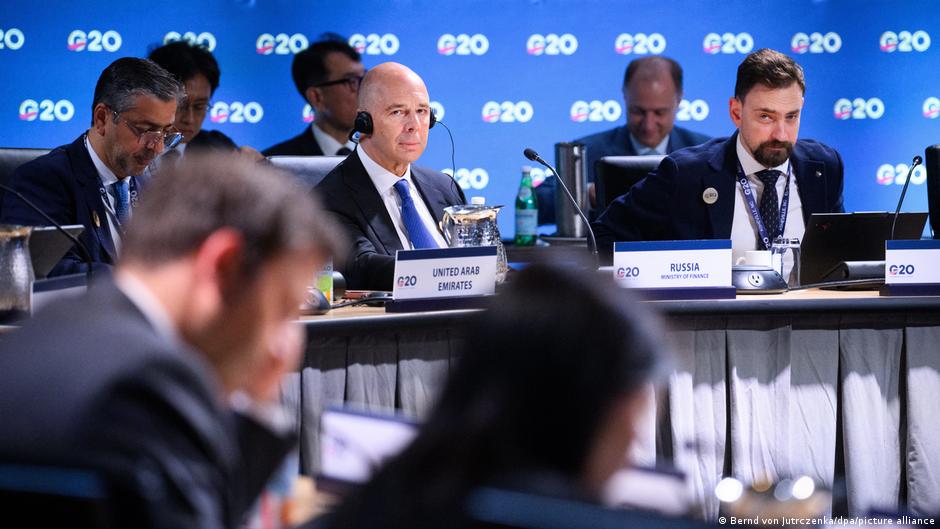
Russia is expected at next week’s G20 energy talks in Houston, putting energy security and sanctions risk back in focus for investors.
Editorial Team·
·4 min
Russia is expected at next week’s G20 energy talks in Houston, putting energy security and sanctions risk back in focus for investors.

Houthi forces captured Mocha, strengthening their position near Bab el-Mandeb and raising investor concerns over oil supply and market volatility.
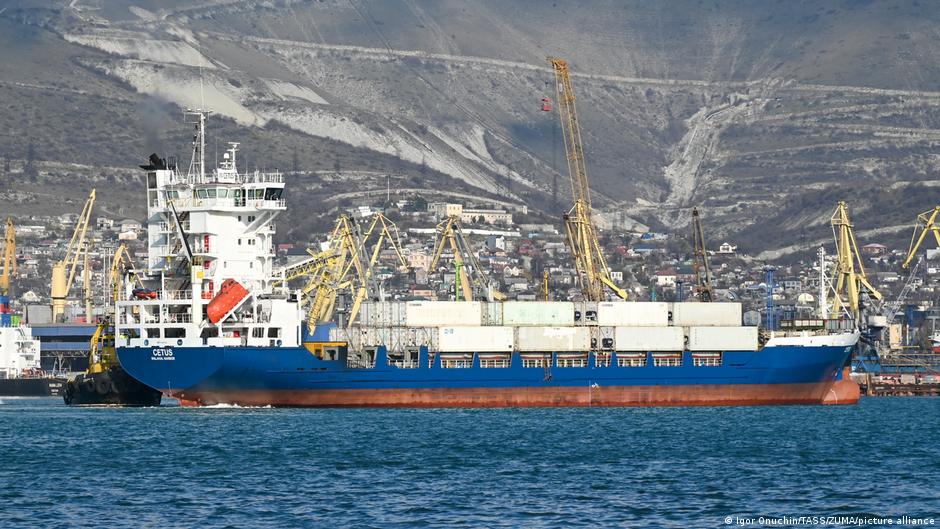
A drone attack on Novorossiysk renews investor focus on Russian export infrastructure, with ASTRA reporting fires at a fuel oil terminal and a residential building.
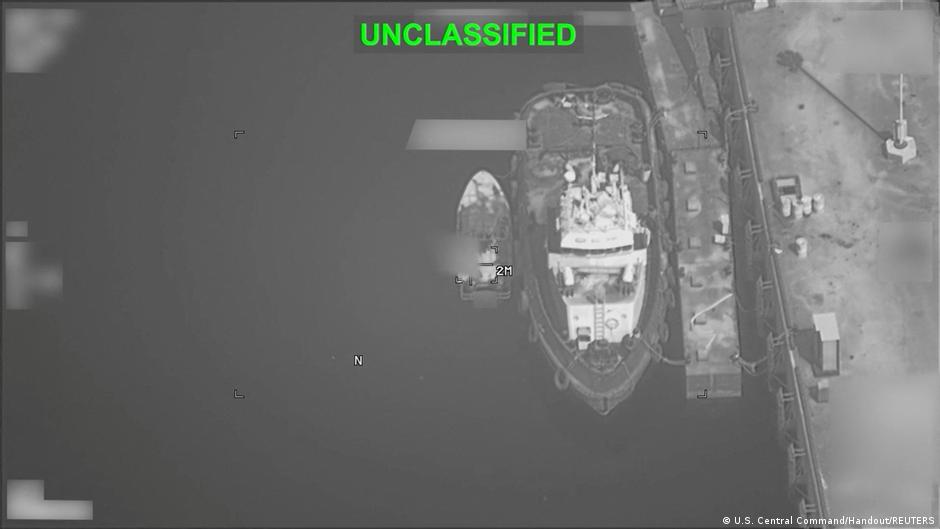
CENTCOM said it destroyed five Iranian oil tankers after missile attacks on a U.S. Navy ship, sharpening market focus on Hormuz risk.

AfD’s decisive Saxony-Anhalt win leaves no clear governing majority, adding political risk for investors watching Germany’s markets.
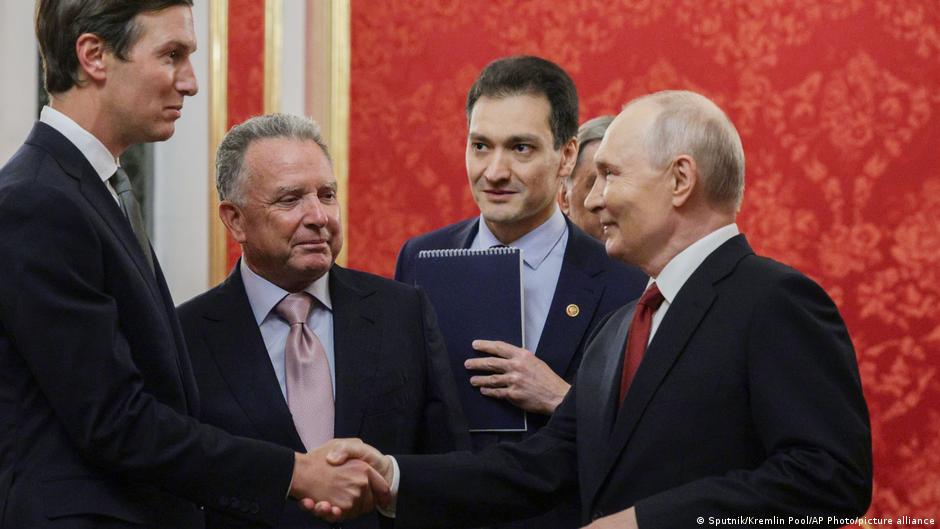
US envoys discussed concrete Ukraine peace plans with Putin and are heading to Kyiv, creating a new geopolitical risk event for markets.
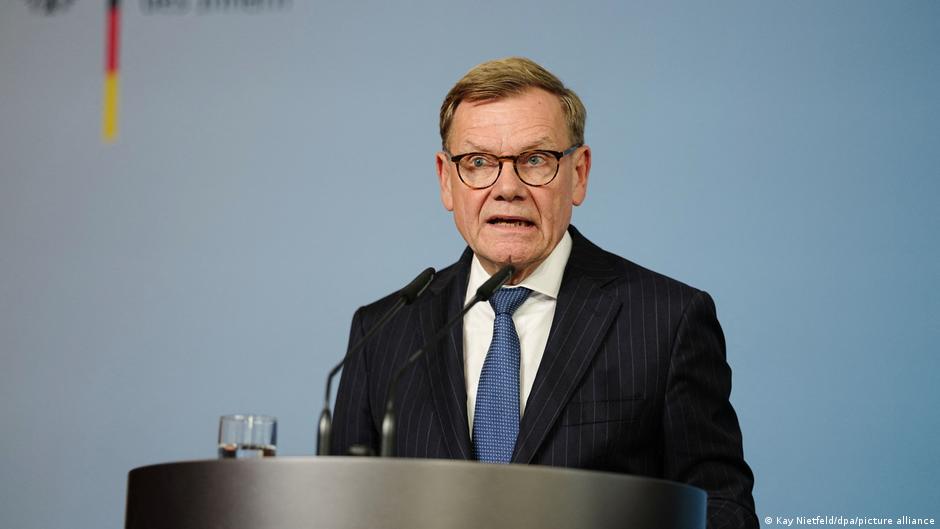
Germany’s new moves against Russia sharpen geopolitical risk for European markets and keep sanctions-sensitive sectors in focus for investors.
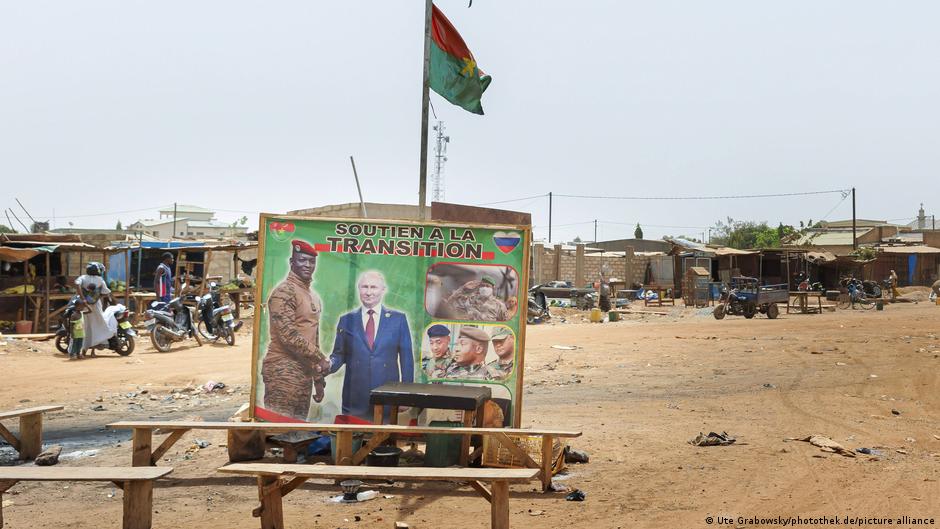
Russia's covert air fleet supporting military operations in Africa raises risks of new sanctions, impacting equities and bonds linked to implicated aviation firms.
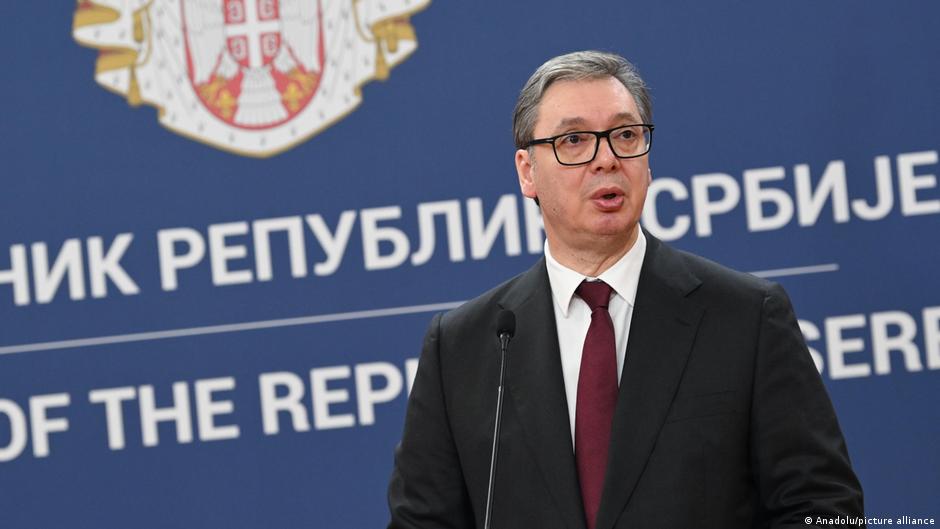
Serbia schedules early parliamentary elections for October 2023 amid protests and political uncertainty, raising concerns about market volatility and investor confidence.
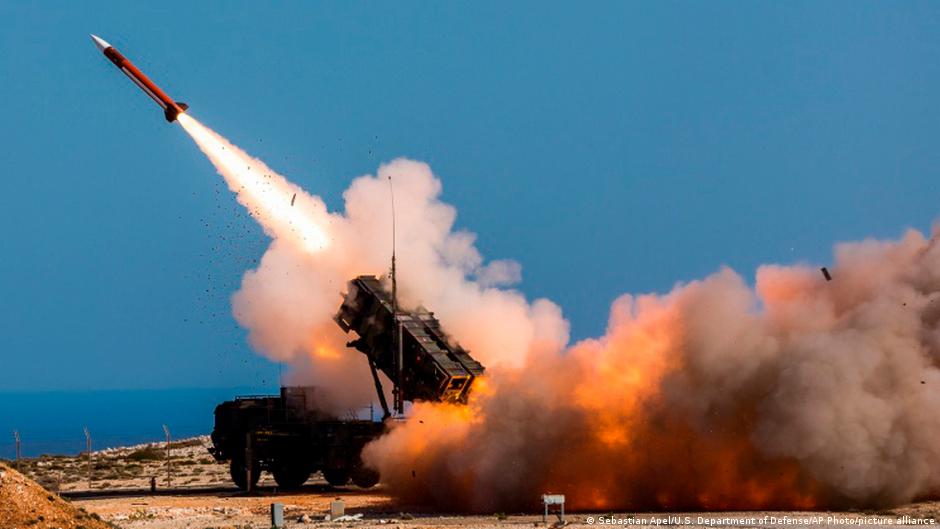
NATO affirms readiness after Iran reportedly plans strikes on military bases in Bulgaria and Cyprus, raising geopolitical risks that affect European market stability and investor confidence.
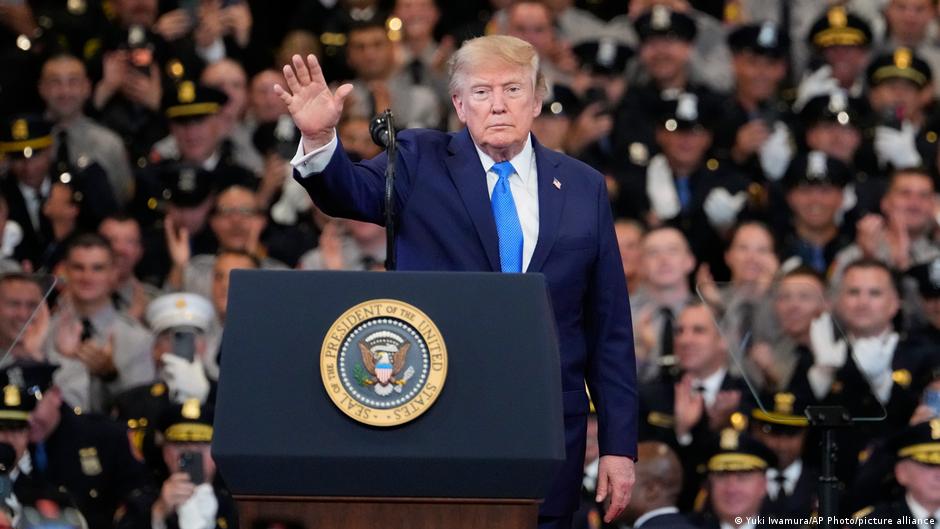
Trump threatens Oman with bombing over obstructing US-Iran talks on Strait of Hormuz, escalating geopolitical risks that impact oil markets and investor sentiment.
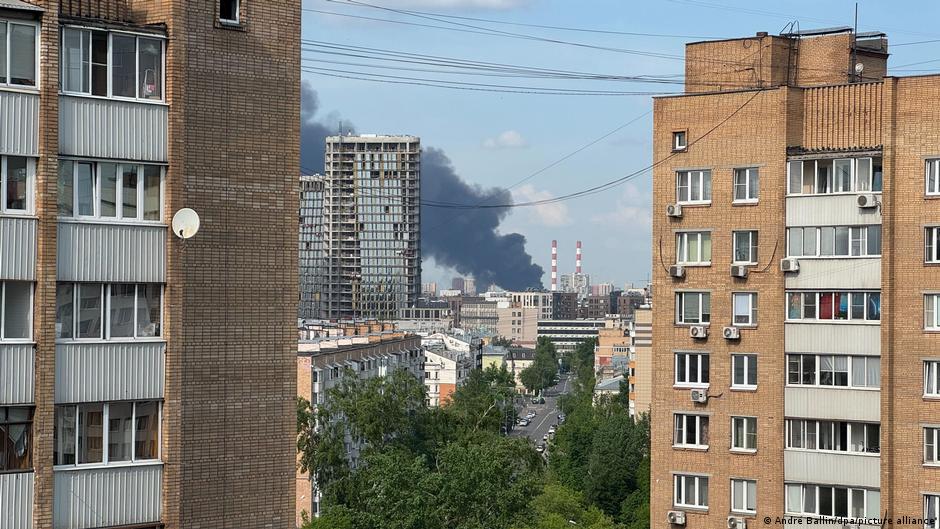
Over 180 drones were shot down near Moscow during a major nighttime attack, impacting infrastructure and prompting airspace and operational disruptions with market implications.

Qatar denies holding Iranian pilots amid Middle East conflict, a claim adding to regional tensions that continue to influence capital markets and investor confidence.
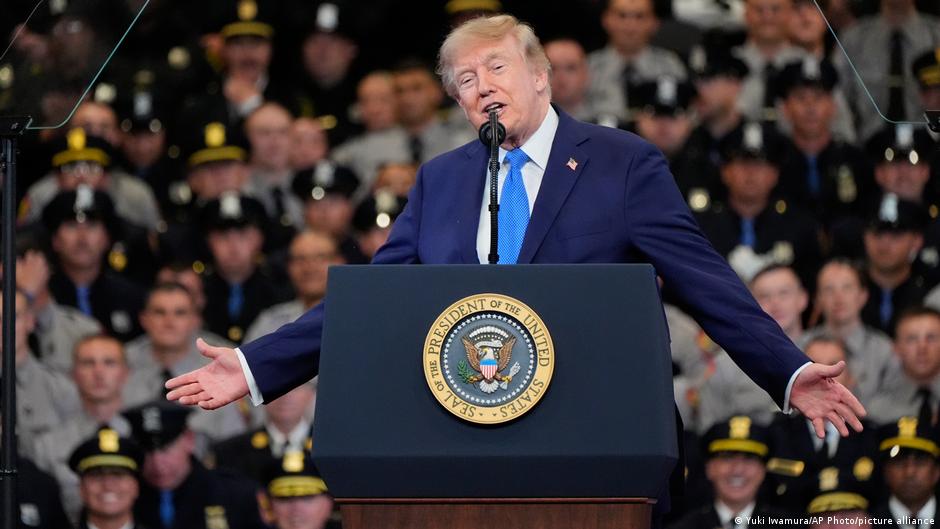
President Trump’s move to declare the Strait of Hormuz US territory signals indefinite military deployment, escalating geopolitical risks and impacting global oil markets and investments.
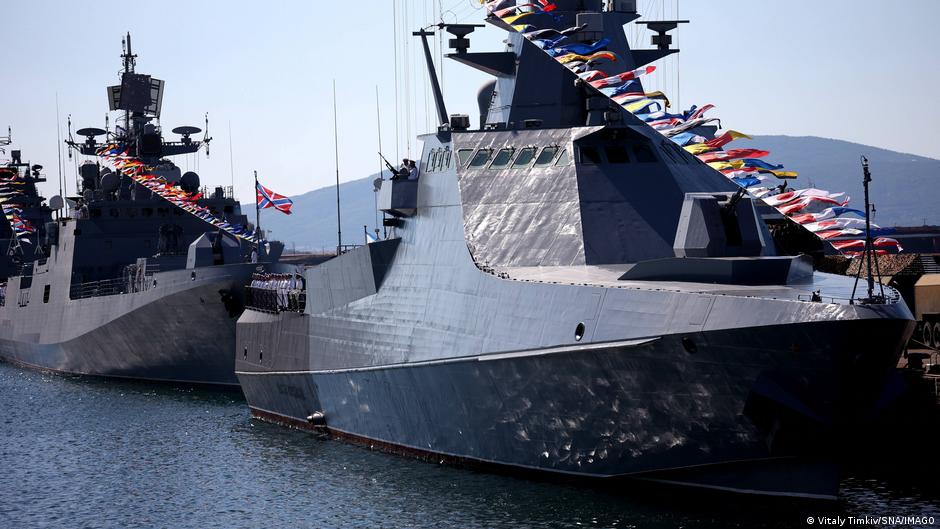
Ukraine's strike on Russian naval ships and infrastructure in Novorossiysk disrupts key grain exports and energy terminals, triggering volatility in Russian equities and bond markets.
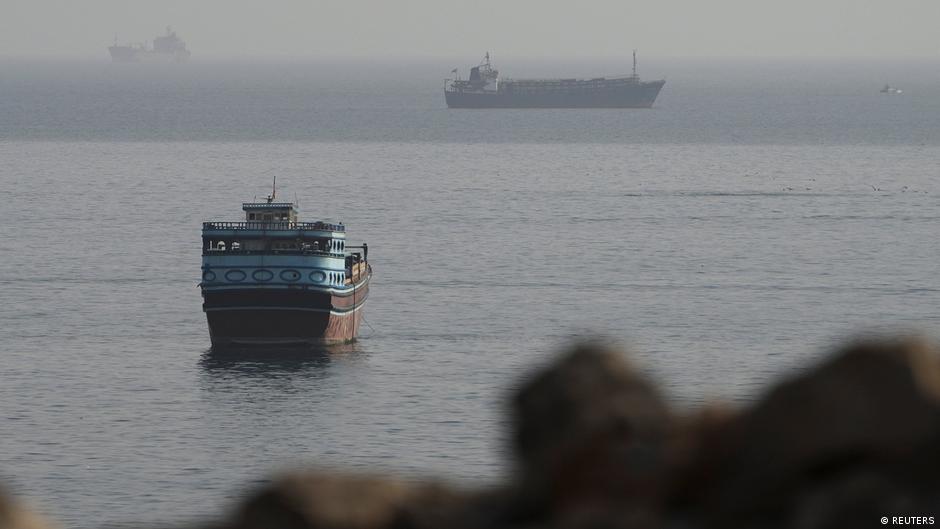
US military disabled a cargo ship attempting to breach Iran blockade in Strait of Hormuz, escalating maritime tensions and injecting volatility into energy markets and global shipping.
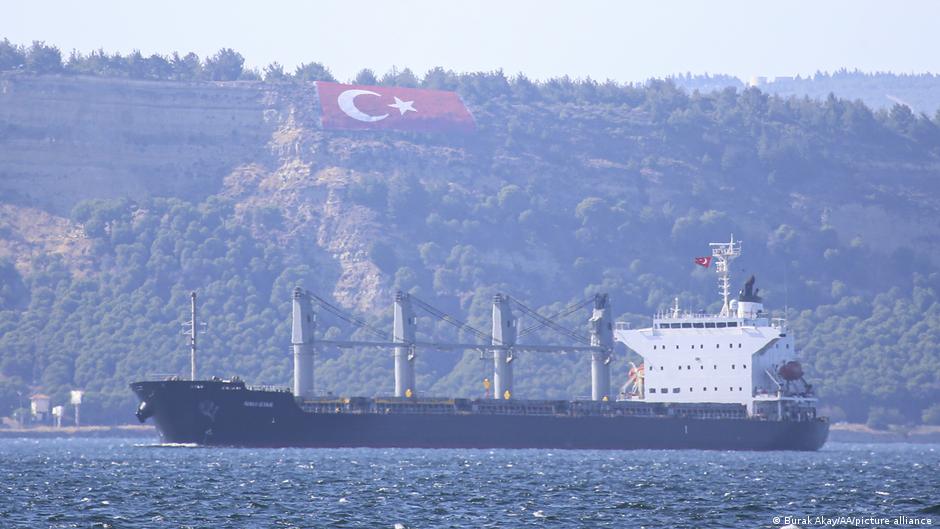
Turkey has reopened its straits to commercial shipping, easing recent restrictions that impacted Black Sea trade routes amid regional security threats.
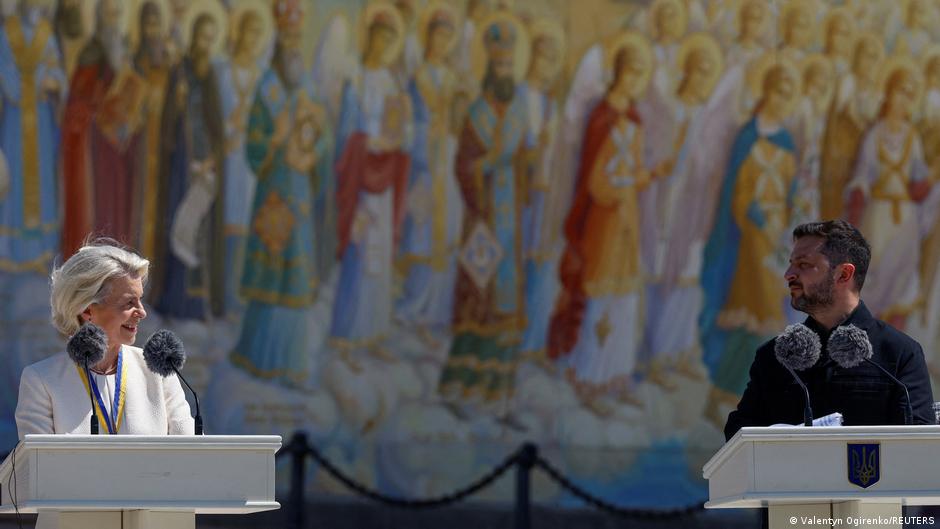
The US Senate's new sanctions against Russia targeting energy and finance sectors are welcomed by European and Ukrainian leaders, influencing markets and investor strategies.
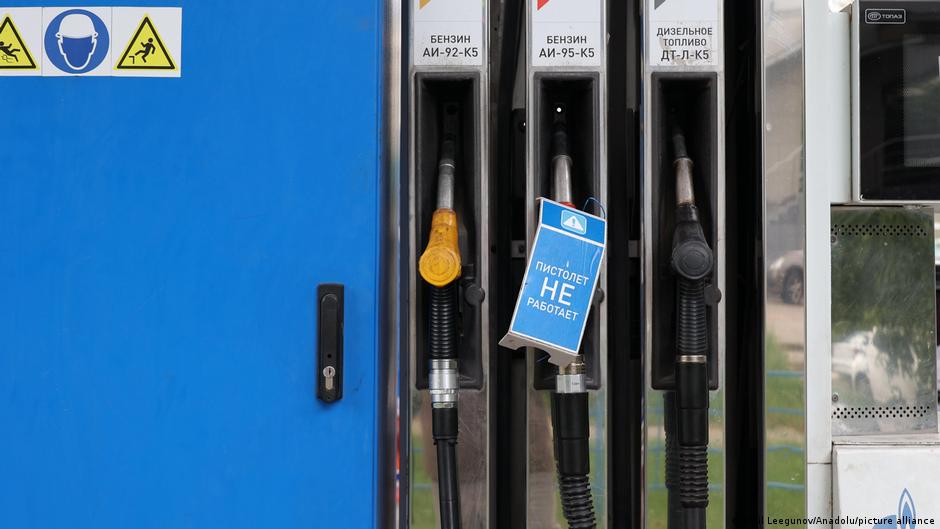
Russia extends authorization for lower-grade fuels until mid-2027 to combat production declines caused by refinery attacks, impacting energy equities and investor outlook.
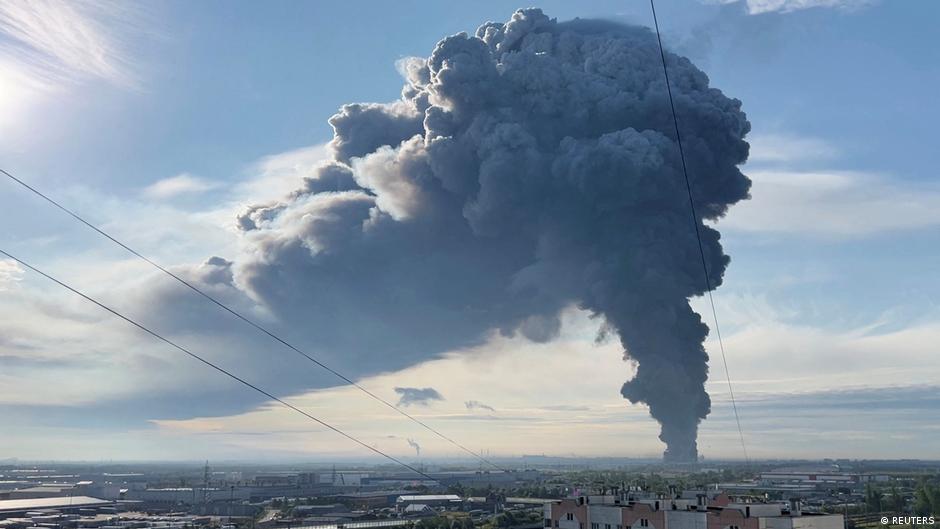
Ukraine’s 40-day operation struck over 100 Russian strategic sites, focusing on military and energy infrastructure, with implications for global energy markets and defense sectors.
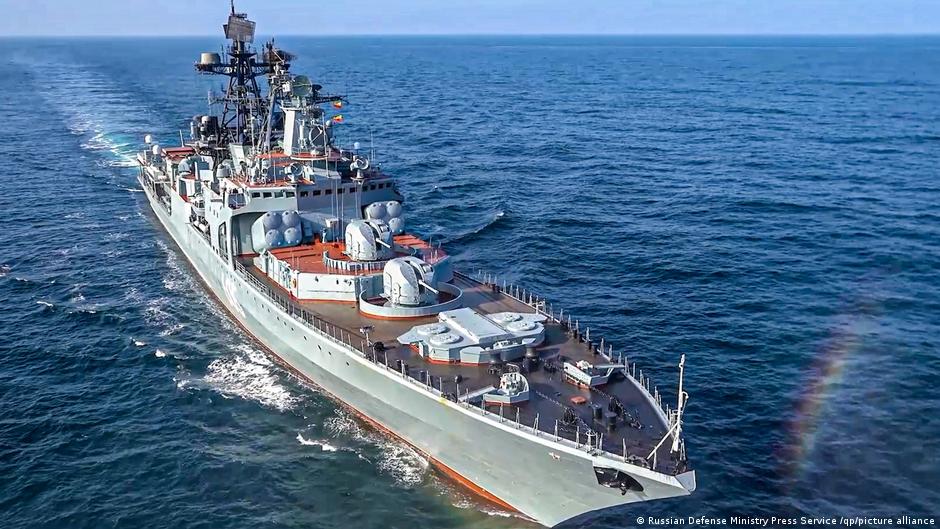
The deployment of Russia's anti-submarine ship Admiral Levchenko in the Baltic Sea near Germany signals increased maritime security efforts affecting European energy shipping routes and investor risk assessments.
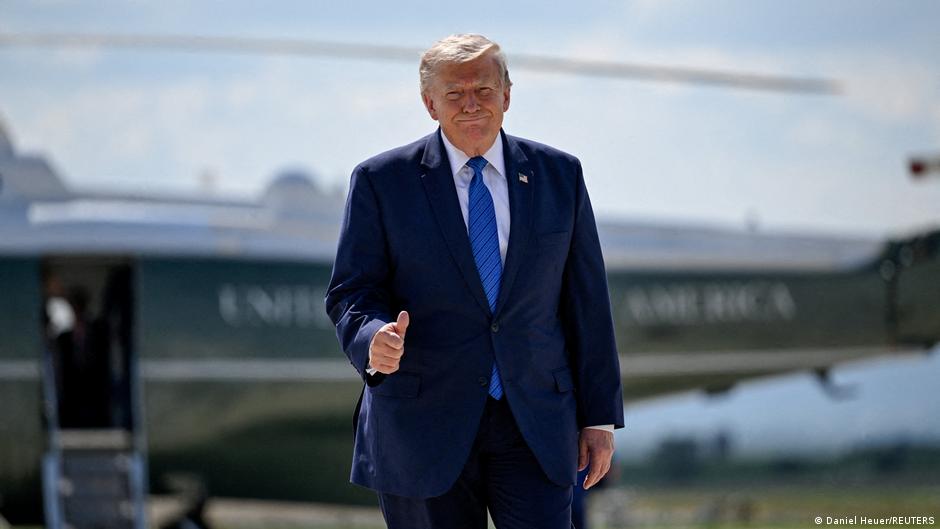
President Trump announces renewed US-Iran talks starting August 3 after delaying military strikes, impacting equity, bond, and commodity markets amid geopolitical uncertainties.
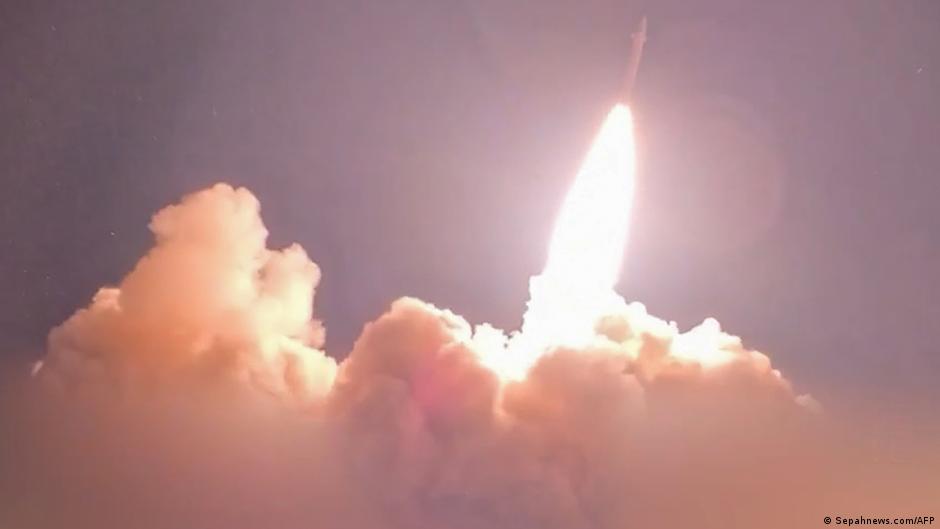
US forces intercepted ballistic missiles from Iran, heightening geopolitical risks that influence energy markets, equities, and bonds amid regional tension.
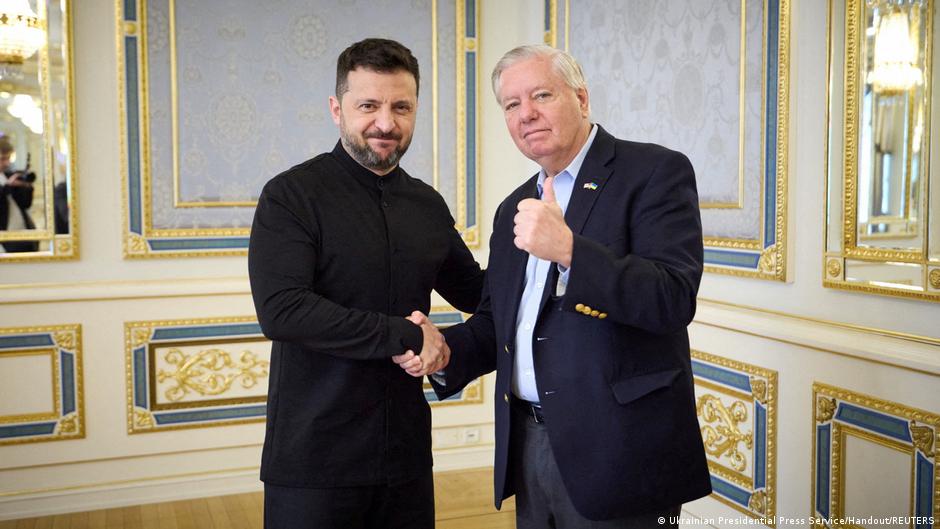
The US Senate advances legislation imposing steep tariffs on Russia, signaling increased geopolitical risks that could affect energy markets and investor portfolios.
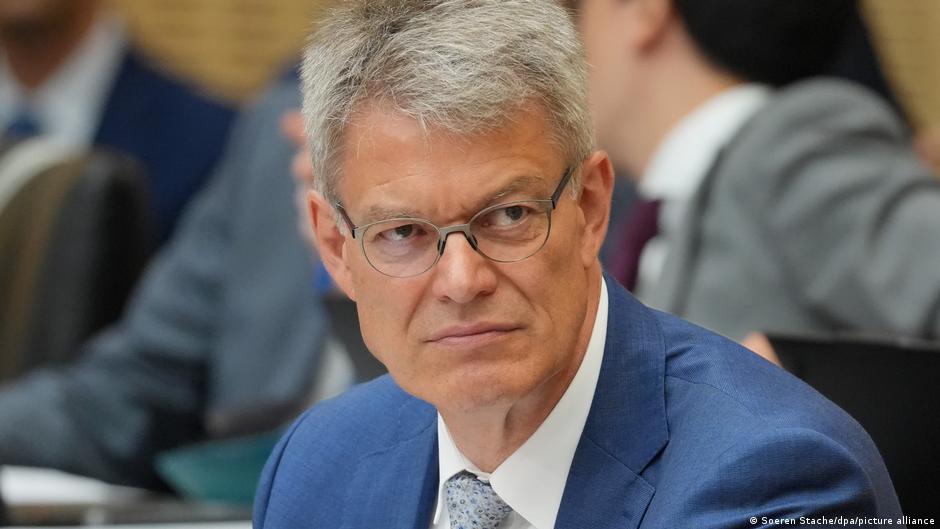
German Transport Minister Patrick Schnieder resigns amid political tensions, triggering leadership changes that introduce uncertainty for transport-related equities and bonds.
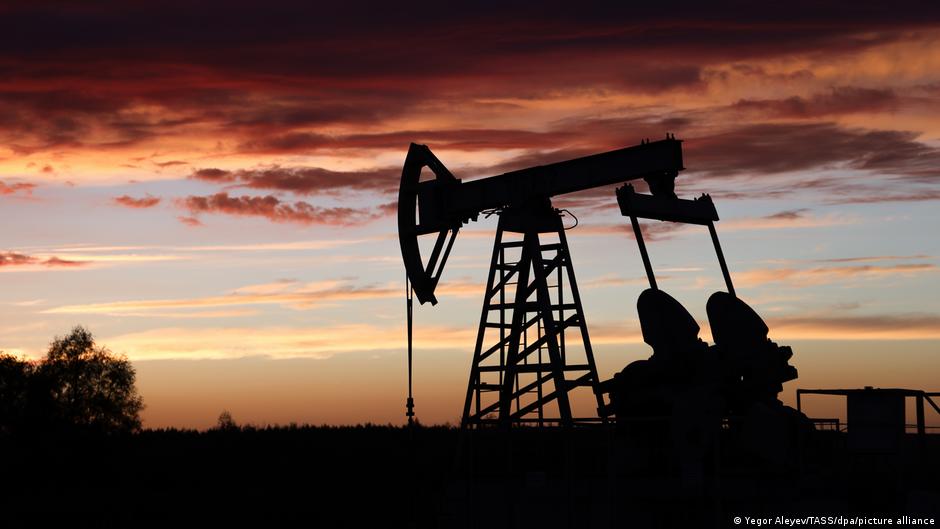
Russia’s July oil and gas revenues may rise 60% year-on-year due to higher global prices, partially offsetting earlier declines and influencing market sentiment amid sanctions.
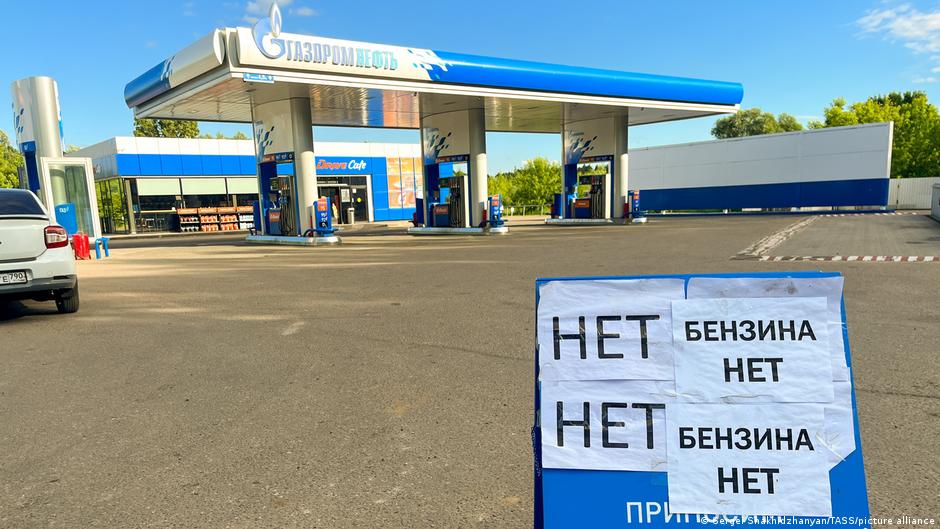
Russian oil product output plunged nearly 22% year-on-year in June, pressured by infrastructure attacks and fueling market uncertainty for investors.
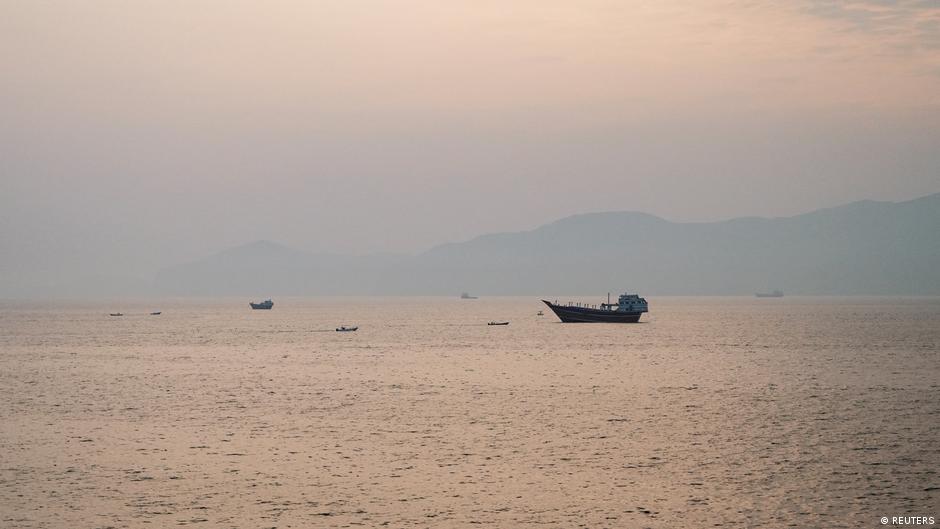
Iran’s IRGC mined an oil tanker in the Strait of Hormuz, raising regional tensions and impacting energy markets and shipping risks for investors.
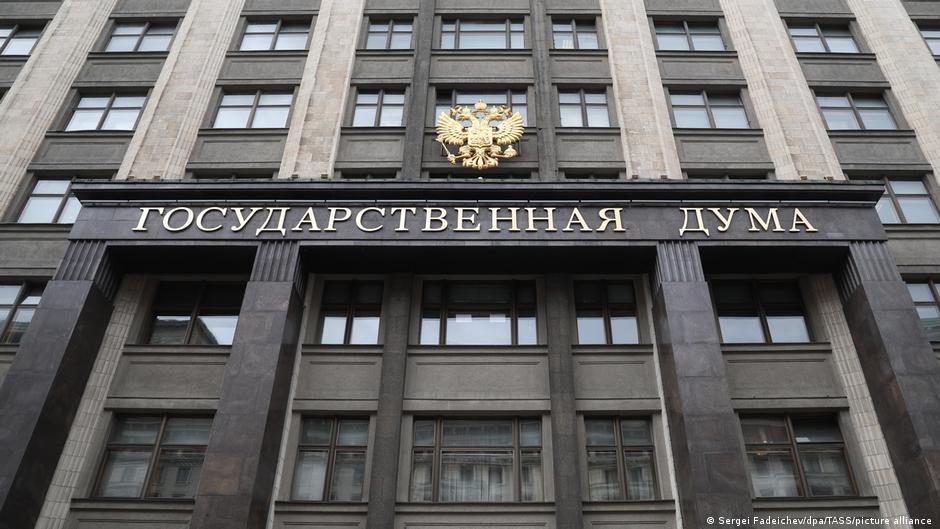
Russia’s parliament amended fuel market regulations to stabilize prices by expanding compensation schemes and adjusting import rules, impacting energy sector investments.
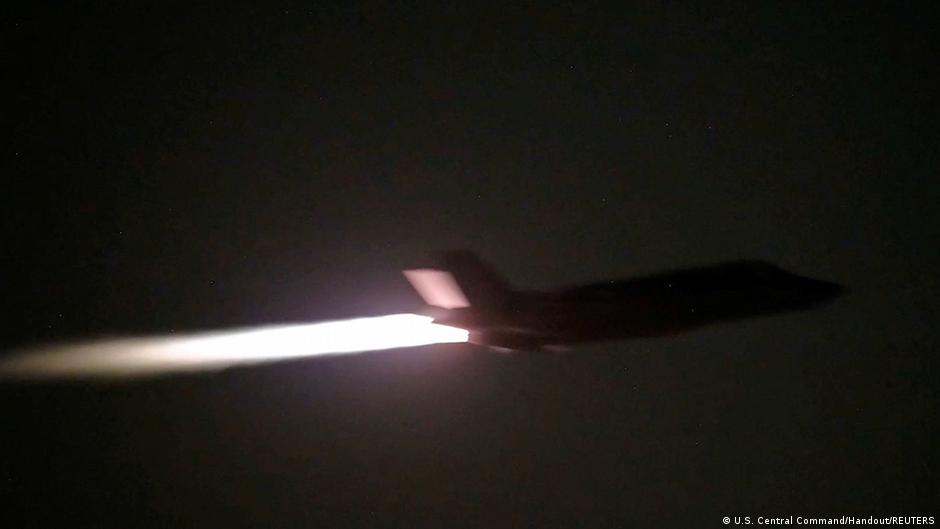
US forces conducted airstrikes on Iran for the 11th night amid escalating regional conflict, affecting energy supply routes and increasing market uncertainty for investors.
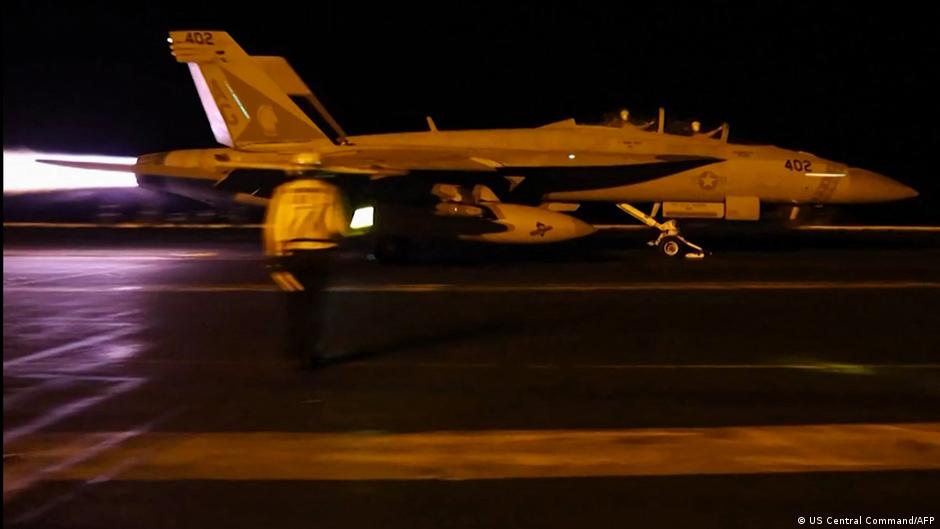
US military strikes against Iran enter tenth day, heightening risks for energy markets and global investors amid escalating Middle East tensions.
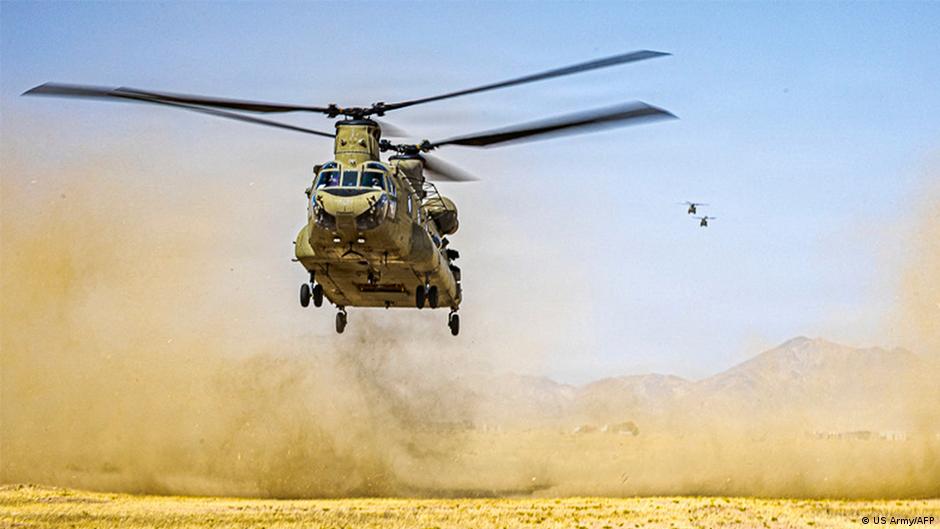
US military deaths in the Iran conflict have increased to 17, prompting heightened market volatility and impacting energy, defense equities, and bond markets amid rising geopolitical risks.
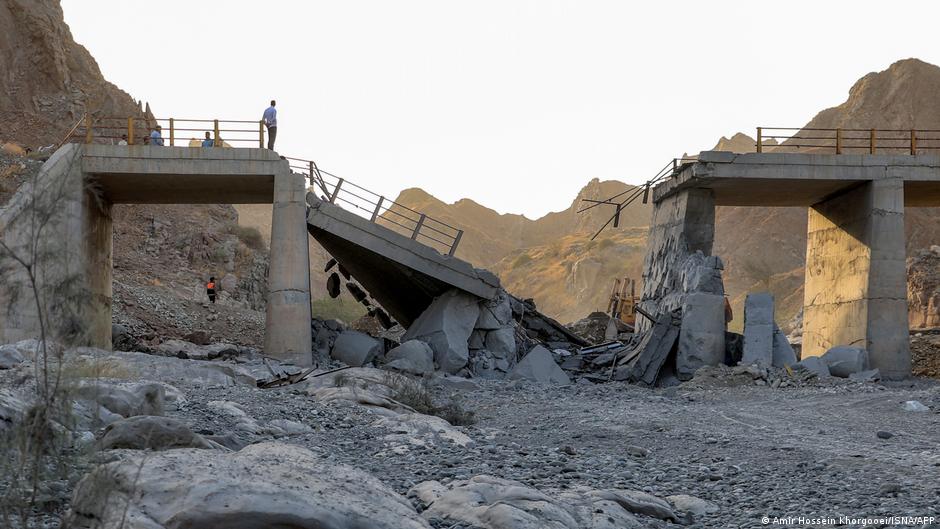
US and Iran military clashes near the Strait of Hormuz are disrupting oil shipping and increasing market uncertainty, affecting energy prices and investor risk sentiment worldwide.
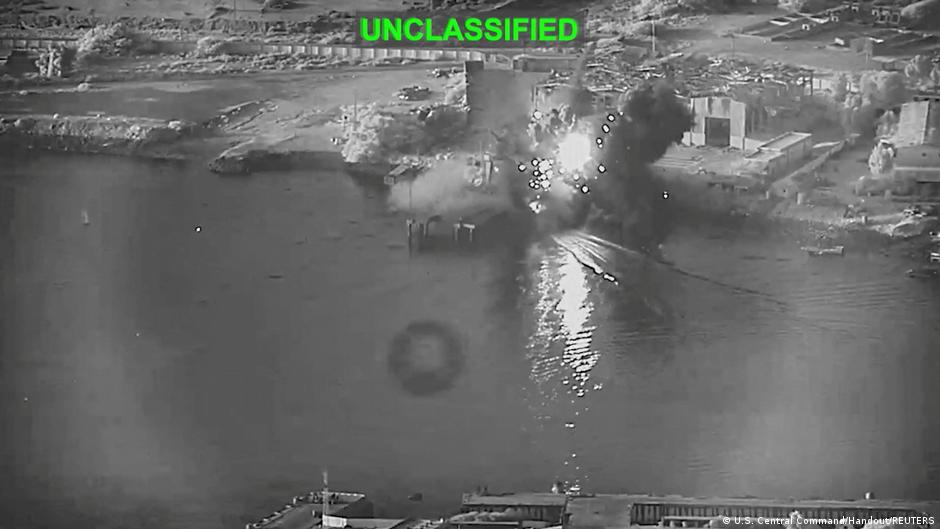
US strikes on Iranian infrastructure escalate geopolitical risks, causing volatility in regional equities and bonds, with implications for global investors.
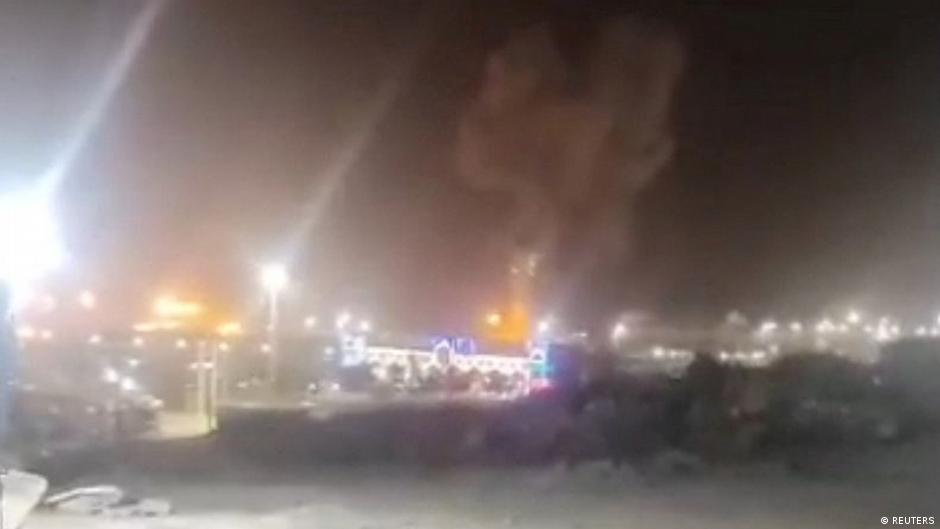
US airstrikes on Iranian targets and Tehran’s retaliatory attacks escalate Middle East tensions, driving volatility in oil markets, equities, and bonds.
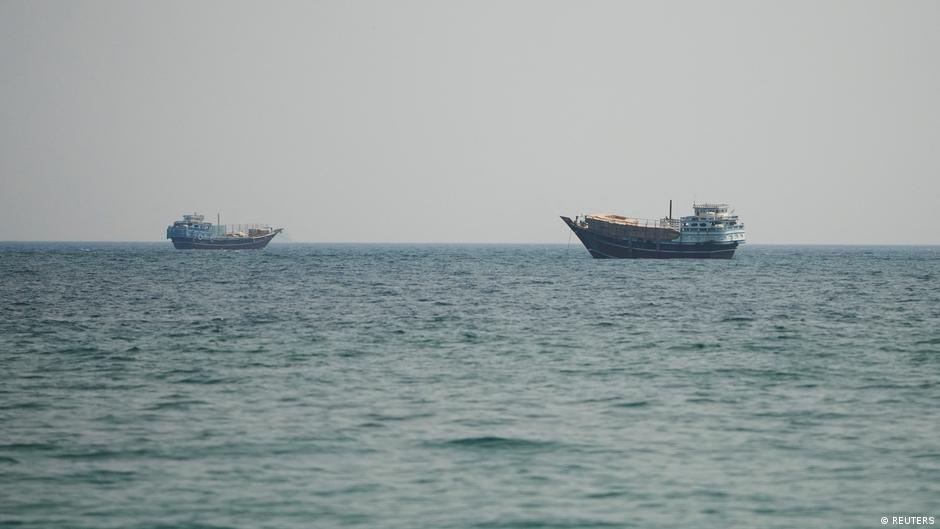
The US is advancing plans to revive an Iraq-Syria oil pipeline to bypass the Strait of Hormuz, aiming to reduce Iran’s influence and alter energy market dynamics.
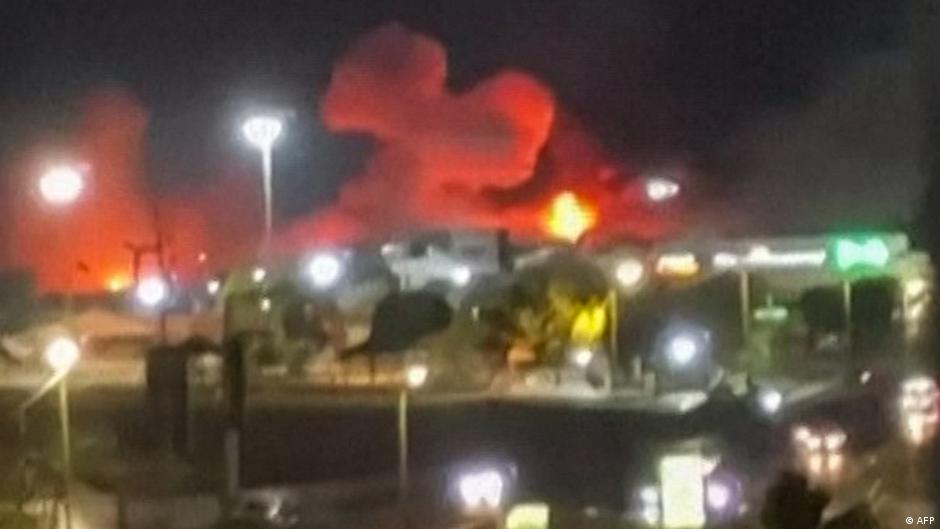
US strikes on Iran near the Strait of Hormuz escalate tensions, impacting oil shipping routes and increasing risks for energy markets and investors globally.
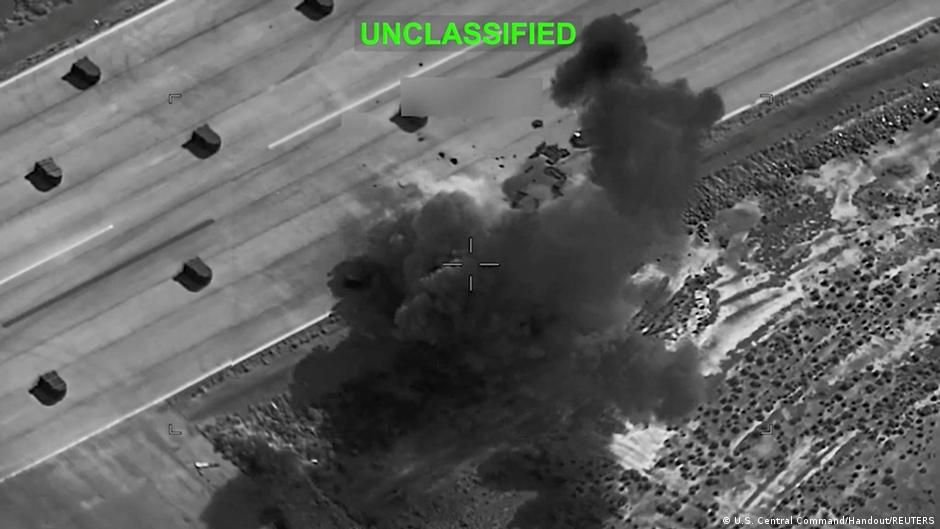
US military strikes against Iran following attacks on commercial vessels have led to the closure of the Strait of Hormuz, impacting global oil supply and increasing market volatility.

The murder of UK politician Anne Widdecombe unsettles markets as concerns rise over political stability and its impact on investor confidence.
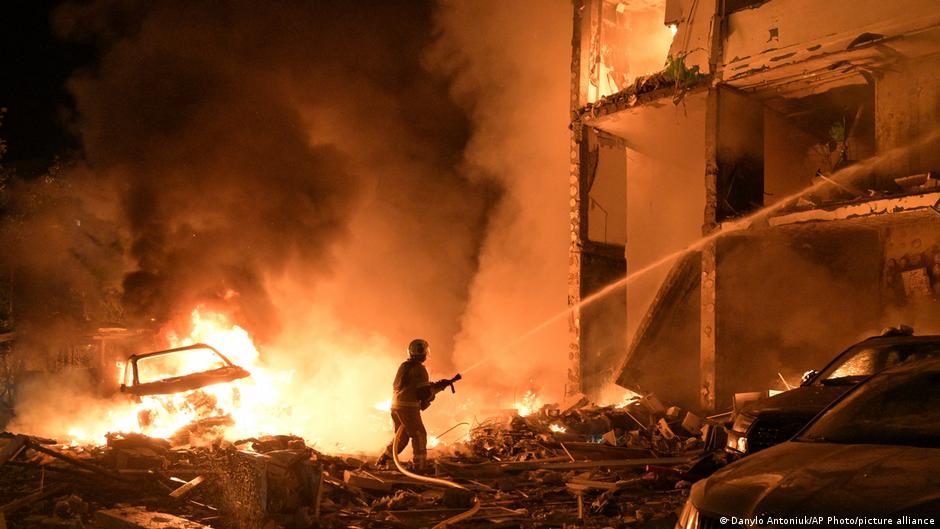
Renewed Russian ballistic missile attacks on Kyiv raise geopolitical risks, impacting Ukrainian equities and bonds amid rising civilian casualties and infrastructure damage.
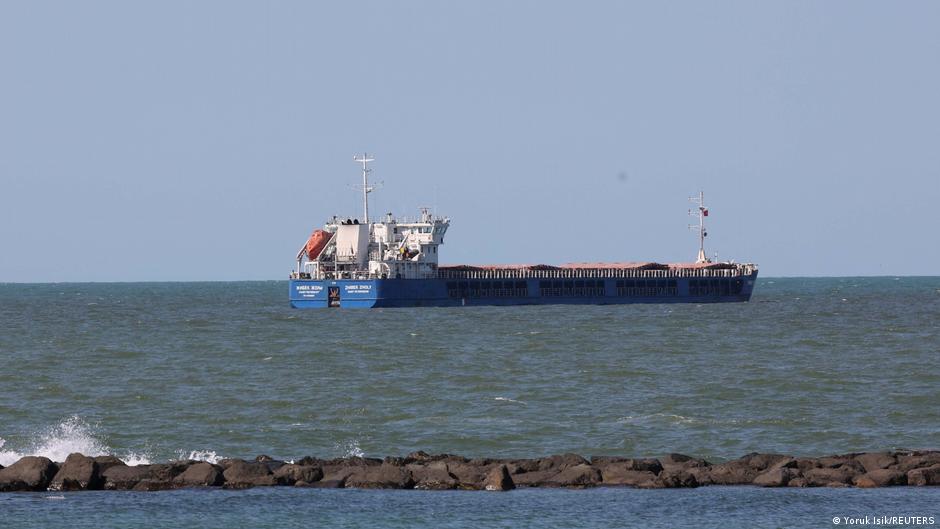
Russia's indefinite closure of the Azov-Don Canal after Ukrainian drone attacks disrupts grain exports and triggers a surge in wheat prices, signaling heightened market volatility.
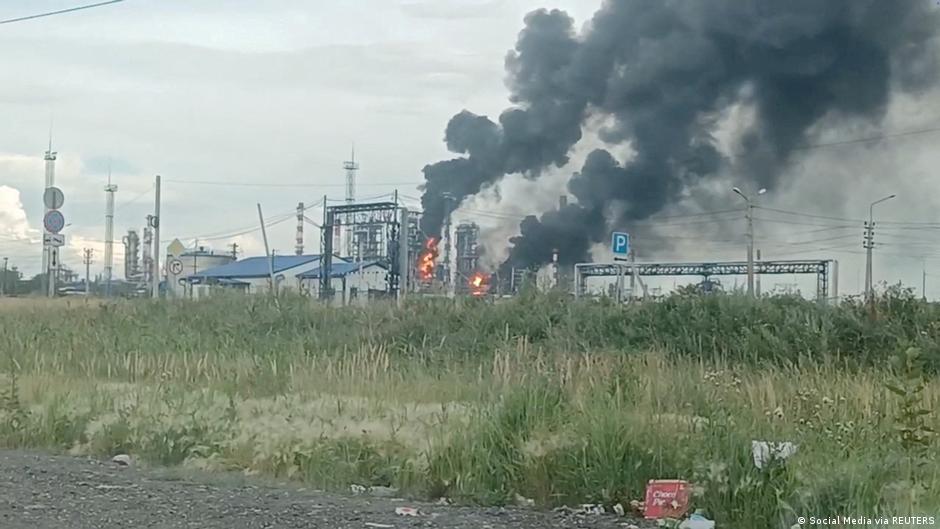
Ukrainian drone strikes have forced the Saratov refinery to halt operations, cutting refining capacity and exacerbating fuel shortages in Russia's energy market.
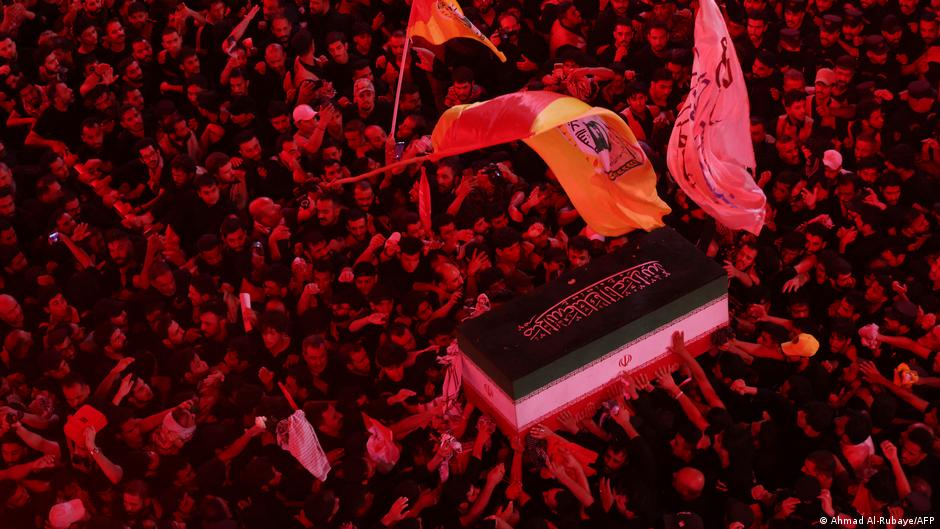
Iran’s mourning of Ayatollah Khamenei amid leadership uncertainty and renewed regional conflict raises geopolitical risks, impacting markets and investor confidence.
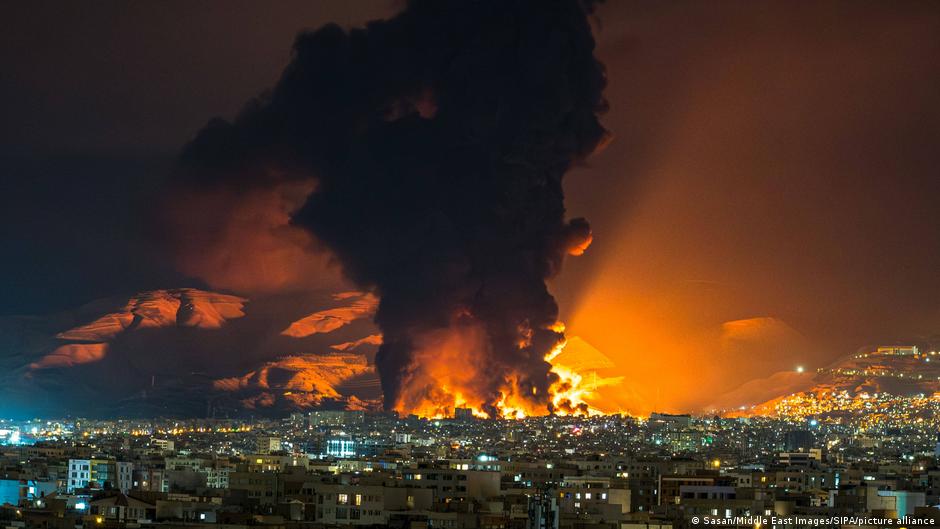
US military strikes on Iran escalate tensions, impacting oil supply routes and causing volatility in energy markets and investor sentiment.
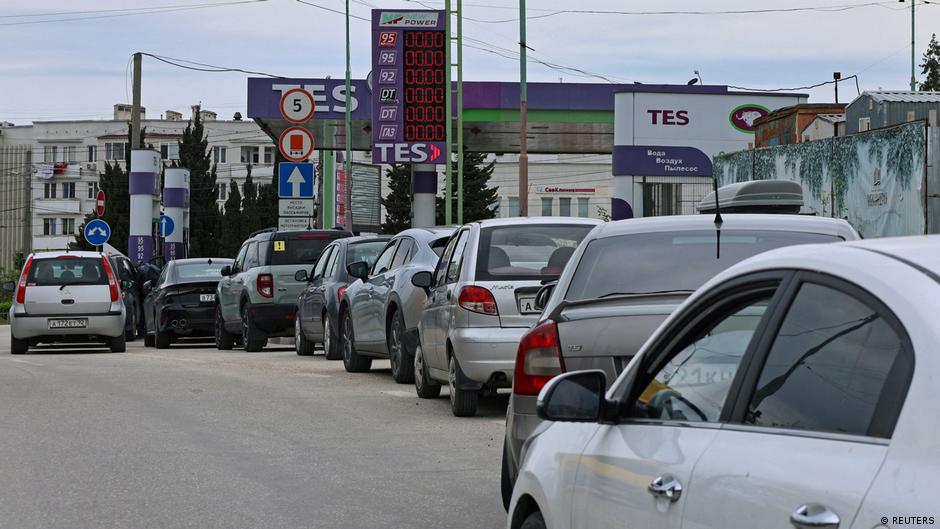
Gasoline prices in Crimea have surged nearly 80% in a week amid Russia's export restrictions and supply shortages, signaling increased market volatility for energy investors.
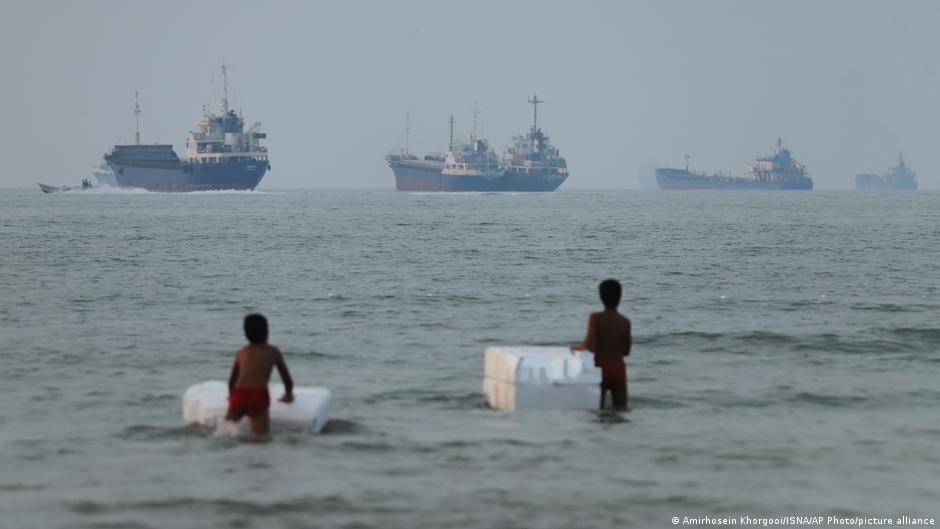
US military strikes on Iran after attacks on tankers escalate Middle East tensions, triggering volatility in energy markets and impacting investor risk sentiment globally.

Cuba’s nationwide blackout amid US sanctions and fuel shortages intensifies economic instability, affecting regional market dynamics and investor risk assessments.
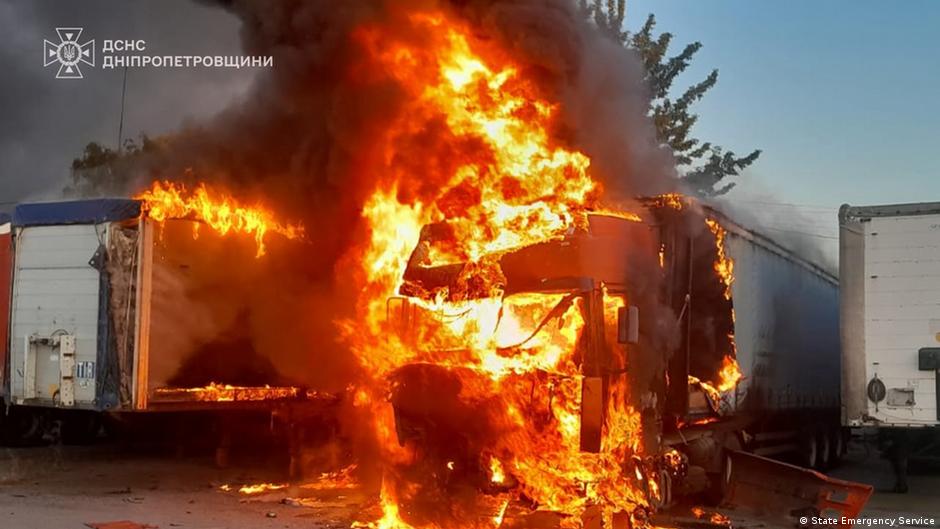
Russian strikes across multiple Ukrainian regions cause civilian casualties and infrastructure damage, posing risks to investor confidence and regional market stability.
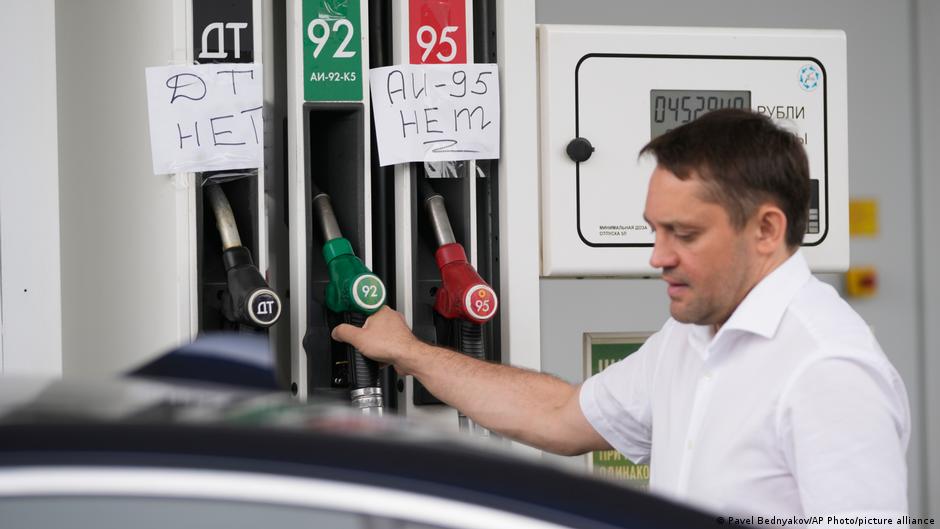
Russia permits Euro-3 fuel circulation until 2026 to mitigate refinery disruptions, impacting energy markets with lower fuel quality and constrained supply.
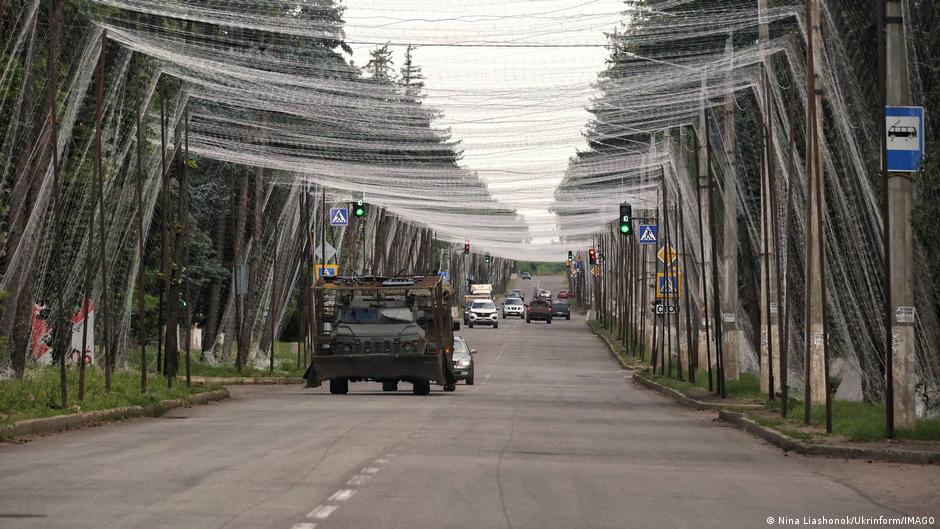
Russian drone and missile strikes on Ukraine fell significantly in June, raising cautious optimism but sustained uncertainty for investors amid ongoing conflict dynamics.