Serbia Announces Early Parliamentary Elections for October 2023 Amid Political Unrest
President Aleksandar Vučić confirms snap elections in October following widespread protests and calls for political renewal.
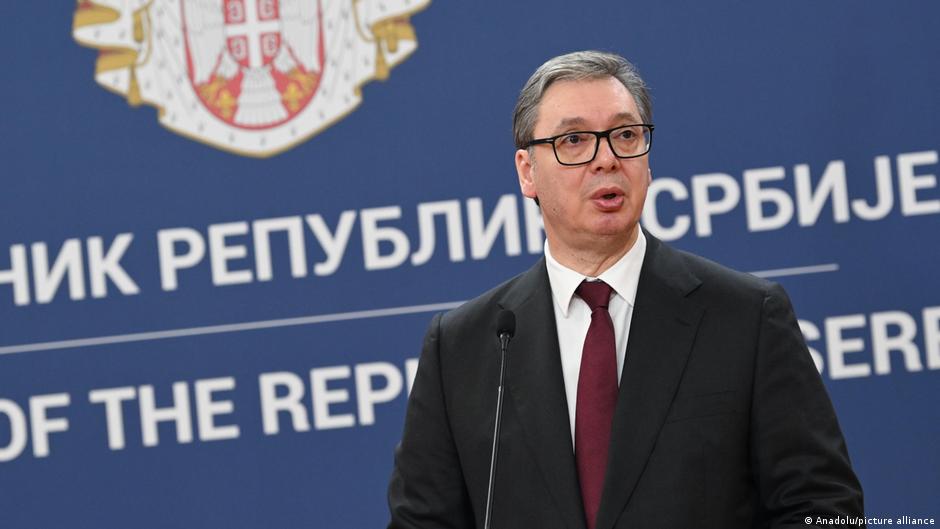
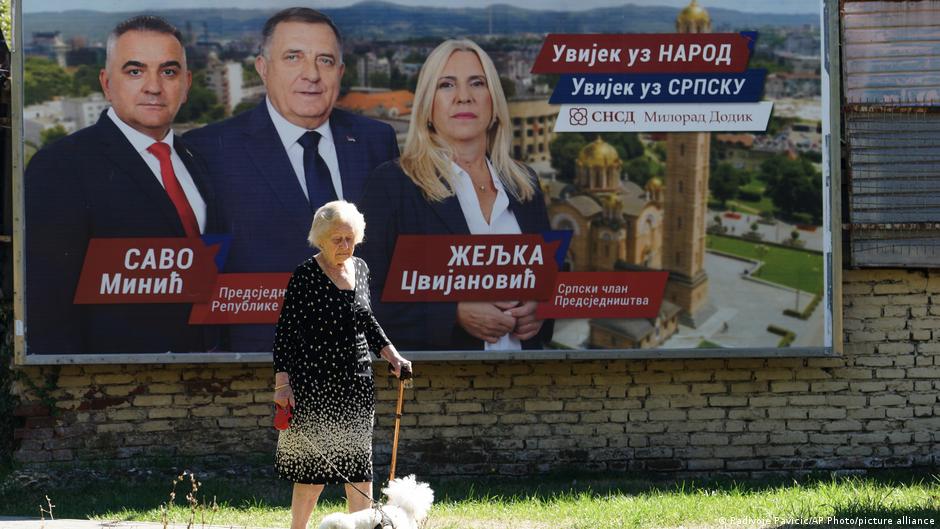
Serbia is set to hold early parliamentary elections in October 2023, President Aleksandar Vučić announced on August 20. The vote, scheduled for either October 18 or 25, comes more than a year ahead of the regular electoral calendar and signals a significant political shift amid growing public discontent.
Vučić’s declaration on the state-run RTS television channel marks a decisive response to prolonged nationwide protests that have challenged his administration's legitimacy. The exact date for the elections is expected to be confirmed in the coming days.
Market Implications of Serbia’s Snap Elections
From a capital markets perspective, the announcement introduces a degree of political uncertainty that could impact Serbia’s equities and bond markets. Early elections often lead to volatility as investors recalibrate risks around policy continuity, governance quality, and economic stability.
Serbia’s political landscape has been under strain following multiple protests over the past 18 months, triggered notably by a tragic accident at a railway station in Novi Sad that claimed 16 lives. Protesters have also raised serious concerns about corruption, rule of law, and press freedom under Vučić’s long tenure.
"About 80% of Serbians support the anti-corruption demands, underscoring a public appetite for institutional change," analysts note.
The protests and governmental instability could weigh on investor confidence, especially in government bonds, as perceived credit risk may rise if political turmoil affects fiscal policies or external relations.
Equity markets may also experience sell-offs or increased volatility if investors fear policy disruptions or a shift away from reforms that have previously attracted foreign direct investment. On the other hand, a transparent and credible electoral process could restore confidence and stabilize markets over the medium term.
Vučić, who has been a dominant figure in Serbian politics for over a decade, had earlier indicated intentions to resign before his presidential term ends in 2027. The constitutional two-term limit for the presidency frames this political transition, adding another layer of complexity for market watchers.
Overall, investors should closely monitor developments in the electoral timeline and opposition responses, as the outcome may redefine Serbia’s political and economic trajectory. Market participants may consider adjusting portfolio exposures to Serbian assets accordingly, factoring in near-term volatility and longer-term reform prospects.