German Transport Minister Patrick Schnieder Resigns Amid Government Shakeup
The resignation of Germany’s transport minister triggers swift leadership changes, impacting market confidence and infrastructure policy outlook.
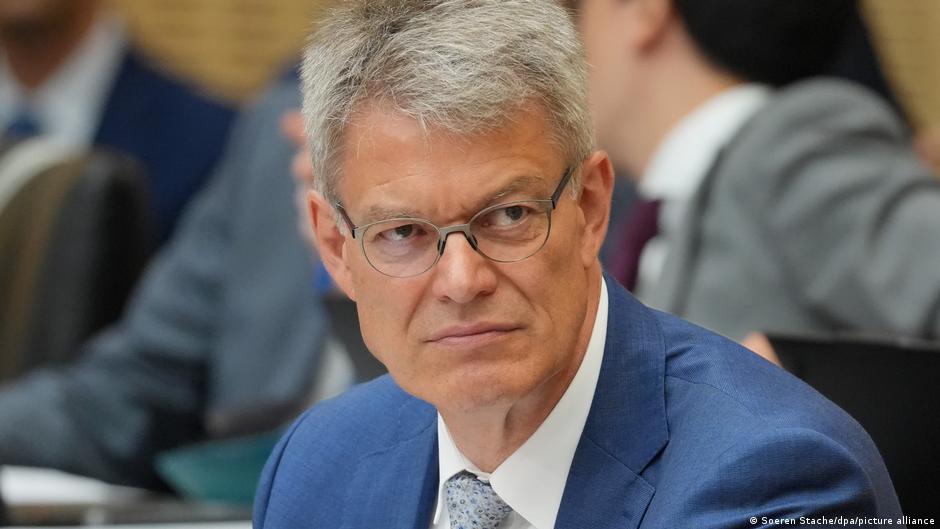
Patrick Schnieder, Germany's Federal Minister of Transport, has announced his resignation amid growing political tensions within Chancellor Friedrich Merz's administration. Schnieder stated on July 26 that he would formally request to be relieved of his duties, citing recent events that have created an untenable working environment. This unexpected development comes at a critical juncture for Germany's transport sector, particularly concerning strategic decisions regarding Deutsche Bahn, the national railway company.
Market Implications of the Ministerial Change
Chancellor Friedrich Merz plans to nominate Steffen Bilger, parliamentary secretary for the CDU/CSU faction, as Schnieder's successor. This rapid appointment reflects an urgent need to restore stability and ensure continuity in transport policies.
"It is in the nation's interest that the successor issue is resolved swiftly and decisively," Schnieder remarked, highlighting the urgency due to pending far-reaching decisions within the transport ministry.
The political upheaval has stirred unease within the Christian Democratic Union (CDU), as reports suggest dissatisfaction with Merz's handling of Schnieder's dismissal. The turmoil follows a cascade of resignations initiated by the departure of another CDU leader, Jens Spahn, signaling potential volatility within the ruling party.
From a capital markets perspective, this ministerial turnover introduces uncertainty surrounding Germany's infrastructure policies. Investors in equities linked to German transport and infrastructure sectors, including Deutsche Bahn and associated contractors, may view the leadership change with caution. The timing is critical, given ongoing debates about investment, modernization, and regulatory frameworks affecting the transport industry’s long-term growth.
Bond markets could also react to this political instability, as government-backed infrastructure projects often rely on stable policy environments. Any delay or ambiguity in transport sector decisions might influence yields on German public and corporate bonds related to infrastructure financing.
Moreover, the failed appointment of Fritz Güntzler, who withdrew his acceptance shortly after being considered for the role, adds a layer of uncertainty. Such developments can dampen investor confidence, as leadership consistency in key ministries is vital for maintaining predictable policy trajectories.
Market participants will closely monitor how swiftly the government stabilizes the transport ministry leadership and clarifies its strategic direction, particularly regarding Deutsche Bahn’s restructuring and investment plans. The capacity of Steffen Bilger to command support within the CDU/CSU and across the Bundestag will be critical in reassuring investors and maintaining positive market sentiment.
In sum, while the political reshuffle signals internal challenges for Chancellor Merz's government, the transport ministry’s leadership transition is pivotal for both Germany's infrastructure outlook and the broader capital markets. Investors are advised to remain attentive to further announcements and policy signals emanating from Berlin.