Zelenskyy Flight Delay in Moldova Adds Fresh Geopolitical Risk for Markets
Norway’s prime minister said a drone threat delayed the Ukrainian president’s flight, underscoring security risks facing investors.
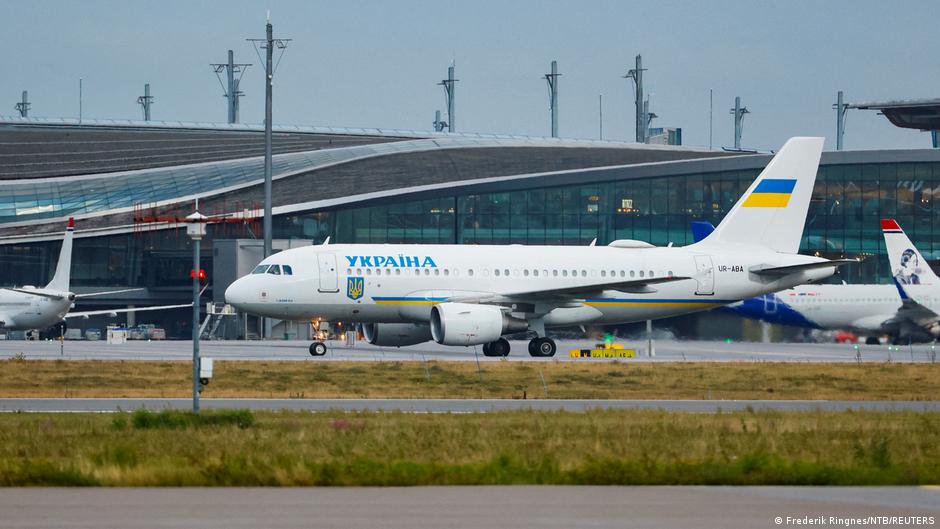
A reported drone threat near the departure of Ukrainian President Volodymyr Zelenskyy’s aircraft from Moldova has added another geopolitical signal for investors already tracking the war’s effect on European risk assets, defense shares, energy markets and sovereign bonds.
Norwegian Prime Minister Jonas Gahr Store said on Wednesday, September 9, that Zelenskyy’s plane had narrowly avoided a collision with a drone while preparing to leave Moldova for Oslo. Zelenskyy’s office has not commented on the incident.
“His plane almost collided with a drone when it was supposed to take off from Moldova. This is the reality he is in,” Store said.
The Norwegian leader did not say where he obtained the information. His comments also left unclear whether the episode was an accident or a deliberate attempt to target Zelenskyy.
Store’s office later clarified the statement, saying there had been a drone threat in Moldovan airspace the previous day that delayed Zelenskyy’s plane on its way to Oslo. The office added that such threats were part of the daily risks faced by the Ukrainian president, but said it was unknown how close the drones had been to his aircraft.
Investors Weigh Airspace Risk and Regional Spillover
For capital markets, the incident is less about a single delayed flight than about the persistence of security risk around the Black Sea region and the war’s ability to spill into neighboring countries. Moldova, which borders Ukraine, has repeatedly drawn investor attention because of its proximity to conflict zones and its strategic importance between Ukraine and the European Union.
A senior Ukrainian official told DW that while the Ukrainian president’s plane was waiting to depart from Chisinau, a Russian jet-powered drone entered Moldovan airspace. Zelenskyy’s departure was subsequently postponed, and other flights were suspended.
Such disruptions matter to markets because they reinforce the risk premium attached to Eastern European assets. Investors in European equities and debt are sensitive to any event that suggests a widening operational theater, a higher probability of airspace closures, or increased pressure on governments to raise security spending. Defense contractors, energy infrastructure operators and transport-linked companies can all be affected by shifts in perceived geopolitical risk.
European bond markets may also respond to these types of developments through changes in safe-haven demand and expectations for fiscal policy. A prolonged or expanding security threat can support demand for higher-rated sovereign debt while increasing scrutiny of borrowing needs in countries expected to spend more on defense, border security or refugee support.
Zelenskyy arrived in Oslo from Moldova on the evening of September 8 to attend the funeral of King Harald V. After the ceremony, the Ukrainian president met with Jonas Gahr Store. The official Norwegian government statement on their talks did not mention the drone incident.
Moldova Reports Downed Drone
Moldovan police said on September 9 that they had found a fallen drone equipped with a power unit. Police said an explosion occurred when it hit the ground, creating a large crater. The drone contained damaging elements in the form of metal balls. No casualties were reported.
The report came as local regional military authorities said Russian drones attacked the Starokozache international road checkpoint in Ukraine’s Odesa region overnight on September 9, near the Moldovan border. NRK noted that the airport from which Zelenskyy flew to Oslo is roughly a two-hour drive from that border crossing.
For equity investors, the broader message is that geopolitical headlines tied to Ukraine remain capable of moving sentiment quickly, particularly in sectors exposed to defense, aviation, insurance, commodities and infrastructure. Airlines and insurers tend to be especially sensitive to airspace risk, while defense stocks can draw renewed attention when drone activity highlights demand for air defense, surveillance and counter-drone systems.
Energy markets may also remain alert to any indication that the conflict is affecting border infrastructure, logistics routes or regional security planning. Although the reported Moldovan episode did not include claims of damage to energy assets, the proximity of drone activity to cross-border routes is the type of development that can feed volatility in European risk pricing.
The lack of detailed official confirmation from Zelenskyy’s office leaves investors with incomplete information. Store’s initial remarks described a near collision, while his office later framed the event as a drone threat that delayed the flight and said the distance between the drones and the aircraft was unknown. That distinction matters for markets, because the difference between a direct near miss and a broader airspace warning could affect assessments of escalation risk.
Still, the incident underscores the same issue that has shaped market behavior throughout the war: geopolitical risk remains difficult to price cleanly. Investors may treat the latest reports as another reason to monitor Eastern European exposure, defense procurement trends and safe-haven flows, even in the absence of a confirmed attack on Zelenskyy’s aircraft.