Novorossiysk Drone Attack Puts Russian Port Risk Back in Market Focus
A reported fire at a fuel oil terminal and a residential building renews investor attention on Russia-linked export flows.
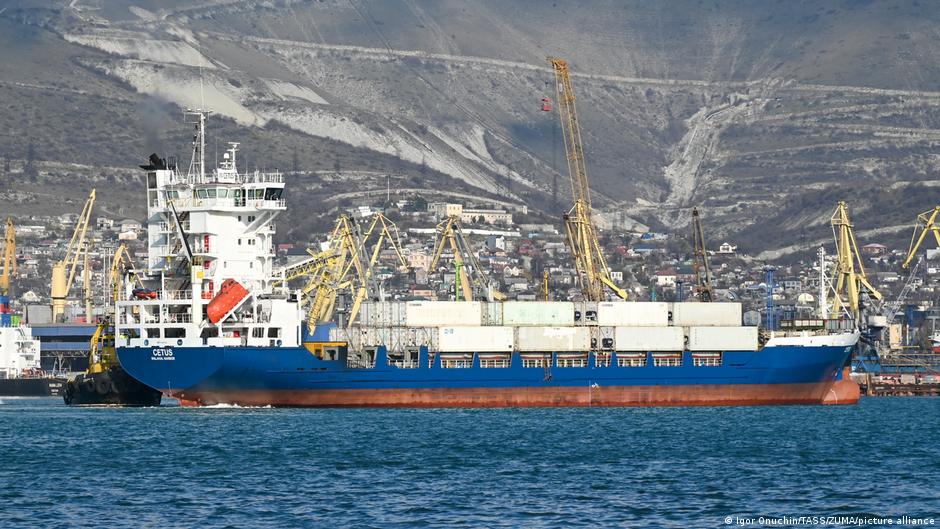
A drone attack on Novorossiysk overnight into Wednesday, September 9, triggered a major fire and brought renewed market attention to one of Russia’s most important export gateways, according to reports cited in the Russian-language source article.
Based on OSINT analysis by ASTRA, a fuel oil terminal was burning after strikes on the city. ASTRA also reported a fire in a residential apartment building on Volgogradskaya Street. Novorossiysk Mayor Andrei Kravchenko said on Telegram that the city had been attacked using unmanned aerial vehicles.
For investors, the immediate significance lies less in confirmed damage estimates, which were not provided, and more in the location. Novorossiysk is described as one of the largest ports in Europe and a key hub for Russia’s foreign trade. Oil, metals, container cargoes and grain move through the port to global markets, making any operational disruption relevant for commodity-linked equities, shipping exposure, inflation-sensitive assets and bonds tied to broader geopolitical risk.
According to the mayor, drone debris was reported on the grounds of enterprises and near a residential building, with no casualties known according to preliminary information.
Emergency services were working to deal with the consequences of the attack, the mayor said. The source article did not provide an official assessment of port operations, export schedules, insured losses or the duration of the fire. That leaves markets to interpret the event through the prism of risk rather than hard operational data.
Why Novorossiysk Matters to Markets
Novorossiysk is not an ordinary regional port in market terms. The source article describes it as part of the largest port in Russia and one of the leading enterprises of the Novorossiysk transport hub. It also says that up to one third of all Russian grain exports pass through Novorossiysk, helped by the port’s proximity to Russia’s main agricultural regions.
That matters for investors because port disruptions can translate quickly into price sensitivity across several markets. Grain traders watch the Black Sea export corridor closely because delays or perceived risks to supply can affect benchmark expectations for agricultural flows. Energy investors monitor port infrastructure because terminals linked to oil and fuel products are part of the physical chain behind export revenues and refined-product availability. Metals and container cargoes add another layer for companies and investors exposed to Russian trade logistics.
The reported fire at a fuel oil terminal, if it affects handling capacity or prompts precautionary restrictions, could become relevant for traders assessing near-term export reliability. The source article does not state whether shipments were halted after the attack. Still, for capital markets, the fact pattern is enough to raise questions about operational resilience, insurance costs, freight risk premiums and the probability of further disruption.
The residential fire reported by ASTRA also broadens the political and security dimension of the incident. While financial markets often focus on export infrastructure, attacks near residential areas can influence the response of local authorities and the pace of security restrictions around transport assets. The mayor said debris from drones had fallen on enterprise territory and near a residential building, and preliminary information indicated there were no casualties.
Investor Read-Through for Equities and Bonds
For equities, the first-order read-through is most relevant for companies connected to energy logistics, grain flows, shipping services, insurers and commodity trading. Publicly traded firms with exposure to Black Sea trade routes may face renewed scrutiny over disruption risk, even when direct exposure is limited or difficult to verify from public information.
Energy-related names can be sensitive to any sign that export infrastructure is becoming less predictable. A reported fire at a fuel oil terminal does not automatically imply a sustained supply shock, but it does affect the risk narrative around physical flows. Investors typically distinguish between confirmed capacity loss and risk-premium events. This incident, as described in the source, falls into the latter category unless further operational details emerge.
Agricultural markets may also react to the broader context. The source article notes that earlier, in August, intensified strikes on Novorossiysk caused noticeable disruptions in oil and grain shipments. That prior disruption gives the latest incident market relevance even before fresh shipment data are available. Investors are likely to watch whether the new attack leads to delays similar to those reported in August.
In fixed income, the implications are more indirect. Events that reinforce geopolitical and infrastructure risk can influence demand for safer assets, energy inflation expectations and the pricing of risk in emerging-market debt. The article does not provide details on bond market moves, but the mechanism is clear for investors: repeated attacks on major export infrastructure can raise perceived macro risk and complicate assumptions about trade revenue, commodity supply and inflation pass-through.
Russian-linked assets already trade under extraordinary constraints in many international portfolios. For global investors, the more actionable channel may be through commodity prices, shipping costs and companies with regional exposure rather than direct Russian securities. A disruption at a major port can affect expectations even when direct investment routes are closed or heavily restricted.
What Markets Need Next
The key missing information is operational. Investors will look for confirmation on whether the fuel oil terminal fire affected storage, loading, access roads, berths or scheduled cargo handling. They will also look for updates on whether grain, oil, metals or container shipments continued without interruption.
The source article says emergency services were eliminating the consequences of the attack, but it does not specify the scale of the fire, the duration of response work or the condition of the affected enterprises. It also does not identify the terminal operator by name. That makes it important for market participants to separate confirmed facts from assumptions about supply.
The confirmed elements from the article are that Novorossiysk was attacked with drones, according to the mayor; drone debris reportedly fell on enterprise territory and near a residential building; preliminary information indicated no casualties; ASTRA’s OSINT analysis reported a fuel oil terminal fire; ASTRA also reported a fire in an apartment building on Volgogradskaya Street; and earlier strikes in August caused noticeable disruptions in oil and grain shipments.
For today’s investors, the incident is another reminder that physical infrastructure risk remains a live variable in commodity pricing and portfolio exposure. Novorossiysk’s role in Russian grain, oil, metals and container exports means that even limited incidents can affect market psychology. The next trading signal will come from whether authorities, operators or market participants report actual interruptions to cargo flows.