Russia's Shadow Air Fleet in Africa Raises Concerns for Global Markets and Investors
Russia operates a covert air fleet to supply troops in Africa’s Sahel region, prompting potential sanctions that may impact related equities and bonds.
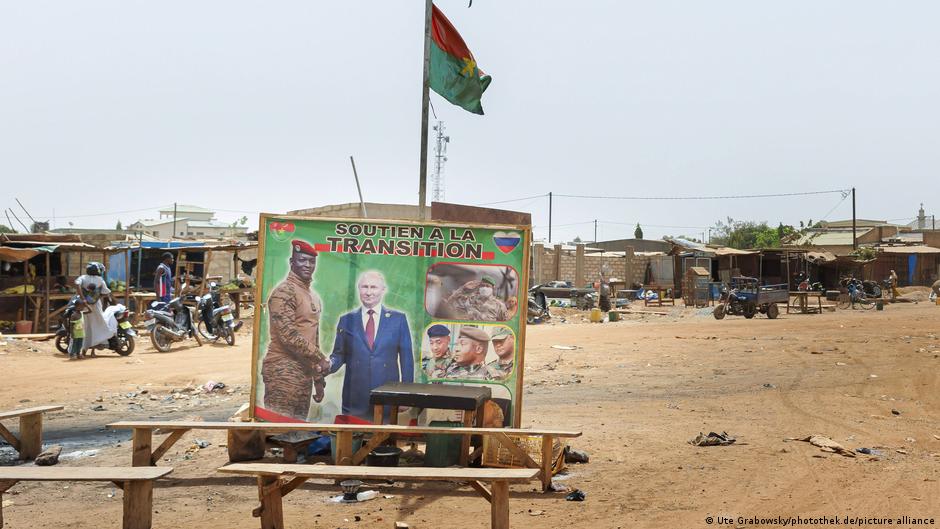
Recent investigative reports have uncovered Russia's use of a "shadow air fleet" to circumvent Western sanctions and supply its military operations in the African Sahel region. This development has broad implications for capital markets, particularly in the aviation and defense sectors, as well as investors exposed to companies potentially subject to new sanctions.
Shadow Fleet Operations and Market Implications
The Brussels-based portal Euractiv, citing the Washington D.C.–based NGO Center for Advanced Defense Studies (C4ADS), revealed that Russia has established an extensive network of military and private aircraft to sustain its forces in Mali, Burkina Faso, and Niger. From January 2025 to July 2026, at least 75 flights were conducted between Russia and these African countries. The logistical framework involves military operators, government entities, and private transport companies.
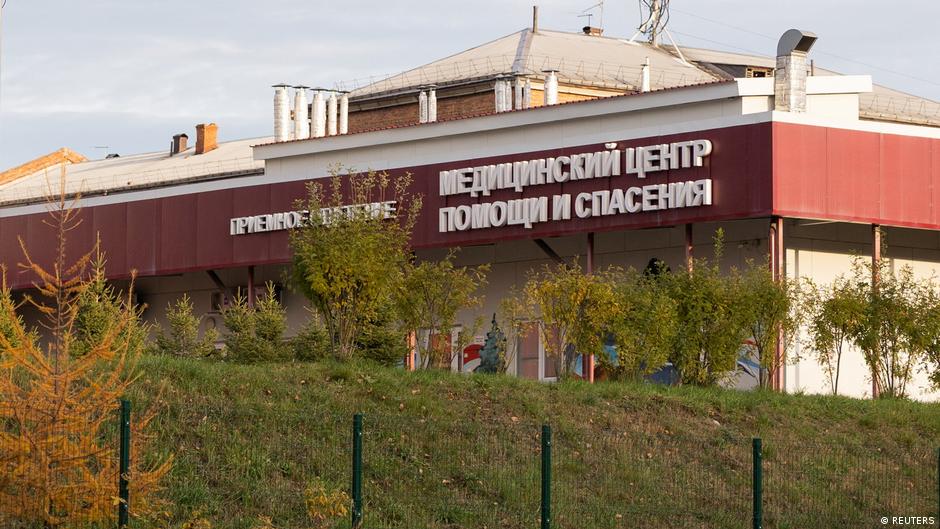
Market analysts note that this aviation supply chain mirrors Russia’s existing "shadow fleet" mechanisms used in maritime oil exports, which have drawn international scrutiny. The chief operator identified is the Russian Ministry of Defense–controlled 224th Flight Detachment, currently subject to U.S. sanctions. However, other firms such as Sapsan Airlines and Liz Aviation, along with Russian Emergency Ministry aviation units, are active participants yet remain outside EU, U.S., and U.K. sanctions.
These companies’ flights reveal a sophisticated logistics system that leverages both Russian-controlled bases in Syria and Libya as well as commercial hubs in Turkey, Algeria, and the UAE. The situation raises concerns that these entities could soon face targeted sanctions depending on EU and international policy responses.
"If these aircraft and companies are knowingly transporting Russian military personnel or cargo to support African deployments, targeted sanctions must be imposed regardless of aircraft registration," said Tomas Zdechovsky, a Czech MEP from the European People’s Party.
For investors, this unfolding scenario introduces significant risks. Equity stakes in implicated airlines or defense contractors could face sharp declines if sanctions expand. Bondholders should also monitor credit exposure to these entities, as sanctions can impair cash flows and increase default risk. Additionally, market volatility could escalate amid geopolitical tensions linked to Russia’s African operations.
Capital markets participants should closely watch EU and allied government actions in response to these revelations. The prospect of new targeted sanctions could lead to sectoral repricing, affecting portfolios with direct or indirect exposure to Russian-linked aviation firms. Diversification and risk management strategies may need recalibration as the geopolitical landscape evolves.
In conclusion, Russia’s shadow air fleet supplying military operations in Africa represents a complex challenge at the intersection of geopolitics and capital markets. Investors must remain vigilant to regulatory developments and market reactions that could influence asset valuations and investment strategies in affected sectors.