Trump-Putin Call on Irkutsk Health Reports Puts Markets on Alert
Investors are watching for any confirmation of a high-risk pathogen in Russia as officials describe pneumonia and the WHO seeks more details.
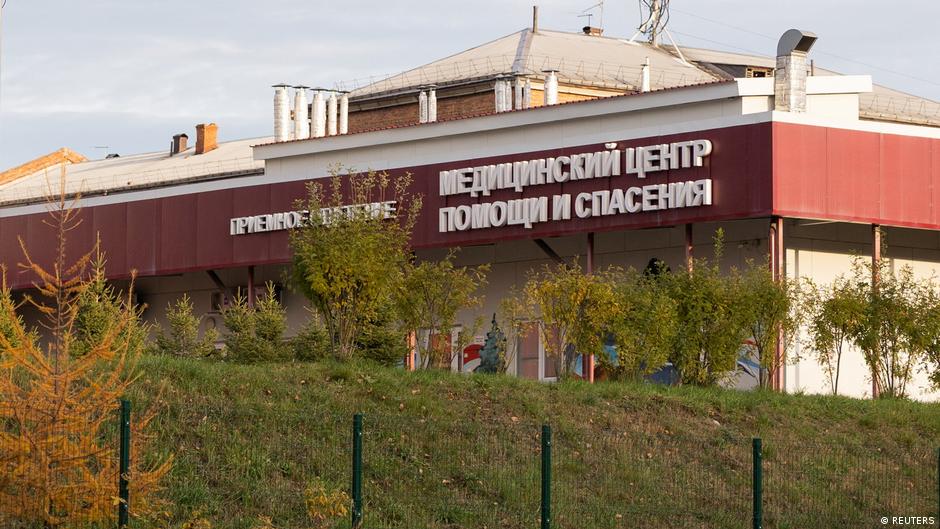
U.S. President Donald Trump plans to speak by telephone with Russian President Vladimir Putin after reports from Russia raised questions about the possible death of a laboratory worker from plague in the Irkutsk region, a development that has pushed a public-health story into the field of market risk.
The White House said Tuesday, October 6, that a call between the two leaders had been scheduled. Trump made the comment in response to a journalist asking whether he had discussed the events in Irkutsk with Putin. The case centers on 28-year-old Darya Shipilova, a laboratory assistant at the Irkutsk Anti-Plague Institute, who died overnight on October 2 at a district hospital in Shelekhov in the Irkutsk region.
For investors, the immediate issue is not only the medical diagnosis but also the uncertainty around it. Markets tend to discount known health risks quickly, but they react more sharply when official statements, media reports and international health inquiries point in different directions. That is now the case in Irkutsk, where Russian officials have not publicly confirmed plague, while the World Health Organization has requested additional information.
Health Uncertainty Becomes a Market Variable
WHO Director-General Tedros Adhanom Ghebreyesus said overnight on October 7 on X that the organization was in contact with Russian health authorities and had offered technical support. According to Tedros, Russian authorities told the WHO that no plague cases had recently been registered in the Irkutsk region.
Russian health authorities informed the WHO that an epidemiological investigation had been carried out, preventive and control measures had been taken, and identified contacts had been placed under medical observation and tested.
Tedros also said Russian officials reported that no high-threat pathogens had been identified among the contacts and that medical observation of all identified contacts had been completed. At the same time, he said the WHO had requested more information to clarify the cause of the severe pneumonia, the pathogen that prompted public-health measures, and media reports of a second employee with pneumonia of unknown origin.
That nuance matters for capital markets. Equity investors generally look first at transmission risk, official containment steps and the potential for disruption to production, transport and consumer activity. Bond investors, meanwhile, often watch for signs that governments may need to increase emergency spending or that risk aversion could boost demand for sovereign debt. In this case, the lack of a confirmed diagnosis limits the ability of traders to price the event cleanly.
Trump had already addressed the situation on October 5, saying the United States was “watching very closely” what was happening in Russia. He said U.S. officials had only just heard about the matter and that Russian authorities were calling it pneumonia. He added that pneumonia used to be easier to treat, but that germs and bacteria had become disproportionately stronger, and said the United States would help Russia.
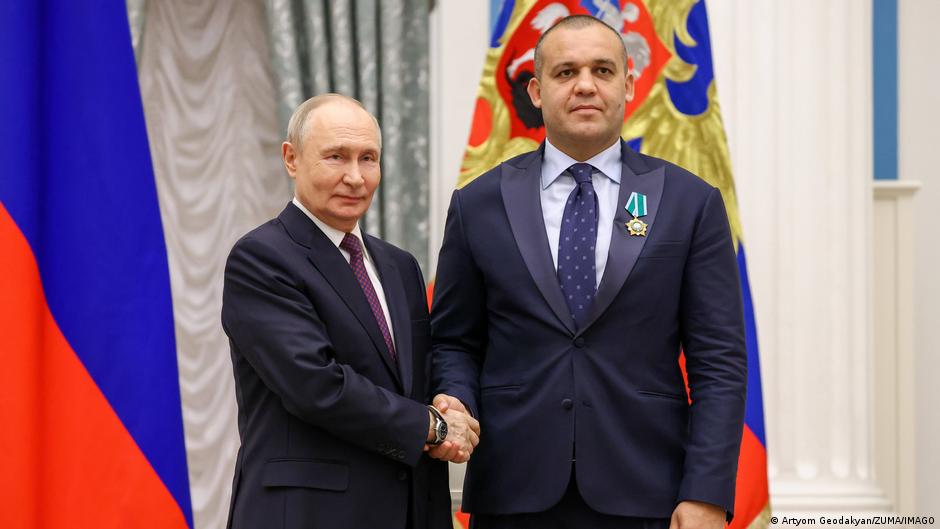
The prospect of a Trump-Putin call gives the story a geopolitical layer. For markets, communication between Washington and Moscow can reduce uncertainty if it produces clearer information, but it can also draw attention to risks that had remained regional. Investors will be looking for whether the conversation leads to further public statements, health cooperation, travel guidance, or any change in the official description of events.
Industrial and Regional Signals Under Scrutiny
The local facts reported from the Irkutsk region have also attracted investor attention because they involve hospitals and an industrial facility. The head of neighboring Buryatia, Alexey Tsydenov, initially wrote on Max that Shipilova’s cause of death was plague. He later edited the post, adding the word “possibly.”
Russia’s consumer health watchdog, Rospotrebnadzor, said the deceased woman had been diagnosed with pneumonia, the cause of which had not been established. Irkutsk regional governor Igor Kobzev referred to a suspected “especially dangerous infection” but did not name a suspected diagnosis.
Regional media outlet Lyudi Baikala reported on October 4 that Irkutsk city clinical hospitals No. 1, 3 and 10, as well as a maternity hospital and the Ivano-Matreninskaya children’s clinical hospital, had been closed for quarantine. Separately, the Irkutsk Aluminum Plant in Shelekhov, known as IrkAZ, introduced a mask regime, according to a statement made a day earlier by the plant’s director, Artyom Fominykh.
Those measures do not by themselves establish the presence of plague or any other specific pathogen. They do, however, show that local authorities and institutions treated the situation as serious enough to warrant restrictions and preventive steps. In market terms, such measures are watched as early indicators of possible labor interruptions, operational frictions or broader regional controls.
For equities, the most exposed sectors in any health-risk episode are usually transport, travel, consumer-facing companies and local industrial operators if restrictions widen. For fixed income, the potential reaction depends on whether the story remains a contained regional event or becomes a national or international policy issue. A contained event would likely have limited market impact; a confirmed high-threat pathogen or evidence of wider spread would raise the risk premium.
At this stage, the investment case remains dominated by information gaps. Russian authorities told the WHO there were no recent registered plague cases in the Irkutsk region and no high-threat pathogens among identified contacts. The WHO, however, is still seeking clarification on the pneumonia, the pathogen that triggered public-health measures, and reports of another employee with pneumonia of unknown origin.
The next market-moving developments are likely to be official statements after the Trump-Putin call, any further WHO update, and whether quarantine or mask requirements expand beyond the facilities already reported. Until then, investors are likely to treat the Irkutsk reports as a low-visibility tail risk rather than a fully priced macro shock.