Russian Strikes on Ukrainian Regions Cause Civilian Casualties Amid Market Uncertainty
Multiple Russian attacks on Ukrainian regions result in casualties, raising concerns for investors amid ongoing conflict.
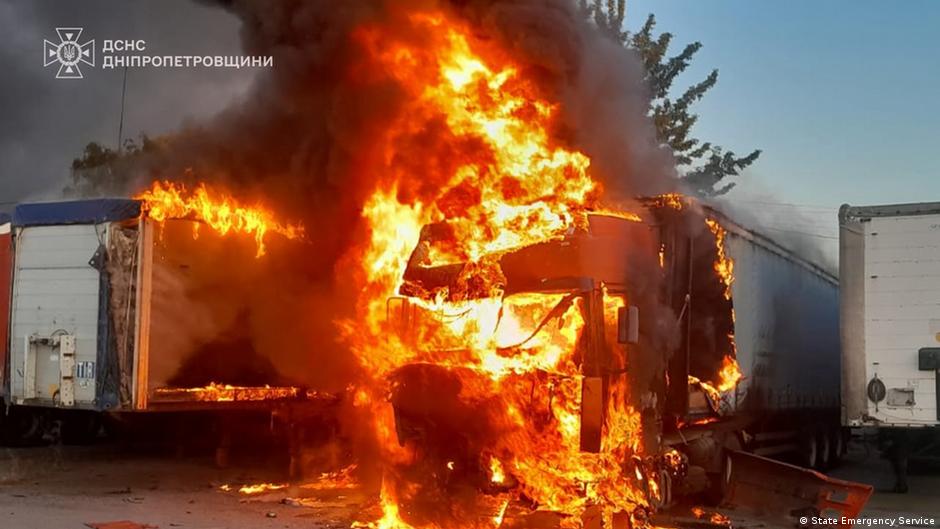
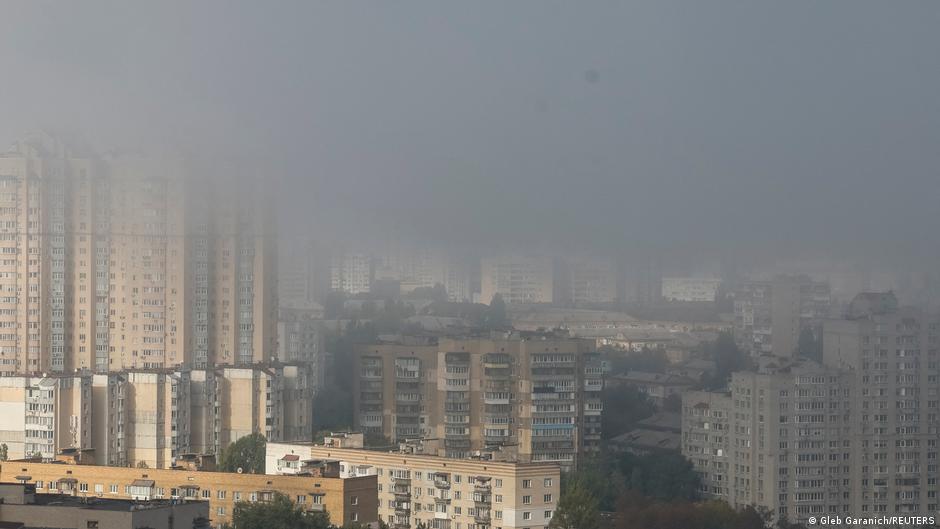
On July 2, Russia continued its military offensive against Ukraine with strikes across several regions including Kherson, Zaporizhzhia, and Dnipropetrovsk. These attacks followed a massive nighttime assault on Kyiv, noted as the deadliest since the conflict began. The ongoing violence has significant implications for capital markets, impacting investor sentiment and regional economic stability.
Market Impact of Renewed Conflict and Civilian Casualties
The latest wave of attacks resulted in at least six deaths and over thirty injuries, including civilians and children. Key infrastructure such as residential buildings, medical facilities, a postal sorting center, and fuel stations were damaged or destroyed. The humanitarian toll and destruction are expected to exacerbate regional economic challenges, influencing market dynamics.
"The continual strikes raise concerns over regional security and economic stability, factors crucial for investor confidence," observed market analysts following the attacks.
In Kherson, a civilian vehicle was struck, killing a 41-year-old man, while a medical facility attack claimed the life of a 63-year-old physician and injured a nurse. Nearby, drone strikes targeted the Kherson oil refinery, a vital industrial asset. These attacks disrupt supply chains and could impede energy sector recovery efforts.
Zaporizhzhia faced strikes on residential and commercial properties including a postal sorting hub and a sports center. Injuries included children aged between six and sixteen, highlighting the conflict’s indiscriminate nature. Dnipropetrovsk reported approximately 40 strikes via drones, artillery, bombs, and a missile. Damage to homes, vehicles, and a school further strains local infrastructure.
Additional drone attacks in Mykolaiv and Kharkiv regions resulted in casualties and infrastructure damage, with impacts extending to fuel stations and private properties. In Sumy, precision-guided bombs caused injuries and significant damage to a school in a residential area. Attacks on postal vehicles further disrupt logistics and commerce.
These developments heighten geopolitical risks, often leading to increased volatility in regional equities and sovereign bonds. Investors face uncertainties around supply chain disruptions, insurance costs, and potential sanctions or retaliatory measures affecting market access and asset valuations.
Financial markets typically react to such escalations with cautious trading, as capital allocators reassess risk premia for Ukrainian assets and neighboring markets. The destruction of critical infrastructure and civilian casualties may dampen economic recovery prospects, influencing sovereign credit ratings and foreign direct investment flows.
For investors, monitoring evolving conflict zones is essential to managing portfolio risks and identifying shifts in market sentiment. The ongoing conflict underscores the complexity of investing in regions affected by geopolitical instability, where humanitarian crises also drive economic consequences.