Jared Kushner’s Hamas Meeting Highlights Middle East Peace Hurdles Impacting Markets
Kushner presses Hamas for disarmament amid ongoing regional tensions, influencing investor sentiment in volatile Middle East markets.
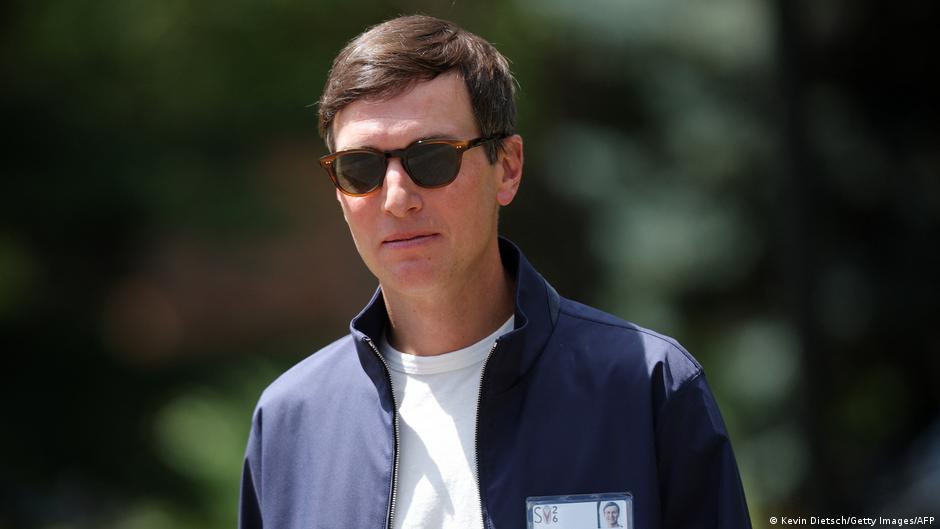
Jared Kushner, the U.S. presidential envoy and son-in-law of former President Donald Trump, held a significant meeting with Hamas representatives in Egypt as part of ongoing efforts to implement a peace plan for the Gaza Strip. The encounter underscores persistent geopolitical risks in the Middle East that continue to weigh on capital markets, impacting equities and bonds linked to the region.
Diplomatic Efforts and Market Implications
The 90-minute meeting, described by sources as "very productive" in terms of securing Hamas's verbal commitment to disarm, aimed to advance peace initiatives amid escalating conflict. Kushner emphasized that Israel would only reciprocate with its own concessions if Hamas takes concrete steps toward disarmament. This includes transferring governance powers to a technocratic Palestinian government and ensuring Hamas does not influence future administration of Gaza.
"American officials want to see concrete efforts, not just words," a source involved noted, highlighting the demand for tangible actions rather than verbal assurances.
Present at the meeting were key figures including Nikolay Mladenov, head of the UN's peace efforts, former UK Prime Minister Tony Blair, and senior advisors within the peace council, alongside Hamas political bureau chief Khalil al-Hayya and senior intelligence and diplomatic representatives from Egypt, Qatar, and Turkey.
Following the Egyptian meeting, Kushner planned to meet Israeli Prime Minister Benjamin Netanyahu to discuss reciprocal steps from Israel’s side. Netanyahu has publicly rejected the peace plan framed by the so-called "Peace Council," insisting that Israel’s military presence in Gaza will persist until Hamas is fully disarmed.
Regional Conflict and Capital Market Volatility
The geopolitical tensions remain elevated following Hamas’s October 2023 attack on Israel, which triggered severe military responses including extensive air and ground strikes on Gaza. The resulting humanitarian crisis and ongoing conflict have heightened political uncertainty and fueled volatility in markets, particularly for equities and government bonds linked to the region.
Investors closely monitor developments around Gaza, as escalating violence and diplomatic deadlock increase risk premiums on sovereign debt and regional equities, especially in defense, energy, and banking sectors. The prolonged conflict undermines economic stability and investor confidence, which is reflected in wider spreads on Israeli bonds and suppressed valuations of companies with significant Middle East exposure.
The joint statement by foreign ministers from Saudi Arabia, Egypt, Jordan, Pakistan, Indonesia, Qatar, Turkey, and the UAE condemning Israel’s rejection of the peace framework further complicates the diplomatic landscape. Such discord among influential regional players adds layers of unpredictability for foreign investors and raises concerns over the durability of any peace accord, fostering a cautious market stance.
As the conflict and negotiations continue, global investors must weigh the risks associated with Middle East geopolitical uncertainty. Market participants are advised to stay alert to diplomatic breakthroughs or escalations that could trigger rapid swings in asset prices.
In summary, while Kushner’s meeting with Hamas signals ongoing attempts at diplomacy, the lack of concrete disarmament measures and Israel’s firm stance suggest that instability will persist, sustaining a challenging environment for capital markets tied to the region.