Russian Naval Ships Damaged in Novorossiysk Attack Impact Capital Markets and Energy Infrastructure
Ukraine's strike on Russian warships and key port facilities in Novorossiysk rattles equities and bond markets amid heightened regional tensions.
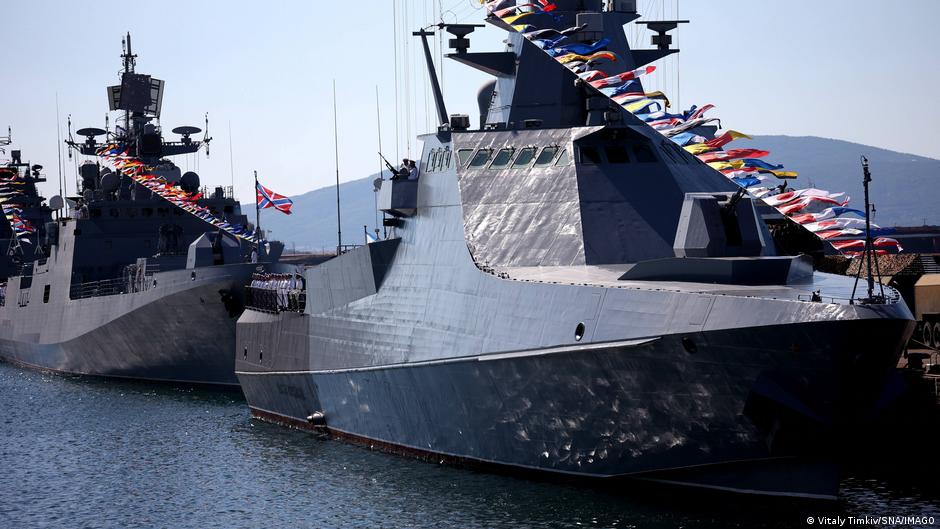
On August 12, the Ukrainian General Staff and Security Service announced a significant strike against Russian naval assets in the port city of Novorossiysk. The attack reportedly damaged four Russian Navy ships, including two frigates armed with Kalibr cruise missiles: the Admiral Essen and Admiral Makarov. Additional assets such as a small missile ship and a patrol vessel also sustained damage.
Market Implications of the Military Strike on Russian Naval Capabilities
The targeted vessels play a pivotal role in Russia's naval strike capacity, especially given their onboard Kalibr missiles used in operations against Ukraine. The Ukrainian Security Service further reported strikes on strategic infrastructure within Novorossiysk, including a radar station associated with the S-300 air defense system, the Grushovaya oil depot, and multiple port berths.
Of particular concern for investors and market watchers is the collateral damage to the Novorossiysk grain terminal and the Novorossiysk Bread Products Combine (PAO "NKHP"), both critical nodes in Russia's agricultural export infrastructure. According to reports from Vedomosti and Reuters, these facilities ceased operations following the attack, highlighting potential disruptions to grain export flows.
"Ukrainian drones, including Palianytsia rocket drones, Neptune missiles, and maritime strike systems executed precise attacks on the designated targets," stated the Ukrainian Security Service.
Regional authorities confirmed casualties and infrastructure damage: the governor of Krasnodar Krai reported three fatalities and 24 injuries, along with damage to approximately 60 residential buildings. Furthermore, drone debris affected housing in nearby cities such as Gelendzhik, Anapa, and the Temryuk district.
Energy markets are also on alert following the damage to the Grushovaya oil depot, a key node connected to the Sheskharis marine terminal. This terminal serves as the endpoint for major Transneft oil pipelines in Krasnodar Krai, facilitating crude oil loading onto tankers. The previous June 8 attack had already set the depot ablaze, underscoring the vulnerability of Russia’s southern energy export infrastructure.
Capital markets have responded swiftly to these developments. Russian equities, particularly in the defense and energy sectors, have exhibited volatility amid uncertainty over the sustainability of naval operations and export capabilities. The grain export disruption has also reignited concerns over global commodity supply chains, influencing futures contracts and commodity-linked bonds.
Bond markets are facing increased risk premiums on Russian sovereign and corporate debt as investors reassess geopolitical risks and the potential economic fallout from sustained Ukrainian military actions targeting strategic assets. International markets are closely monitoring this evolving situation, as prolonged disruptions could impact global energy prices and grain supplies, thereby influencing inflationary pressures worldwide.
Investors are advised to maintain vigilance on geopolitical developments in the Black Sea region, as continued hostilities could further affect trade routes and regional stability, with direct consequences for capital markets and investment portfolios.