Turkey Resumes Vessel Passage Through Straits Affecting Black Sea Trade Routes
Turkey has reopened its straits to commercial shipping after recent restrictions amid regional maritime security tensions.
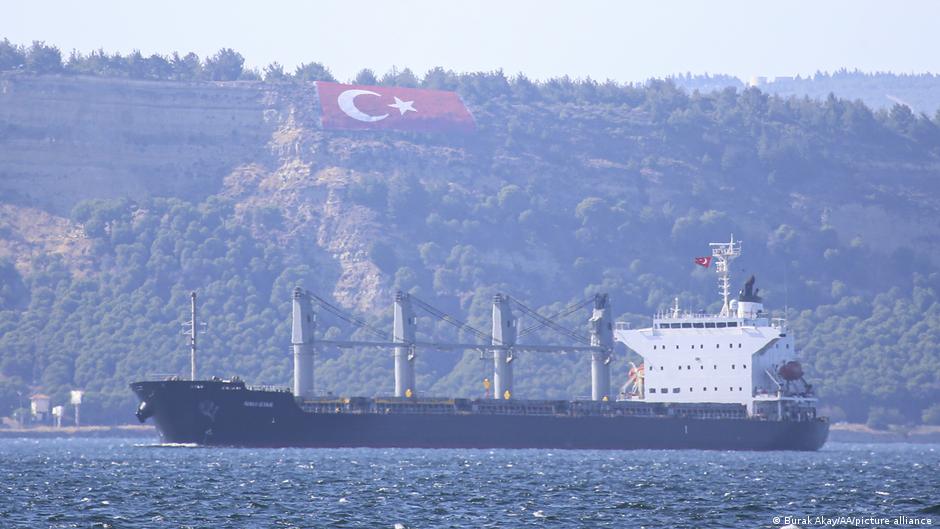
Turkey has resumed the transit of commercial vessels through the strategically important Bosporus and Dardanelles straits, reopening critical maritime routes to the Black Sea. This development follows a period of restricted passage imposed amid escalating attacks on shipping in the region, which had significant implications for global trade and market sentiment.
Impact on Shipping and Market Dynamics
On August 9, the oil tanker Aegean Dream and the container ship Mehmet Kahveci A successfully passed through the Dardanelles strait en route to Novorossiysk, Russia. The Aegean Dream had been waiting near the strait since August 6, highlighting the recent delays vessels faced due to Turkey's temporary restrictions.
These restrictions, initially reported on August 8, involved a halt on several transit permits for ships destined for Russian and Ukrainian ports. Turkish authorities did not publicly clarify the reasons or timeline for lifting these limitations, although the move came amid heightened regional security concerns following an increase in drone and missile attacks on commercial shipping vessels.
"We urge all stakeholders, especially the warring parties, to take immediate concrete measures to ensure maritime safety in the Black Sea," said Turkey's Ministry of Foreign Affairs earlier in August.
The halting of commercial traffic through the straits significantly contributed to rising market uncertainty, particularly impacting energy and agricultural commodity flows. The Black Sea region is a vital corridor for Ukrainian grain exports and Russian oil shipments; interruptions here have downstream effects on global supply chains and commodity prices.
Investor Sentiment and Market Reactions
Equity and bond markets have responded cautiously to these developments. Shipping companies with exposure to Black Sea routes experienced volatility, reflecting concerns over operational disruptions and increased insurance costs. Energy markets, particularly oil and liquefied natural gas (LNG), saw price fluctuations driven by supply route uncertainties.
Amid the tensions, Turkey engaged diplomatically with Ukraine and Russia, calling for a "moratorium" on attacks in the Black Sea to secure maritime trade routes. Ukraine has reportedly agreed to facilitate safe passage for select oil tankers unaffiliated with Russia, signaling potential easing of risks. This diplomatic activity has been closely watched by investors seeking indications of a resolution that could stabilize trade flows.
However, the backdrop remains tense. Since early July, Ukrainian drone strikes have targeted Russian tankers, and Russia has intensified attacks on Ukrainian ports and commercial vessels, severely disrupting Ukraine’s agricultural exports. These hostilities have contributed to the near cessation of maritime traffic through the Black Sea corridor, forcing stakeholders to consider alternative, less efficient routes that cannot fully compensate for the loss of throughput.
For investors, the reopening of Turkey’s straits offers cautious optimism but also underscores ongoing geopolitical risk. Market players are closely monitoring any further disruptions given their potential to influence commodity prices, shipping costs, and broader supply chain dynamics.
In summary, Turkey’s decision to resume vessel passage through its straits partially alleviates immediate logistical bottlenecks, yet significant uncertainties remain. The evolving security situation in the Black Sea continues to pose challenges for capital markets linked to energy and agriculture sectors, highlighting the intricate interplay between geopolitics and global trade flows.