Trump Expects Iran Talks as Strait of Hormuz Risks Weigh on Markets
Investors face another week of geopolitical risk as Washington and Tehran remain divided over shipping access, sanctions relief and Iran’s nuclear program.
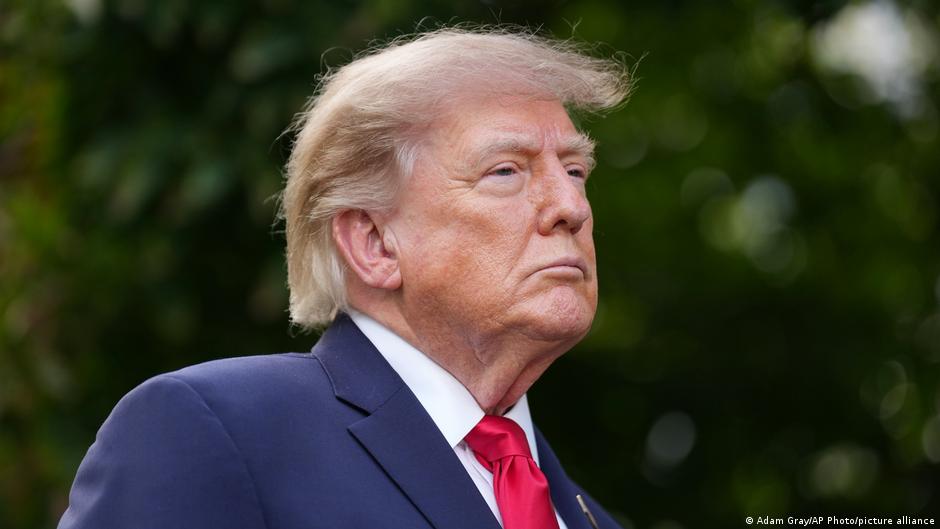
U.S. President Donald Trump expects negotiations with Iran to resume in the coming days, injecting a fresh geopolitical variable into global markets already sensitive to risks around energy supply, shipping routes and military escalation in the Middle East.
Trump said in a telephone interview with the U.S. news outlet Axios on Sunday, September 27, that he anticipates another round of talks with Iran in the coming week. His comments came after the White House rejected a seven-day proposal from Tehran to reopen the Strait of Hormuz, one of the world’s most important maritime chokepoints for oil and gas flows.
“I expect new talks with Iran,” Trump said, adding that Tehran wants a deal but “not the deal that I want to make.”
For investors, the immediate significance lies less in the prospect of diplomacy itself than in the gap between the two sides’ objectives. Tehran wants any negotiations to focus on fully reopening the Strait of Hormuz and lifting the U.S. maritime blockade. Washington is pressing for a broader agreement that would include concessions on Iran’s nuclear program.
That divide leaves markets exposed to headline risk across oil, equities, bonds and currencies. Any sign of a credible reopening framework for Hormuz could ease supply fears and temper risk premiums embedded in crude prices. Conversely, renewed threats of military action or signs that talks are faltering could support energy prices, pressure transport and industrial shares, and drive demand for haven assets.
Energy and Rate Markets Face a Narrow Negotiating Window
Trump’s remarks suggest that diplomacy is still active, but not yet close to a settlement acceptable to the White House. Asked whether he was considering renewed strikes on Iran, the U.S. president said he is “always thinking about it.” That statement is likely to keep traders focused on defense, oil and shipping-linked exposures as the week begins.
Two regional sources cited by Axios, speaking on condition of anonymity, also confirmed Trump’s comments about the expected resumption of talks. They said Qatari mediators, who had previously taken part in meetings between representatives of Washington and Tehran, were expected as early as September 28 to meet Iranian Foreign Minister Abbas Araghchi and U.S. presidential special envoy Steven Witkoff.
The potential involvement of Qatari mediators gives investors a diplomatic marker to watch, but the substance of any negotiations remains uncertain. Tehran’s recent offer, described by Araghchi, would restore vessel traffic through the Strait of Hormuz within a week if certain conditions were met, while also restarting talks on a longer-term conflict settlement.
Media reports listed those conditions as a halt to fighting on all fronts, including Lebanon; the lifting of the blockade on Iranian ports; the unfreezing of Tehran’s assets; and the removal of restrictions on Iranian oil exports. Each of those issues carries direct market implications, from crude supply expectations to regional credit risk and the outlook for sanctions-sensitive trade flows.
On September 26, Trump said he had rejected Iran’s offer. He argued that Tehran wanted a deal to reopen the strait immediately because it was suffering heavy losses, but said the proposal was unacceptable to Washington. The president added that while he likes making deals, this would not be an acceptable one.
Equity Investors Balance Diplomacy Against Escalation Risk
In equity markets, the standoff creates a split set of incentives. Energy producers may benefit from a sustained risk premium if shipping uncertainty persists, while airlines, logistics groups, chemical producers and other energy-intensive companies could face pressure from higher fuel costs. Broader indexes may remain sensitive to any sign that the confrontation is moving from negotiation back toward military escalation.
Bond markets are also likely to track the issue closely. A diplomatic breakthrough that reduces oil-price pressure could ease inflation concerns at the margin, while escalation around Hormuz could revive fears of an energy shock. That would complicate the outlook for yields, especially if investors have to weigh slower growth against higher input costs.
The Wall Street Journal previously reported, citing unnamed sources, that Trump had decided to reject Iran’s proposal. According to the newspaper, he also told aides that he intended to resume bombing Iran after the November midterm elections for Congress. The Journal’s sources said Trump considers a new military operation “highly likely” because he is skeptical that Tehran is prepared to meet his demand for a complete abandonment of its nuclear program.
That reported timeline matters for investors because it extends the risk horizon beyond the coming week’s negotiations. Markets may treat near-term talks as a potential volatility dampener, but not necessarily as a durable resolution unless Washington and Tehran narrow their differences on the nuclear issue, maritime access and sanctions relief.
For now, the investment takeaway is that geopolitical risk remains live rather than resolved. Trump’s expectation of renewed talks gives markets a diplomatic channel to price, but his rejection of Tehran’s latest proposal and his comments on possible strikes leave a significant escalation premium in play. Investors today are likely to monitor oil prices, defense shares, transport stocks, Treasury demand and regional credit indicators for signs of how seriously markets are discounting the next phase of U.S.-Iran tensions.