Russian Missile and Drone Strike on Kyiv Tests Investor Focus on War Risk
The overnight assault damaged homes, industrial sites and logistics facilities around Kyiv as markets weigh geopolitical risk and diplomacy signals.

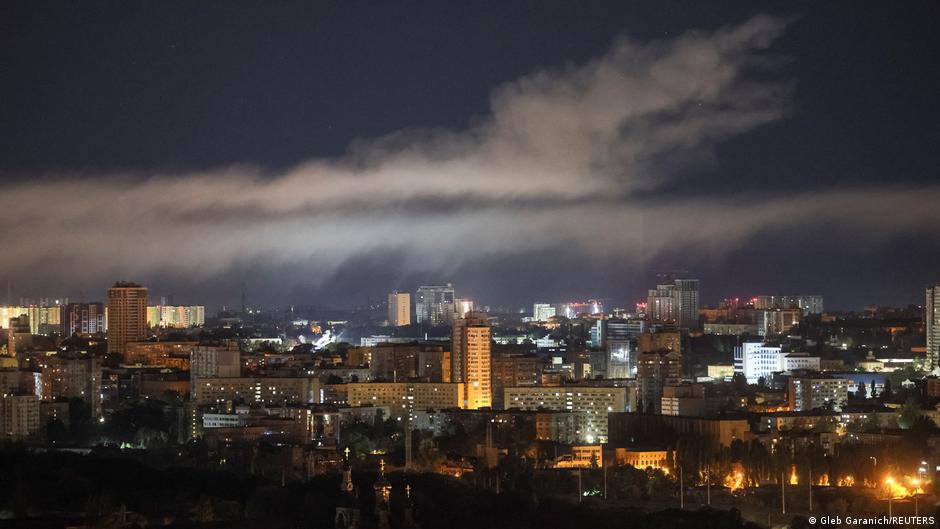
Russia carried out an overnight missile and drone strike on Kyiv on September 8, according to Ukrainian authorities, adding a fresh geopolitical shock for investors tracking the war’s effect on European security, logistics assets, defense spending and sovereign risk.
The Kyiv City Military Administration said in a Telegram post that Russian forces used unmanned aerial vehicles and ballistic missiles against the Ukrainian capital. Officials reported debris falling on a five-story residential building in the Solomianskyi district, while another three-story residential building was also damaged. A fire broke out in a warehouse facility.
Kyiv Mayor Vitali Klitschko said medical teams had been dispatched to the Solomianskyi district. Preliminary information indicated that six people were injured in the shelling.
For capital markets, the immediate significance is not only the human toll and infrastructure damage, but the persistence of strike risk in and around Ukraine’s capital at a moment when diplomatic channels are again being discussed. Attacks on residential, educational, industrial and logistics facilities reinforce the uncertainty premium attached to Ukrainian assets, regional transport networks, insurers, energy infrastructure, defense contractors and European government bonds.
Damage Reported Across Kyiv Districts
Authorities described impacts across several parts of Kyiv. In the Darnytskyi district, debris damaged a car. Klitschko said fires broke out in non-residential areas in the Podilskyi and Darnytskyi districts, while the Kyiv City Military Administration said garages and vehicles were burning.
In the Holosiivskyi district, Klitschko said a fire broke out on the grounds of an educational institution. He also said that, according to preliminary data, people were trapped inside a residential building.
Preliminary information indicated that six people were injured in the shelling, Kyiv Mayor Vitali Klitschko said.
The details matter for investors because the pattern of reported damage cuts across civilian housing, public institutions, storage facilities, garages, cars and industrial property. That mix broadens the potential economic effect beyond direct military targets. Even when fires are extinguished quickly, recurring strikes can raise operating costs, delay deliveries, affect labor availability and increase the risk calculations used by lenders, insurers and foreign investors.
Late on September 7, Russian forces also launched drone strikes on the Boryspil and Fastiv districts of the Kyiv region, Ukraine’s State Emergency Service said on Telegram. In the Boryspil district, fires broke out at industrial enterprises. At one facility, the fire destroyed seven trucks. The service also said a building at one logistics complex was attacked twice. Rescuers arrived quickly and extinguished the fires.
The reported damage to trucks and a logistics complex is particularly relevant for market participants following supply-chain resilience in Ukraine. Boryspil, located near key transport routes and associated with Kyiv’s wider transport infrastructure, is part of the economic geography investors watch when assessing freight movement, reconstruction needs and the operating environment for companies with exposure to Ukraine.
Market Lens: Risk Premiums and Defensive Positioning
The source information did not report specific moves in equities, bonds, currencies or commodities following the strike. Still, the event lands directly in the set of risks that markets routinely price around the Russia-Ukraine war: escalation risk, infrastructure vulnerability, reconstruction costs, defense procurement, sanctions exposure and the durability of Western support for Kyiv.
For equity investors, renewed attacks around Kyiv can keep attention on European defense companies, energy infrastructure operators, logistics firms, insurers and banks with regional exposure. The strike also underscores the continuing need for air-defense systems, emergency response capacity and repair work, themes that have shaped public spending priorities across Europe since Russia’s full-scale invasion of Ukraine.
For bond markets, the implications are tied to sovereign risk and fiscal planning. Ukraine’s financing needs remain highly sensitive to the pace of the war and the scale of infrastructure damage. European governments also face pressure to maintain military and financial support while managing domestic budget constraints. Each new attack can strengthen the argument for sustained defense outlays, which investors may weigh against debt issuance, yields and fiscal credibility.
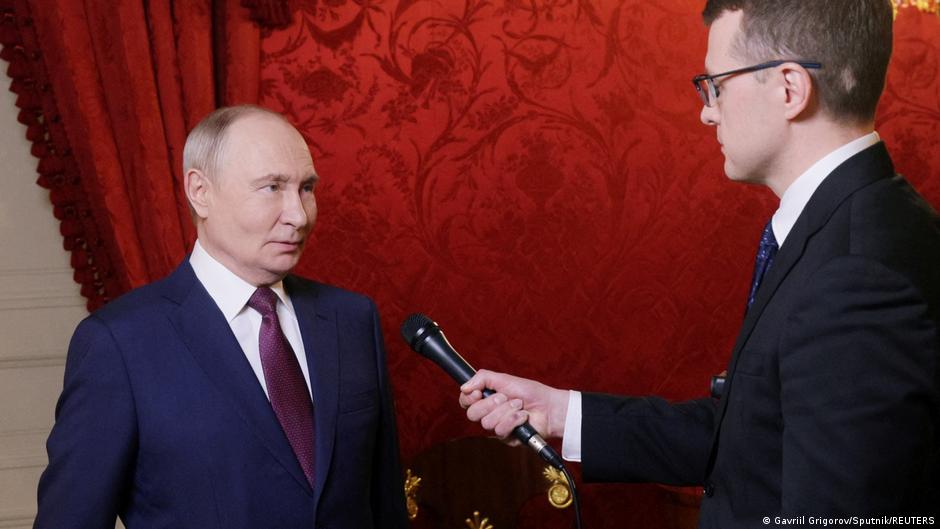
The attack also intersects with diplomacy. U.S. President Donald Trump’s special envoys Steve Witkoff and Jared Kushner left Kyiv during the night of September 7. Following their meeting, Ukrainian President Volodymyr Zelensky said Ukraine was ready for trilateral talks in the format of Ukraine, the United States and Russia.
Moscow also did not rule out the possibility of resuming a trilateral negotiating format. Kremlin spokesman Dmitry Peskov said, however, that it was “premature” to speak about the place and timing.
That combination of battlefield pressure and possible negotiation channels creates a difficult setup for investors. Diplomatic headlines can support hopes for de-escalation, but the overnight strike shows that military risk remains active. Markets generally treat such periods with caution: potential upside from talks is balanced against the risk that attacks continue, infrastructure losses mount and sanctions or defense policies shift.
For investors today, the core takeaway is that Ukraine-related risk remains live across asset classes even when no immediate price reaction is provided in official reports. The reported use of ballistic missiles and drones against Kyiv, the damage to residential and industrial sites, and the hit to logistics assets in the surrounding region all reinforce the need to monitor geopolitical exposure, liquidity conditions and policy signals from Washington, Kyiv and Moscow.
The incident is also a reminder that any investment thesis tied to Ukraine’s reconstruction, European security spending or regional normalization depends on both military developments and negotiations. Until the timing and location of any trilateral talks become clearer, and until attacks on urban and logistics infrastructure subside, markets are likely to keep assigning a material risk premium to assets linked to the conflict.