Finland Lifts Ban on Nuclear Weapons Transit, Impacting Security and Capital Markets
Finland’s legal amendment to allow nuclear weapons transit may alter regional security dynamics and affect investor sentiment in equities and bonds.
Finland has officially removed its long-standing prohibition on the import and storage of nuclear weapons within its borders, a move that took effect on July 1. The decision follows presidential approval of amendments to the country’s Atomic Energy Act, signaling a significant shift in Helsinki’s national security posture amid escalating regional tensions.
Market Implications and Investor Considerations
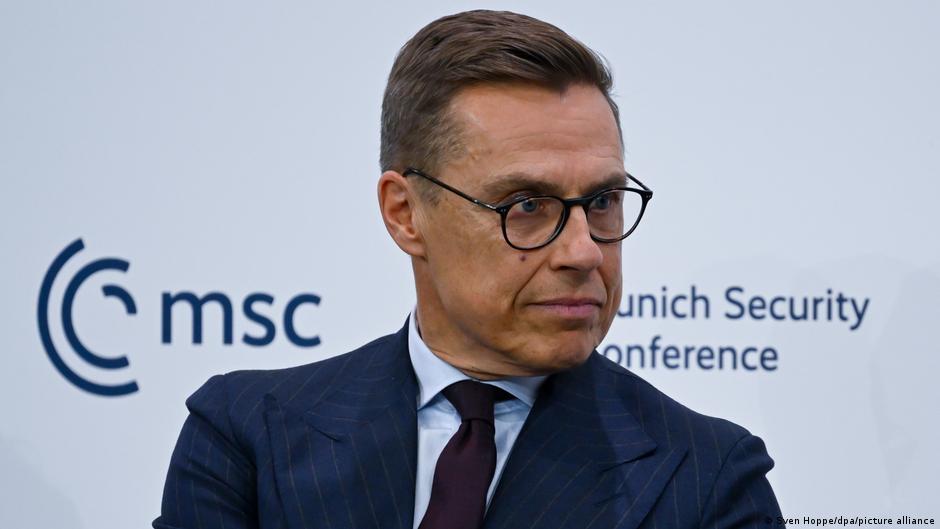
On June 26, Finnish President Alexander Stubb signed off on legislative changes that repeal the ban on nuclear weapons transit and placement on Finnish soil. This legislative shift, initially approved by the Finnish Parliament on March 17 with a vote of 125 to 61, reflects the country’s strategic alignment with NATO amidst concerns over Russian military actions.
Defense Minister Antti Häkkänen described the reform as "historic," emphasizing that it strengthens both Finland's and NATO's security frameworks. However, the Finnish government maintains it will not host nuclear weapons in peacetime, positioning the move as a deterrence strategy rather than an offensive escalation. President Stubb asserted that this is about "nuclear deterrence—a factor intended to guarantee that nuclear weapons never have to be used."
"This change reduces the risk of Finland becoming the target of military action by Russia," said Defense Minister Häkkänen.
From a capital markets perspective, such geopolitical adjustments bear significance for both equities and fixed income investors. Finland’s enhanced security alignment with NATO may reduce geopolitical risk premiums on Finnish government bonds by mitigating the likelihood of direct conflict on its territory. Conversely, equities in sectors tied to defense and security could experience increased investor interest, anticipating government spending and regional security contracts.
However, the Kremlin has indicated possible "retaliatory measures" should Finland house nuclear weapons, introducing a source of volatility that markets will monitor closely. Finland's readiness to respond to Moscow's reactions, as stated by Häkkänen, demonstrates Helsinki’s commitment to its new security trajectory, which investors are likely factoring into risk assessments for Nordic and broader European assets.
Finland’s prior withdrawal from the Ottawa Treaty banning anti-personnel mines, citing security concerns with its aggressive neighbor, further underscores the country’s recalibrated defense policies. This evolution began notably in May 2022 following Russia’s full-scale invasion of Ukraine, prompting Finland to seek NATO membership—a move formalized in April 2023 despite a shared 1,300-kilometer border with Russia.
Looking ahead, President Stubb’s May 2026 call for Europe to engage directly with Russia highlights ongoing diplomatic efforts to stabilize the region. Investors will weigh these geopolitical developments as they influence macroeconomic stability, defense sector growth, and cross-border investment risk in Finland and its neighboring markets.