Ukraine’s NATO Prospects Dim, Shifting Defense Alliances Impact Capital Markets
Ukraine’s former military chief signals no NATO accession, boosting interest in alternative security partnerships and their market implications.
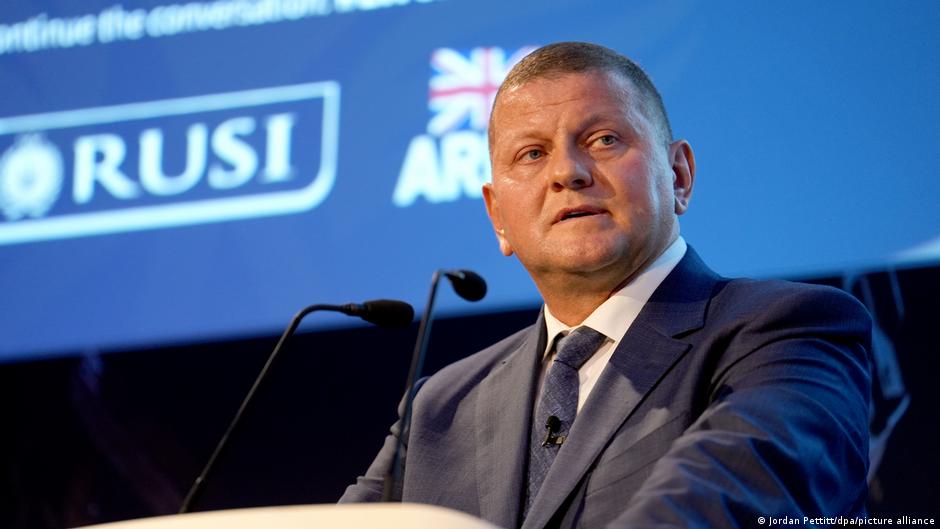
Ukraine’s prospects for joining NATO have been officially deemed unlikely by the country’s former Chief of the General Staff and current ambassador to the UK, Valeriy Zaluzhnyi. His comments signal a significant shift in Ukraine’s strategic security approach, which could reverberate through international capital markets focusing on defense equities, sovereign bonds, and regional investment risks.
Strategic Realignment Away from NATO
Speaking at a Ukrainian ambassadors’ meeting in Kyiv on August 3, Zaluzhnyi expressed skepticism toward Ukraine’s NATO accession, emphasizing the incompatibility of the alliance’s doctrines with Ukraine’s military development. He stated, "We will never join NATO," attributing this to NATO’s adherence to outdated doctrines and the gap in Ukraine’s military standards, which he estimated could take over a decade to reach even half the capacity of the Russian Federation’s forces.
"It will take about 12 years for Ukraine to reach even half the level of the Russian Federation’s military standards required for NATO accession," Zaluzhnyi said.
Despite this, Zaluzhnyi acknowledged the continued need for NATO technologies, particularly in missile defense, highlighting ongoing Ukrainian reliance on systems such as the U.S.-supplied Patriot missile batteries. This technological dependence creates complex dynamics for investors, especially in defense sectors supplying advanced weaponry to Ukraine amid an extended conflict with Russia.
He further suggested that Ukraine should pivot toward emerging European and regional defense coalitions, such as the Joint Expeditionary Force (JEF), which comprises ten Northern European countries and operates independently of NATO’s collective defense obligations. Ukraine was granted enhanced partner status with the JEF in December 2025, but Zaluzhnyi criticized the coalition’s current command structures as "weak" and insufficient for full Ukrainian integration.
Market Implications for Investors
The exclusion of Ukraine from NATO presents new considerations for investors analyzing Eastern European security risks and defense spending trajectories. NATO membership often signals increased defense procurement, improved geopolitical stability, and expanded economic partnerships, factors that generally underpin positive investor sentiment and creditworthiness.
Ukraine’s shift to alternative security pacts like the JEF implies a different investment risk profile. The JEF’s limited collective defense guarantees and evolving organizational capacity may translate into less predictable defense expenditure and political risk volatility. This could affect sovereign bond yields and foreign direct investment flows into Ukraine and the broader region.
Defense contractors supplying NATO-aligned technologies remain critical players, with sustained demand expected due to Ukraine’s ongoing conflict and reliance on Western military aid. However, investors should closely monitor evolving defense cooperation frameworks, as they influence contract awards, export licenses, and geopolitical risk premiums.
Furthermore, the ongoing war in Ukraine continues to weigh on regional equities and fixed income markets. While NATO membership remains a distant prospect, Western support through technological transfers and multilateral coalitions ensures Ukraine remains a focal point for geopolitical risk assessment and capital allocation strategies.
In summary, Zaluzhnyi’s candid remarks underscore a strategic recalibration with material market consequences. For capital markets professionals, understanding these shifts is essential for evaluating defense sector equities, sovereign credit risks, and broader investment climates in Eastern Europe.