EU Summons Russian Envoy Following Missile Strikes Near Kyiv Amid Market Uncertainty
EU condemns Russia's strikes on civilian and diplomatic sites, signaling potential expansion of sanctions impacting defense industry equities.
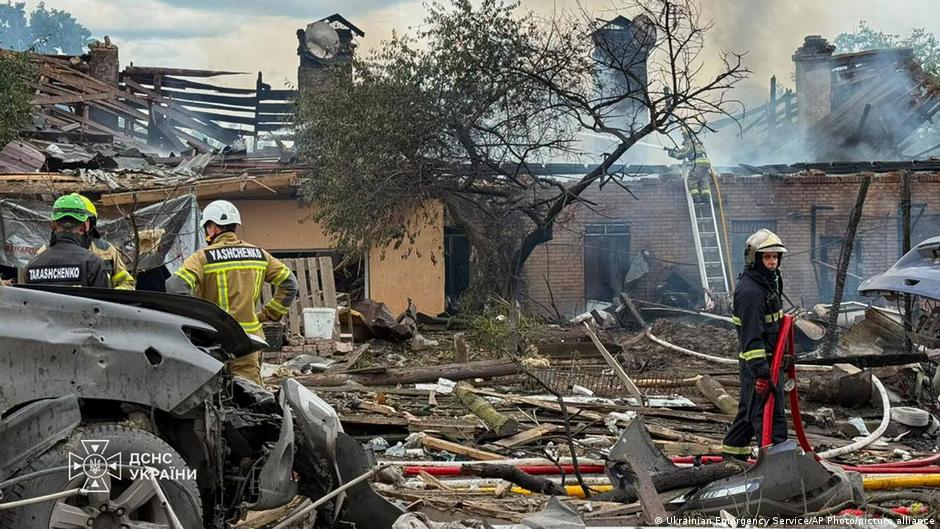
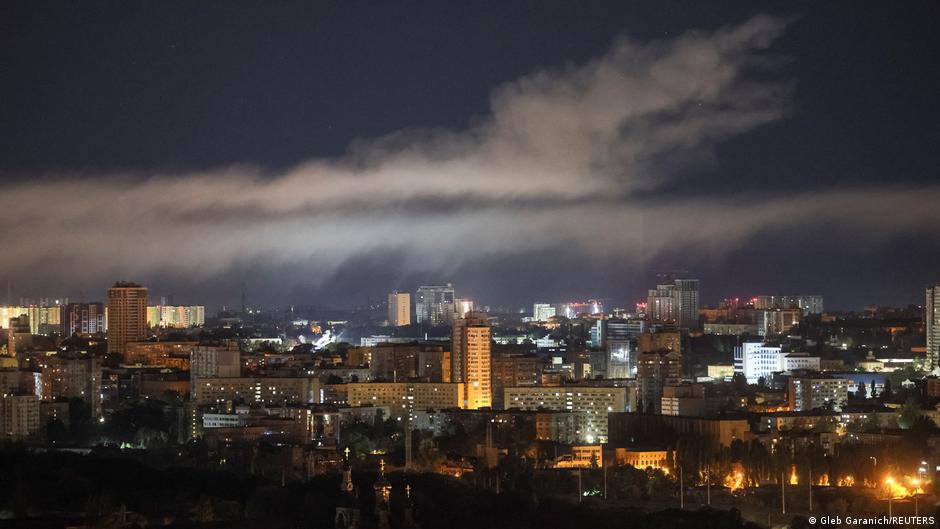
On July 24, the European Union announced it would summon the Russian permanent representative to the EU following a series of missile strikes by Russian forces targeting areas near Kyiv, including a private weapons exhibition and the honorary Latvian consulate in Sloviansk. The strikes, condemned by EU High Representative for Foreign Affairs and Security Policy Kaja Kallas as "indiscriminate," have sparked concerns among investors regarding potential escalations in geopolitical risk and their repercussions on capital markets.
Market Implications of Rising Geopolitical Tensions
The missile strike targeted a private weapons testing ground in Bucha district hosting an exhibition featuring drones and other unmanned systems. Ukrainian authorities reported ten fatalities and about one hundred injuries, underscoring the human toll behind the military escalation. Russia confirmed the strike, asserting that it targeted key developers and operators of Ukrainian drone systems allegedly planning attacks on Russian territory.
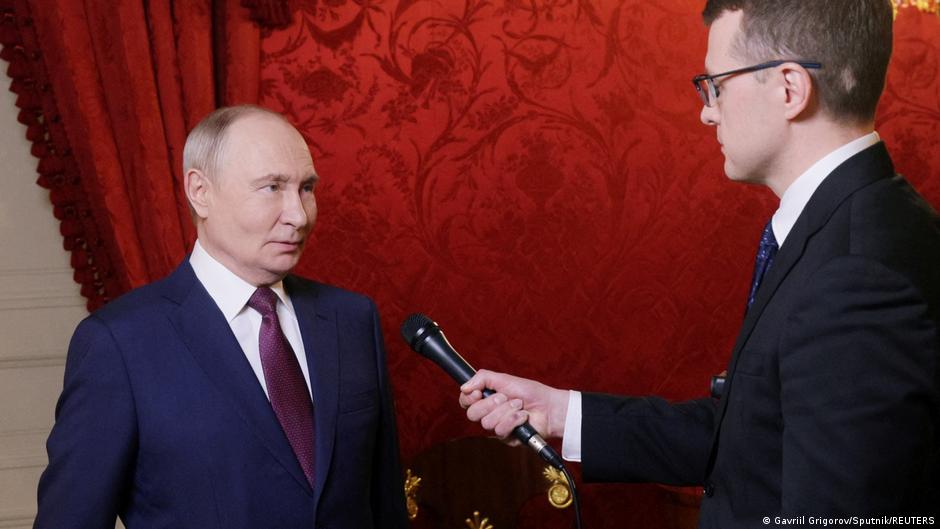
"In response, we will summon the Russian representative to the EU and propose expanding sanctions to include additional enterprises and structures within the Russian military-industrial complex," stated Kaja Kallas.
This move indicates the EU's intent to intensify economic pressures on Russia, particularly on its defense sector. For investors, this signals a likely expansion of sanctions, which could further strain Russian defense equities and associated bond markets, while also affecting global supply chains in related industries.
Ukrainian President Volodymyr Zelensky highlighted in an interview on the same day Ukraine's ambitions to develop drones with ranges up to 10,000 kilometers by 2027, with current UAVs capable of striking targets 3,000 kilometers away. He also announced plans to finalize agreements with the United States for drone manufacturing, including establishing production facilities in Ukraine. This development points to an emerging defense industrial base in Ukraine that could attract investor attention in the medium to long term.
The establishment of a "special command for long-range influence on Russia" within Ukraine's armed forces further underscores Kyiv's strategic emphasis on drone warfare as a key tool to pressure Russian military capabilities deep within its territory.
From a capital markets perspective, these escalating hostilities and the EU’s diplomatic and economic responses carry several implications:
- Equities: Heightened risk aversion may prompt sell-offs in Russian defense and industrial stocks due to anticipated sanctions and operational disruptions.
- Bonds: Russian sovereign and corporate bonds may face increased volatility and widening spreads amid sanctions and geopolitical uncertainties.
- Investor Sentiment: Global investors might reallocate portfolios toward defense technology firms in NATO countries or in Ukraine, anticipating increased demand for UAVs and related systems.
- Supply Chains: Sanctions expansion could disrupt supply lines for both Russian and international defense contractors, impacting stock valuations.
Investors should closely monitor official announcements regarding sanction lists and observe market reactions in real-time to navigate the evolving risk landscape effectively.