EU Initiates Quiet Contacts with Kremlin Amid Efforts to End Ukraine Conflict
European Council engages Kremlin in private talks, signaling potential shifts in geopolitical risk affecting markets.
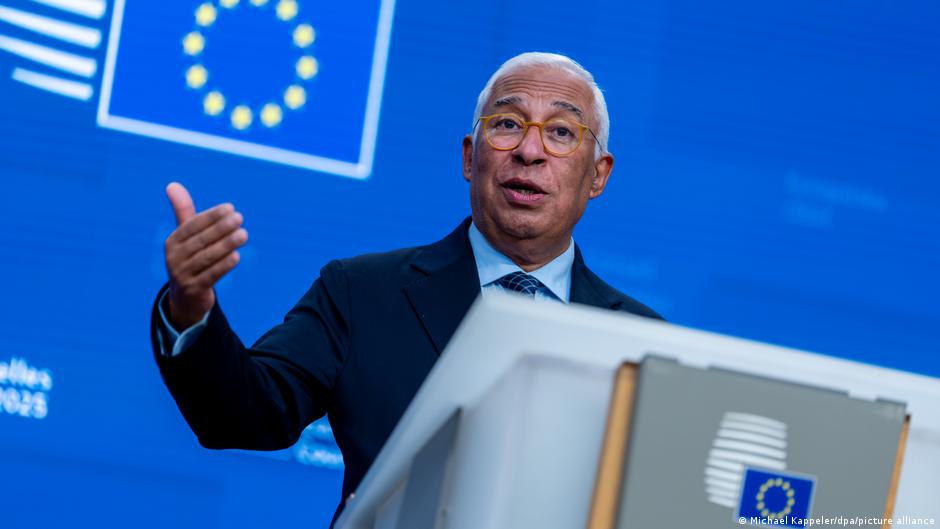
The European Union has reportedly initiated discreet communications with the Kremlin, aiming to pave the way for possible future negotiations to end the ongoing war in Ukraine. According to informed sources, the European Council President António Costa’s advisor held two telephone conversations with a senior Russian official closely associated with President Vladimir Putin.
Market Implications of EU-Kremlin Engagement
While neither the EU nor the Kremlin disclosed details regarding the timing or participants of these contacts, the move has significant implications for global capital markets. The possibility of diplomatic progress could alter investor sentiment across equities and bond markets, particularly in Europe and Russia.
"The evolving geopolitical landscape, marked by these confidential talks, could reduce uncertainty and potentially stabilize regional markets if progress toward peace materializes," analysts noted.
Earlier in May, Costa highlighted the EU’s preparation for potential negotiations with Russia, emphasizing coordination among European leaders to formulate a coherent strategy. This preparatory approach reflects cautious optimism about engaging with Putin, underscoring the complex interplay between diplomacy and market dynamics.
Separately, Germany, France, and the United Kingdom—Europe’s three largest economies—have been independently exploring strategies to bring President Putin to the negotiating table. EU officials believe that stalled Russian military advances, intensified Ukrainian counteroffensives, and mounting economic costs for Moscow might create incentives for Russia to consider peace talks.
From a capital markets perspective, these developments could influence risk assessments, affecting equity valuations and bond yield spreads in affected regions. Investors closely monitor geopolitical risk factors, which often lead to volatility spikes and shifts in capital flows. A tangible move toward de-escalation may restore investor confidence, benefiting European equities and reducing yields on sovereign and corporate bonds due to perceived lower risk.
However, the lack of official confirmation and the opaque nature of the conversations inject continued uncertainty. Market participants remain vigilant, balancing the potential upside from diplomatic breakthroughs against the risks of prolonged conflict and geopolitical instability.
In summary, the EU’s quiet outreach to Moscow signals a tentative but significant shift in diplomatic engagement, with substantial implications for capital markets. Investors should monitor these developments closely as they could influence regional market dynamics and global risk sentiment.