Russian Drone Attacks Raise Alarm in Kyiv Amid Ongoing Conflict, Impacting Market Sentiment
Multiple drone incursions over Kyiv and surrounding regions highlight escalating tensions with potential effects on capital markets and investor confidence.
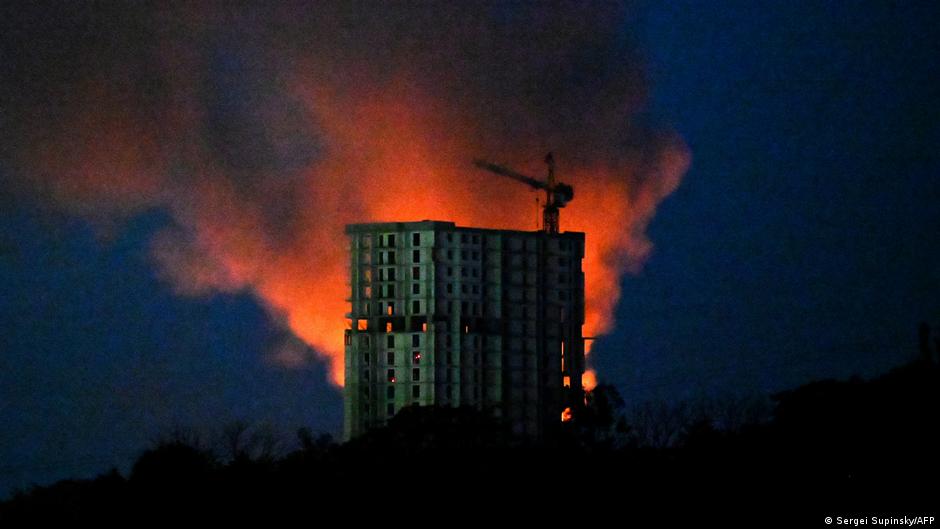
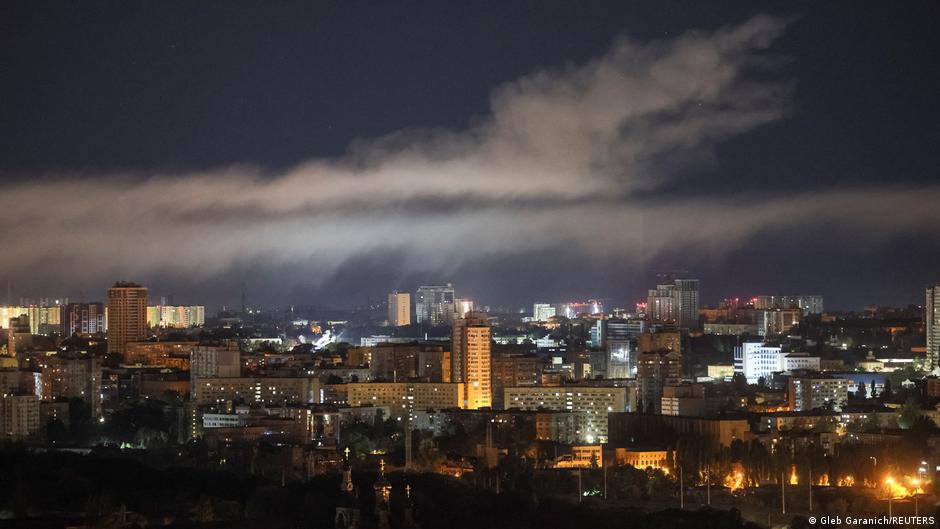
On the night of June 7, Kyiv experienced multiple air raid alerts due to Russian unmanned aerial vehicle (UAV) activity, signaling heightened military tensions that are reverberating through capital markets. Ukrainian Air Forces reported drone flights originating from Chernihiv region heading toward Brovary in Kyiv Oblast, as well as UAVs approaching Kyiv from the east.
The repeated alerts underscore the risk profile investors face in Ukraine's security environment. Additionally, concerns were raised over potential ballistic missile threats from Russia's Bryansk region.
Escalating Military Activity and Market Implications
Beyond Kyiv, the air raid warning remained active at 05:00 local time in multiple oblasts including Chernihiv, Sumy, Kharkiv, and Zaporizhzhia. Ukrainian forces also reported strikes involving Russian tactical aviation deploying guided bombs in the Donetsk region. This surge in military operations is part of a broader Russian strategy targeting transportation logistics between Kharkiv and Sumy, specifically near Bohodukhiv, approximately 20 kilometers from the border.
"Unfortunately, the importance of attacks on logistics is recognized not only by us," noted Ukrainian defense advisor Sergey Beskrestnov.
These developments present risks to regional stability and economic activity, with potential consequences for Ukrainian equities and sovereign bonds that investors monitor closely amid conflict-related volatility.
In parallel with the military dynamics, political leaders from Germany, France, and the United Kingdom are scheduled to meet Ukrainian President Volodymyr Zelensky in London on June 7. The summit aims to invigorate diplomatic efforts to end the war and explore prospects for renewed negotiations with Russia, which could influence risk assessments and market confidence.
Military reports indicate that on June 6 alone, Russian forces launched 272 strike drones, including Shahed, Gerbera, Italmas, and Banderol loitering munitions, as well as Parodiya decoy drones. By 08:00, Ukraine's air defense systems had intercepted 249 drones across the north, south, and east. Nevertheless, 19 drones struck 11 locations, and debris was found in 13 others.
For investors, these ongoing attacks underscore the elevated security risks affecting Ukraine's economic outlook. Bond spreads and equity prices may remain sensitive to such escalations, while investors watch diplomatic developments as potential catalysts for market stabilization or further volatility.