Mass Desertions Among Ukrainian Soldiers in Germany Raise Concerns for European Capital Markets
Hundreds of Ukrainian military personnel have deserted training programs in Germany since 2022, impacting investor sentiment and defense sector equities.
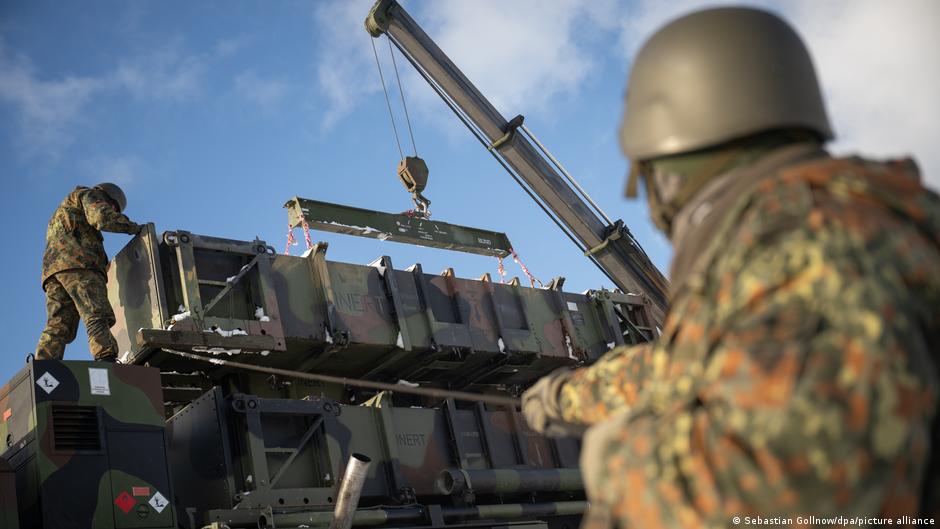
Since 2022, hundreds of Ukrainian soldiers undergoing military training courses in Germany have deserted their units, according to recent reports. German federal state Saxony-Anhalt alone recorded over 80 such desertions, highlighting a growing challenge with potential implications for European capital markets and defense-related investments.
Market Reactions and Investor Implications
The mass desertions occur amid the ongoing conflict in Ukraine, where around 29,000 Ukrainian soldiers and officers have completed German-led training sessions since February 2022. Originally, these courses attracted highly motivated and battle-experienced personnel. However, recent waves increasingly include recruits with little combat experience and low morale, leading to higher rates of unauthorized absences.
From a capital markets perspective, this phenomenon raises concerns for defense contractors and European governments involved in military aid programs. Investors have begun reassessing the stability and effectiveness of such training initiatives, which underpin supply contracts and long-term military collaboration agreements. The uncertainty surrounding troop readiness could pressure equities linked to defense manufacturing and related bond issuances.
"The desertions not only reflect morale issues within Ukrainian forces but also introduce operational risks that investors must consider when evaluating defense sector prospects in Europe."
Furthermore, the legal status of these soldiers complicates matters. Ukrainian law classifies unauthorized absences as desertion, punishable by up to 12 years in prison. Unlike Ukrainian civilians seeking refuge, these soldiers do not qualify for temporary protection in Germany, limiting their legal options and heightening geopolitical tensions.
For bondholders and equity investors, the desertions signal a shift in the risk profile of military aid and training programs. Defense firms that rely on these contracts may face increased scrutiny, influencing share prices and credit ratings. Additionally, governments funding such programs may adjust budgets or policies, impacting fiscal outlooks and sovereign bond markets within the European Union.
In sum, the desertions highlight a broader challenge for capital markets: balancing geopolitical risk with investment opportunities in sectors tied to ongoing conflicts. Investors should closely monitor developments within the Ukrainian military training environment and European defense collaborations to gauge potential market impacts.