Wage Disparity Between German and Foreign Workers in Germany Hits 23.6% in 2025
Median wages show a persistent 23.6% gap between Germans and foreign full-time employees, impacting labor market dynamics and investor outlooks.
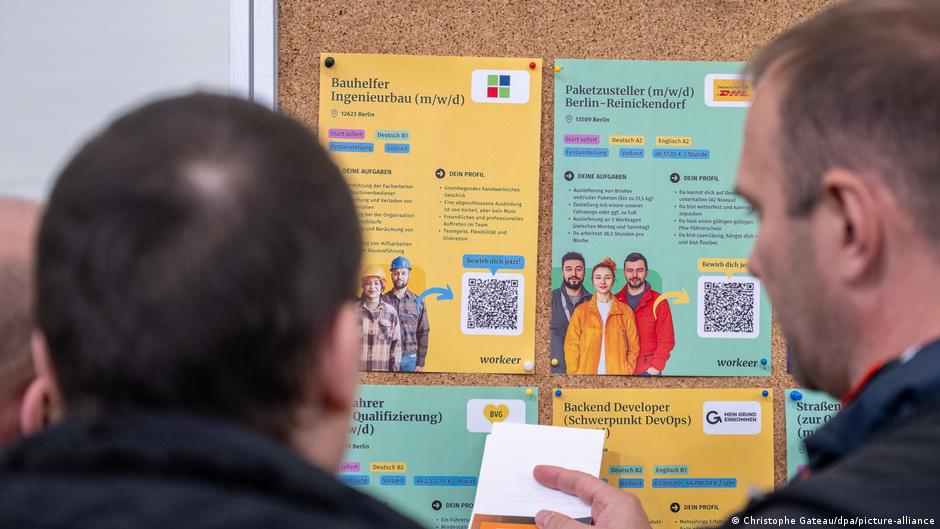
Germany's labor market reveals a sustained wage gap between native and foreign workers, with the median monthly salary for Germans reaching 4,396 euros compared to 3,358 euros for foreigners by the end of 2025. This 23.6% discrepancy, highlighted by the Federal Ministry of Labor and Social Affairs (BMAS), reflects ongoing disparities affecting workforce composition and potentially influencing capital market sentiment.
Labor Market Wage Gap and Its Implications
The reported wage difference aligns closely with figures from previous years, ranging between 23.1% and 25.5% since 2020. Despite overall growth in median wages for both Germans and foreign workers, the gap remains indicative of structural labor market segmentation. Notably, 30.6% of foreign full-time employees were engaged in low-paid jobs in 2025, compared to only 12.3% of German full-time workers.
The Institute for Employment Research (IAB) attributes much of the wage disparity to the tendency of foreigners to be employed less frequently in high-paying sectors or positions.
Education and professional qualifications significantly influence earnings. In 2025, workers without formal qualifications earned a median salary of 3,133 euros. Those with recognized vocational qualifications saw median wages of 4,069 euros, while university graduates earned substantially higher at 6,146 euros.
For investors and capital market participants, these wage trends have indirect yet notable implications. Persistent wage gaps can affect consumer spending patterns, labor productivity, and ultimately corporate earnings across sectors. Companies heavily reliant on migrant labor in lower-paid roles may face pressures regarding wage policies and talent acquisition costs.
Bond markets may also react to shifts in labor market dynamics as wage disparities influence inflation expectations and monetary policy outlooks. A segmented labor market with significant low-wage employment could dampen aggregate wage growth, impacting inflation trajectories and central bank policy decisions.
Equities in sectors characterized by higher foreign labor participation, such as manufacturing, logistics, and services, might experience varying investor sentiment depending on how wage gap trends evolve and influence operational costs.
Overall, the persistent wage disparity underscores the importance of monitoring socio-economic factors alongside traditional financial indicators when assessing Germany's investment landscape.