Russian Military Strikes in Ukraine Trigger Market Uncertainty Amid Rising Security Concerns
Recent missile and drone attacks in Kharkiv and Odessa escalate risks, impacting investor sentiment in regional capital markets.
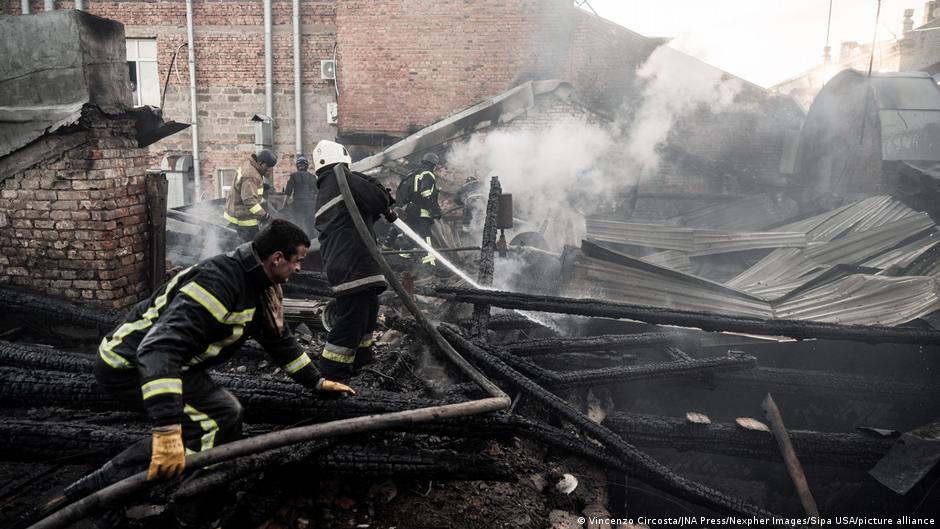
Russian military strikes have intensified in Ukraine, with missile and drone attacks hitting civilian infrastructure in Kharkiv and Odessa regions. These developments are causing increased volatility in regional capital markets as investors reassess geopolitical risks and their implications for equities and bonds.
Details of the Strikes and Immediate Effects
On June 21-22, a Russian unmanned aerial vehicle (UAV) struck a high-rise residential building in the Shevchenkivskyi district of Kharkiv, setting part of the façade ablaze near the 22nd floor. Fortunately, no casualties were reported, and the fire was quickly extinguished. Meanwhile, a ballistic missile strike using an "Iskander" missile targeted an agricultural enterprise in the Odessa district, resulting in one fatality and three injuries. The attack caused a fire among automotive equipment and fuel tanks and destroyed a warehouse facility. Emergency services remain active in the area managing the aftermath.
"The missile impact was recorded on the façade of a high-rise building at the 22nd-floor level," noted Kharkiv's mayor, highlighting the close proximity to civilian populations.
These events underscore the persistent security challenges in the region, contributing to heightened risk perceptions among investors with exposure to Ukrainian assets.
Investor Implications and Market Reactions
The escalation of military actions has led to increased market volatility, particularly affecting Ukrainian equities and sovereign bonds. Investors remain cautious as the risk premium on Ukrainian government debt rises, reflecting concerns over potential disruptions to economic activity and asset security. Equities in sectors linked to agriculture and infrastructure have experienced downward pressure following the strikes, given the direct damage to productive assets and logistic networks.
Furthermore, Ukraine's recent agreement with Germany for the procurement of 600 anti-aircraft missiles signals a strategic enhancement of its air defense capabilities. While this defense boost may improve long-term stability prospects, in the short term, the ongoing conflict continues to weigh on investor confidence.
Market participants are closely monitoring developments, factoring in the potential for further military engagements and their impact on regional financial markets. The interplay between geopolitical risk and economic fundamentals remains a key theme influencing capital flows and asset valuations.
In sum, the recent Russian attacks have intensified the security situation in Ukraine, translating into tangible effects on investor sentiment and market dynamics. Stakeholders in the capital markets are advised to remain vigilant and consider geopolitical risks in their portfolio strategies.