Western Governesses Educate Putin’s Alleged Children Amid Opaque Financial Flows
Foreign language tutors employed for Putin and Kabayeva’s children reveal costly private education arrangements impacting Russia’s elite spending patterns.
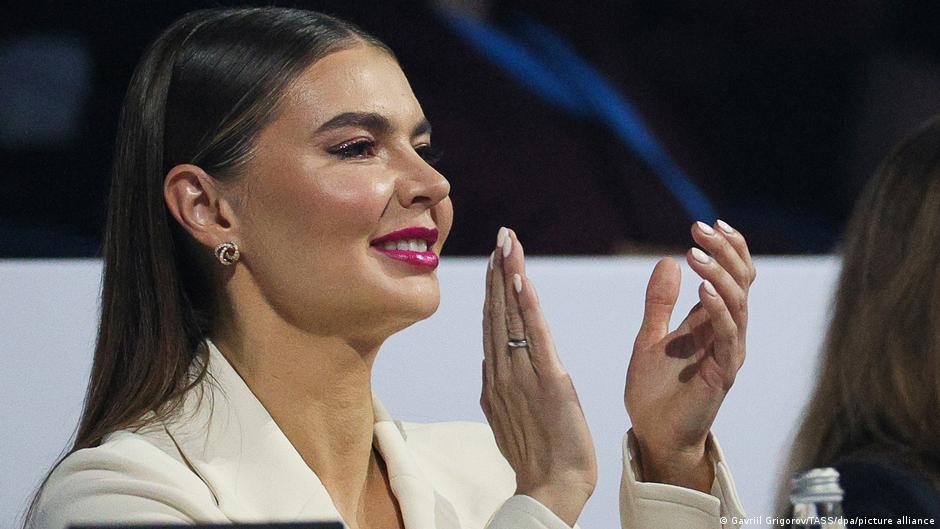
Investigations have revealed that the alleged children of Russian President Vladimir Putin and Olympic champion Alina Kabayeva are educated by foreign governesses specializing in English and German languages. According to a detailed inquiry conducted by the "System" project, these tutors hail from Western countries including the United Kingdom, New Zealand, Germany, Austria, and Ireland, and their annual remuneration runs into hundreds of thousands of dollars.
Between 2017 and 2026, roughly 20 such foreign specialists have been engaged to provide exclusive language instruction. Notably, in January 2026 alone, expenditures on salaries for three governesses reportedly reached no less than 3.5 million rubles. This private education setup for the president’s alleged offspring indicates a significant financial commitment within Russia’s elite circles.
Market Implications of Elite Private Spending
The governesses were officially registered as "lead translators" with the Institute of Professional Retraining at the International Medical Center "Sogaz," a designation that facilitates their visa acquisition and work permits in Russia under the "highly qualified specialist" category. This arrangement suggests a carefully structured use of institutional frameworks to channel funds and resources.
Management of these foreign educators is reportedly conducted by Alina Kabayeva’s cousins, Olesya Fedina and Ekaterina Golovacheva, who organize hiring and logistics for the tutors. Intriguingly, official documents avoid directly naming Putin or Kabayeva, referring to the children only as "wards." One document from 2019 includes the name Ivan Fedin, although this does not correspond to Fedina’s known family members, further shrouding the operation in confidentiality.
"By the age of four, Ivan should be immersed in a ‘language bath’ to ensure his English resembles that of an educated European," Fedina reportedly instructed tutors in 2019.
Such explicit language proficiency goals underline the high expectations and standards set for the educational upbringing of these children. Tutors were also subjected to strict behavioral guidelines while residing at the presidential residence in Valdai, where they lived alongside the children. They were required to maintain good health, complete regular medical examinations, and avoid imposing personal religious, political, ideological views or addressing topics such as sexuality or LGBTQ+ issues during instruction.
This private educational expenditure offers investors and market watchers insights into patterns of elite consumption in Russia, which contrast with broader domestic economic challenges. While public markets and government bond trends reflect macroeconomic and geopolitical pressures, the continuing high-level private spending by the ruling class underscores persistent wealth concentration and the use of complex financial structures.
Although most of the implicated individuals, including Fedina, Golovacheva, Kabayeva’s representative, and Kremlin spokesperson Dmitry Peskov, declined to comment when approached, the revelations contribute to understanding the financial behaviors underpinning Russia’s elite. Such expenditures, often shielded from public scrutiny, can impact capital flows, currency demand, and investor perceptions of transparency within Russian markets.
For investors, these findings emphasize the importance of assessing not only macroeconomic indicators but also the socio-political dynamics that influence capital allocation and risk in Russian equities and fixed income. The opaque nature of elite spending and its integration with official institutions may affect market stability and investor confidence, especially amid sanctions and geopolitical tensions.