EU Delays Appointment of Negotiator with Russia Amid Strategic Sanctions Planning
The European Union opts to hold off naming a Russia negotiator to focus on sanctions and strategy, impacting market sentiments and investor outlooks.
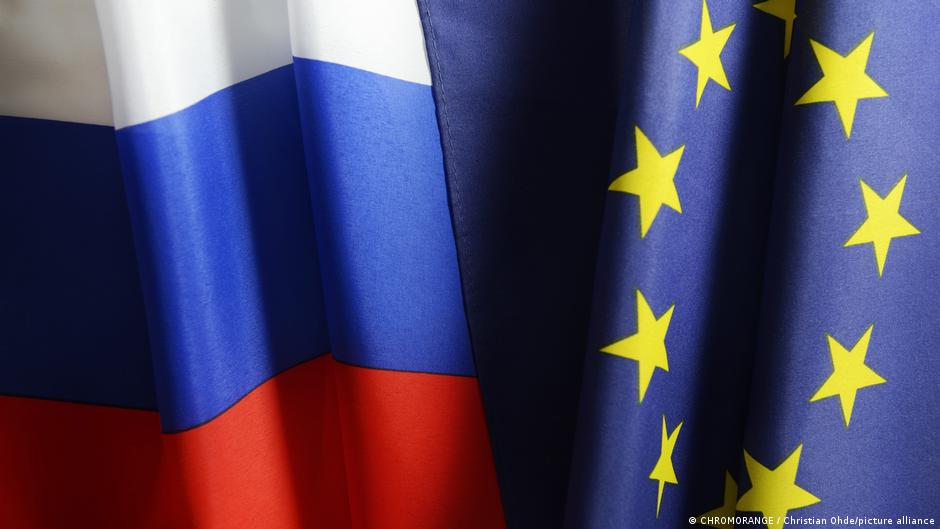
The European Union has decided not to appoint a representative to negotiate an end to the war in Ukraine at this time. EU officials emphasized the need to first develop a clear strategy and define the negotiation agenda with Russia before proceeding with any formal talks.
According to reports from May 28, senior EU officials, including the High Representative for Foreign Affairs and Security Policy, have deemed it premature to designate a specific negotiator. Leading EU countries, such as Germany, share this view, arguing that the Union must first clarify the exact topics and objectives for any potential dialogue with Moscow.
Sanctions as the Primary Leverage Against Russia
EU policymakers are confident that enhanced sanctions pressure will be essential in compelling Russian President Vladimir Putin to engage meaningfully at the negotiating table. On the same day, the European Commission and the European External Action Service (EEAS) presented a draft of the 21st sanctions package targeting Russia. The package is expected to focus primarily on the financial sector and key suppliers to Russia's defense industry.
"We need to agree first on what exactly we want to discuss with Russia," noted a senior EU official, underscoring the Union's measured approach.
These developments have created a cautious atmosphere in capital markets. Investors are closely watching the EU's sanctions trajectory, aware that intensified measures could increase economic pressure on Russia but also risk disrupting global supply chains and financial markets.
Potential Negotiators and Political Dynamics
There has been active discussion within the EU and its member states regarding the appointment of a special representative for potential negotiations with Russia. High-profile candidates previously considered include former European Central Bank President Mario Draghi, former German Chancellor Angela Merkel, and Finnish President Sauli Niinistö.
President Putin has expressed a preference for former German Chancellor Gerhard Schröder, known for his close ties to Moscow. However, both the current German government and EU representatives have rejected Schröder as a candidate. German Chancellor Friedrich Merz firmly stated, "We Europeans decide who speaks on our behalf. No one else." This stance reflects the EU's insistence on maintaining control over its diplomatic initiatives and messaging.
From a market perspective, the EU’s decision to delay appointing a negotiator signals an ongoing reliance on sanctions as the primary tool to influence Russia. Equity and bond markets in the region are likely to remain volatile, responding to the evolving geopolitical landscape and the implications of an expanding sanctions regime. Investors should prepare for sustained uncertainty, particularly in sectors linked to energy, finance, and defense.
In conclusion, the EU's cautious approach to negotiations, combined with the forthcoming sanctions package, underscores a strategic prioritization of economic pressure over immediate diplomatic engagement. This complex interplay will continue to shape investor sentiment and market behavior in the near term.