Over 8.4 Million Ukrainians Live Abroad Amid War, Impacting Capital Markets and Investor Sentiment
With a significant population shift due to conflict, Ukraine’s demographic changes affect market dynamics and investment outlooks.
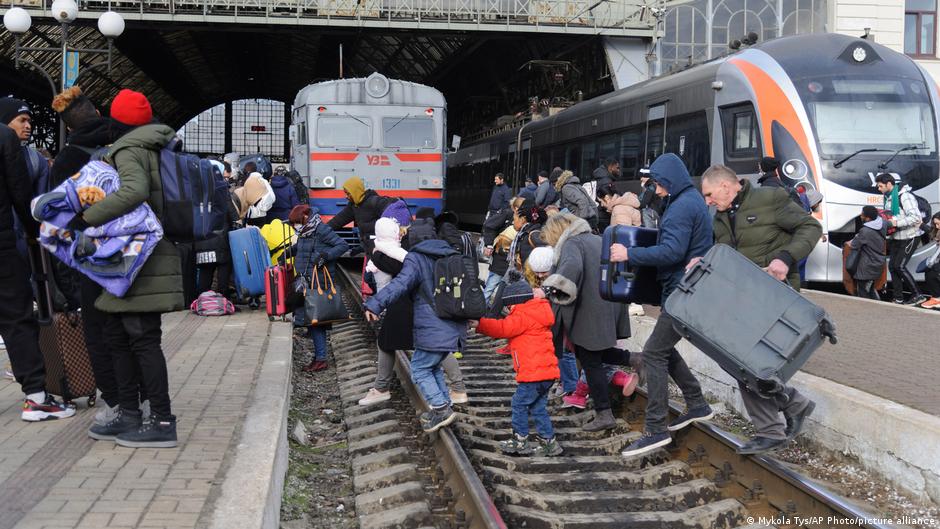
More than 8.4 million Ukrainians currently reside outside the country, signaling a major demographic shift with implications for capital markets and investors. Dmitry Lubinets, Ukraine’s human rights ombudsman, revealed this figure on August 4, 2026, during an annual meeting of foreign diplomatic mission leaders. This population movement comes amid the ongoing conflict in Ukraine, which continues to shape economic and investment landscapes.
Demographic Changes and Market Reactions
Ukraine’s population has undergone drastic changes since the onset of conflict in 2014 and the full-scale invasion in 2022. The National Academy of Sciences of Ukraine recently estimated that around 27 to 28 million people now reside in government-controlled territories, down from over 41 million before the invasion, excluding annexed Crimea and occupied regions of Donetsk and Luhansk.
These demographic shifts have significant repercussions for Ukraine’s capital markets, particularly equities and bonds. A shrinking domestic market and workforce reduce economic growth potential, affecting corporate earnings and government revenue. Consequently, investor confidence in Ukrainian sovereign and corporate debt remains volatile, with risk premiums elevated amid ongoing conflict and population displacement.
European statistics further highlight the scale of displacement. Eurostat reported in July 2026 that 4.38 million Ukrainians held temporary protection status in the European Union, with the largest groups in Germany (1.283 million), Poland (967,500), and Spain (267,400). This diaspora influences remittance flows and foreign investment dynamics, as overseas Ukrainians maintain financial ties and economic interests in their home country.
"More than 8.4 million of our citizens are outside Ukraine today. Our duty is to ensure that each of them knows Ukraine remembers and will protect their rights," Lubinets wrote on Telegram.
Investor sentiment is closely tied to such statements, reflecting concerns about long-term population stability and economic recovery. The uncertainty regarding when reliable national population data will be available—estimated 1.5 to 2 years post-conflict—adds to market caution.
Impact on Equities and Bonds
For equity markets, the outflow of population creates challenges for consumer demand and labor supply, both critical for corporate performance. International investors scrutinize how these demographic trends affect sectors such as retail, real estate, and banking, which rely heavily on domestic consumption and workforce availability.
In Ukraine’s bond markets, sovereign issuances face fluctuating risk assessments as war and demographic changes undermine fiscal stability. The government’s ability to service debt depends on broader economic recovery, which is impeded by mass displacement and shrinking tax bases. This drives yields higher and impacts secondary market liquidity.
Capital markets participants also monitor policies aimed at diaspora engagement and economic incentives to encourage return migration or investment from abroad, which could help stabilize the market outlook over time.
The enduring conflict, combined with demographic and economic pressures, makes Ukraine a complex environment for investors seeking exposure to emerging European markets. Market players remain attentive to official data releases and geopolitical developments that will influence risk and return profiles.