Former German Foreign Minister Annalena Baerbock to Join Columbia University Faculty in New York
Annalena Baerbock will take a practical teaching role at Columbia University after completing her term as UN General Assembly President, signaling a new phase in her career.
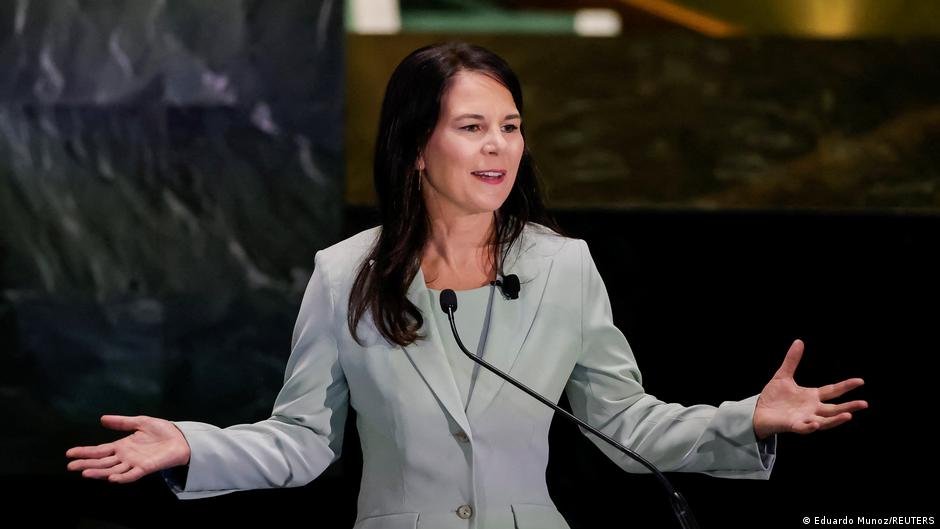
Former German Foreign Minister Annalena Baerbock is set to become a faculty member at Columbia University in New York following the conclusion of her tenure as President of the United Nations General Assembly (UNGA). This move marks a shift from high-profile international diplomacy to academia, with potential indirect implications for market observers interested in geopolitical expertise within the U.S. capital markets environment.
Baerbock’s Transition and Role at Columbia
According to reports, Baerbock will serve as co-director of the Master of Public Administration in Global Leadership program at Columbia’s School of International and Public Affairs (SIPA). This position is a practice-oriented professorship rather than a traditional research role, emphasizing leadership and applied knowledge over academic research. Her appointment is for three years, during which she will also function as a guest lecturer and public speaker.
Baerbock assumed the presidency of the UNGA in September 2023, a one-year rotating position that is traditionally not renewed consecutively due to United Nations internal rules and regional rotation policies. In early September 2024, her duties will pass to Bangladesh’s Foreign Minister, Abdul Hamid Khalilur Rahman.
"I like the move to New York because I can immerse myself in the city's diversity, which sometimes brings me great relief," Baerbock had commented about relocating from Germany to New York during her UN term.
Market Perspective: Geopolitical Influence Meets Academia
Baerbock’s pivot from government and international diplomacy to academia may appear peripheral to capital markets at first glance. However, her expertise in global leadership and foreign policy could offer valuable insights into geopolitical risks that influence market sentiment, especially for international equities and bond investors.
Institutions like Columbia University often serve as hubs for thought leadership where policymakers, academics, and market participants converge. Baerbock’s presence may facilitate enhanced dialogue on topics such as transatlantic relations, global governance, and climate policy — all areas with potential market impact.
Her predecessor in German foreign affairs, Joschka Fischer, took a similar path after his ministerial career, transitioning to academia at Princeton University and later advisory roles in the private sector, including Siemens AG. Fischer’s engagement with international infrastructure and energy projects, such as the Nabukko pipeline consortium, underscores how former policymakers can influence sectors critical to investors.
For investors tracking the interplay between geopolitics and markets, Baerbock’s new role may signal increased availability of expert analysis on global risks and leadership strategies, which can inform investment decisions in sectors vulnerable to international policy shifts.