Kyiv Mayor Urges Temporary Departures as Russian Strikes Raise Market Risks
Vitali Klitschko warned residents with options outside the capital to leave temporarily as intensified Russian attacks threaten essential services.
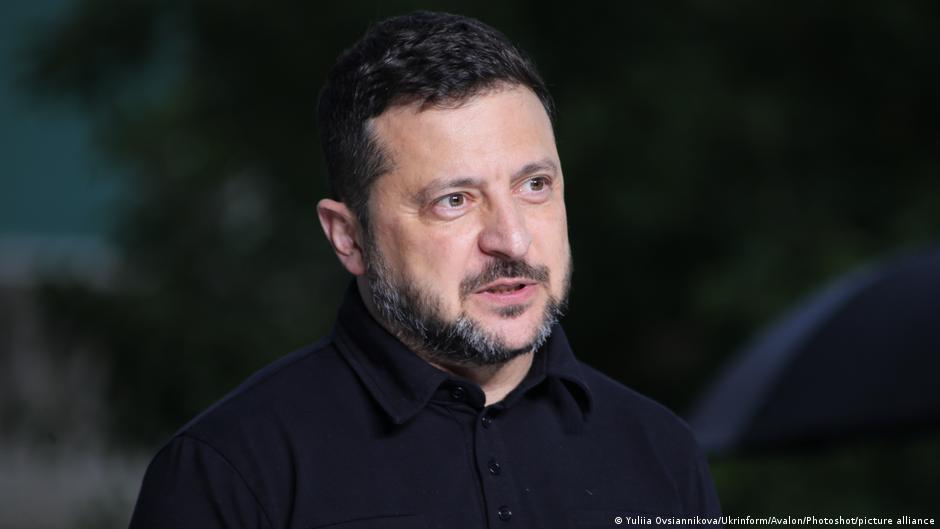
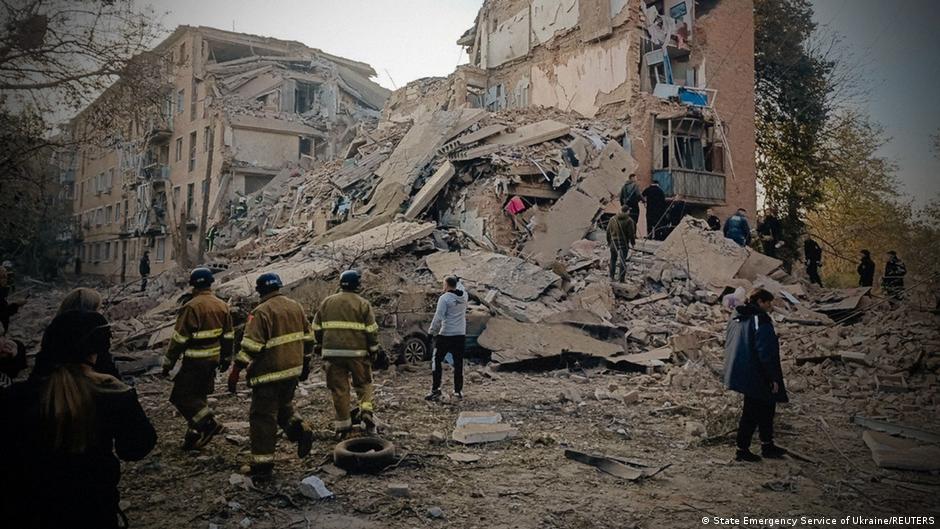
Kyiv Mayor Vitali Klitschko has advised residents who have friends or relatives outside the Ukrainian capital to consider leaving the city temporarily, warning that intensified Russian attacks have turned daily life into a question of survival. His remarks, made in an interview with AFP published on Wednesday, October 8, come as investors continue to assess how renewed pressure on Ukraine’s capital could affect regional risk, infrastructure resilience and the broader wartime economy.
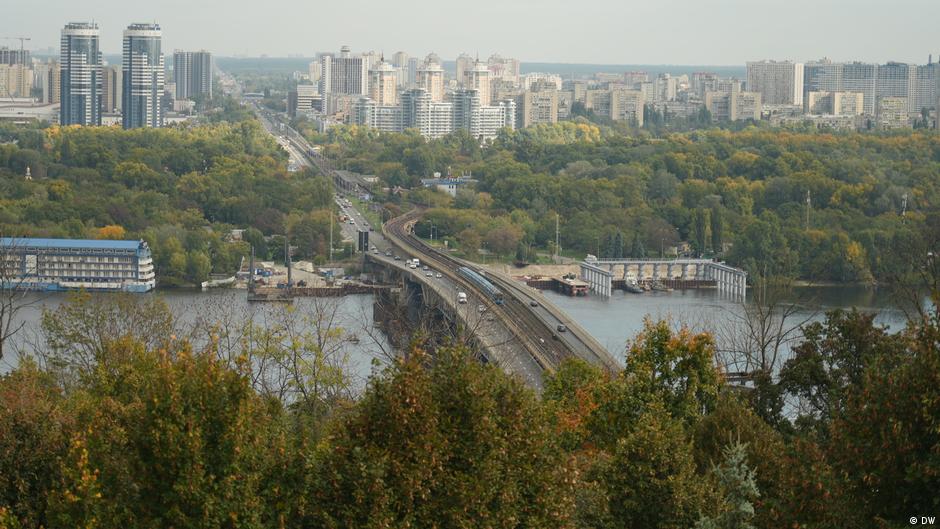
For capital markets, the warning is significant not because it signals a formal evacuation order, which Klitschko explicitly said he was not issuing, but because it highlights the vulnerability of urban infrastructure at a time when Russia has stepped up strikes on energy, communications, railway facilities and, in early October, bridges across the Dnipro River linking Kyiv’s right and left banks. Those bridges had not previously been targeted, according to the source report.
“Today it is about survival,” Klitschko said, describing rising reports of damaged buildings, injuries and deaths as shelling of the city intensifies.
Klitschko warned that if Russian attacks disrupt Kyiv’s water supply system, the city could face a crisis of a “fairly large” scale. That prospect matters for investors tracking Ukraine-linked sovereign risk, reconstruction financing and European security exposure. Damage to utilities, transport nodes and communications infrastructure can deepen fiscal pressure, complicate logistics and increase the cost of maintaining public services through the winter.
Infrastructure Risk Moves Back to the Center
The mayor said Kyiv authorities are building backup heating systems for the winter and accumulating fuel, food and drinking water. Still, he cautioned that even strong preparation by officials and residents may not be enough if air defense systems fail. In that case, he said, Kyiv could face a bad scenario.
That message is likely to reinforce investor attention on defensive capacity and infrastructure protection. In practical market terms, repeated strikes on energy and transport assets can weigh on confidence in Ukraine’s near-term economic stability, even when external financing remains the central anchor for the state. The warning also speaks to a familiar wartime pattern: when critical infrastructure becomes the target, the market lens shifts from battlefield lines to the durability of the economy’s operating base.
For equities, direct listed exposure to Ukraine remains limited for many global investors, but the conflict continues to affect sentiment across European defense, energy, logistics and reconstruction-related sectors. Companies tied to power systems, rail equipment, engineering, cybersecurity and military supply chains may remain in focus as Kyiv prepares for another winter under attack. At the same time, investors typically become more cautious toward assets exposed to regional disruption, higher insurance costs or vulnerable transport corridors.
Bond investors are likely to read Klitschko’s comments through the lens of sovereign and quasi-sovereign risk. Ukraine’s ability to maintain essential services in major cities is central to its economic continuity, domestic confidence and the credibility of longer-term recovery planning. The mayor’s warning does not by itself change debt fundamentals, but it underlines the operational risks that sit behind any assessment of Ukraine’s wartime financing needs.
No Call for Full Evacuation
Klitschko stressed that he was not calling for a complete evacuation of Kyiv. He framed mass departure as an outcome that would serve Russian President Vladimir Putin’s objectives.
“That is Putin’s goal. The best scenario for him is for all of us to leave and give him our empty cities and the entire country,” Klitschko said.
The distinction is important. A temporary relocation recommendation for residents with options elsewhere is different from an official order to empty the capital. For markets, that difference matters because evacuation language can quickly influence perceptions of state capacity, workforce availability and the continuity of commercial activity. Klitschko’s message was more calibrated: residents who can reduce pressure on the city may do so, while authorities continue preparing for winter rather than abandoning the capital.
Russia intensified attacks on Kyiv in September, according to the source report. In early October, Russian forces began striking bridges across the Dnipro, which connect the two sides of the city. Targets have also included energy and communications facilities and railway infrastructure. The expansion of target categories suggests Moscow is seeking to increase pressure on the functioning of Kyiv itself, rather than limiting attacks to military or peripheral objectives.
On October 3, Ukrainian President Volodymyr Zelensky said Russia had adopted a new strategy of airstrikes intended to force Ukrainians to leave Kyiv and other major cities. Klitschko’s comments fit that assessment, presenting the current wave of attacks as part of a broader attempt to undermine urban life and morale.
For investors today, the immediate takeaway is that infrastructure risk in Ukraine remains acute and could become more visible as winter approaches. Markets will watch whether attacks disrupt water, heat, power, communications or transport in ways that increase humanitarian pressure and fiscal strain. They will also monitor the role of air defense, which Klitschko identified as a decisive factor in whether Kyiv’s preparations are enough.
The broader capital markets picture remains one of headline sensitivity. Escalation around Kyiv can influence European risk appetite, defense-sector expectations and energy-security assumptions, even when the direct market channels are uneven. Klitschko’s warning adds another layer to that risk map: Ukraine’s capital is preparing for winter under heavier attack, and investors are being reminded that infrastructure resilience is now a core variable in the country’s economic outlook.