Ukraine Strike Toll Reaches 28 as Investors Weigh Escalation Risks
A large Russian missile and drone attack killed 28 people in Ukraine, adding geopolitical pressure for markets tracking sanctions, energy and risk assets.
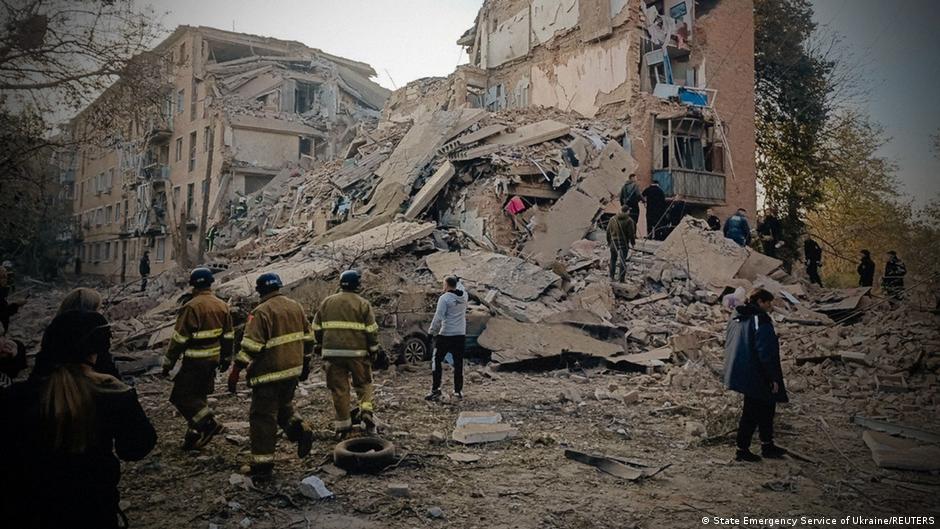
A large Russian attack using missiles and drones killed 28 people in Ukraine, Ukrainian Interior Minister Ivan Vyhovsky said, in an escalation that investors are likely to read through the lenses of sanctions risk, energy flows and broader European security exposure.
Vyhovsky said on his Telegram channel on Wednesday evening, October 7, that 28 people had died after the mass shelling by Russian forces. According to him, emergency service workers and police officers were able to pull people from rubble, evacuate them from destroyed buildings and rescue them from fire. In total, 29 people were extracted, evacuated or saved. The minister added that debris-clearing work had continued for more than 14 hours in Pryluky, where a missile hit a residential apartment building.
Ukrainian President Volodymyr Zelensky said the same evening that 100 people were wounded in the attacks. He described the strike as combined, involving many ballistic missiles, many cruise missiles and Shahed drones, and said further strikes by Shaheds and aerial bombs followed during the day.
“The strike was combined: many ballistic missiles, many cruise missiles, Shaheds,” Zelensky said, adding that children and civilians had been killed.
For capital markets, the immediate implications are less about a single trading session than about the persistence of geopolitical risk around Europe’s eastern flank. Investors in European equities, sovereign bonds, defense stocks, energy-linked assets and currencies have had to repeatedly price the war as a recurring risk factor rather than a contained event. A strike reported across 13 Ukrainian regions reinforces that the conflict remains capable of producing sudden headlines that can alter sentiment toward risk assets.
Sanctions and Energy Remain Central Market Channels
Zelensky used the attack to press Western leaders not to stay silent. He said Russia, in his view, intends to continue moving toward escalation, killings and shelling. He also argued that Russian President Vladimir Putin does not feel that this course is creating problems for him.
The Ukrainian president linked that assessment directly to sanctions policy. He said that through the “weakening” of sanctions measures against Russia and signals about lifting sanctions from oligarchs, Moscow is receiving what he described as signals of normalization of the war against Ukraine. Zelensky said Putin can still sell oil and that, when he counts profits in dollars and euros, the war still pays off and remains profitable for him to wage.
That argument goes to the core of a market debate that has persisted since the full-scale invasion: whether sanctions and energy restrictions are tight enough to affect Russia’s financial capacity, and how any tightening or loosening might feed through to oil prices, inflation expectations, European industrial margins and government bond yields. Investors are likely to monitor whether the latest attack adds political pressure for tougher sanctions, particularly on energy revenues and individuals connected to Russia’s economy.
Zelensky said the matter is not only a problem for Ukraine and its people, but for everyone in Europe and the Western world. For portfolio managers, that framing keeps the conflict within the broader macro risk set: fiscal spending on defense, pressure on energy supply chains, potential inflation shocks and the safe-haven response in bond markets.
Regional Damage Adds to Security Premium
In the same post, Zelensky said debris removal continued throughout the day after a Russian missile strike on the city of Pryluky in the Chernihiv region. Vyhovsky said 20 people died there, including five children, three of whom were one year old.
Vyacheslav Chaus, head of the Chernihiv regional military administration, had earlier reported more than 50 injured as a result of the attack. Zelensky said Russian forces attacked 13 regions of Ukraine on October 7, using 70 missiles, many ballistic weapons and Shahed drones.
The breadth of the reported attack matters for markets because it underscores the war’s capacity to affect infrastructure, civilian areas and regional confidence beyond any single front line. While the source account does not identify specific financial-market moves, the investor relevance is clear: repeated mass strikes can support a higher geopolitical risk premium in European assets and keep attention fixed on defense budgets, energy security and sovereign financing needs.
Equity investors may watch defense and energy names for sensitivity to renewed escalation, while broader European benchmarks can be vulnerable when military developments raise uncertainty over growth and inflation. Bond investors, meanwhile, may focus on whether the attack changes expectations for government spending, aid packages or sanctions enforcement. Currency markets can also react when geopolitical risk shifts demand toward perceived safe havens.
The latest reported casualty figures therefore land in markets already conditioned to assess Ukraine-related headlines through multiple channels at once: human toll, political response, sanctions trajectory, oil revenue and European risk appetite. The deaths and injuries reported by Ukrainian officials deepen the humanitarian stakes, while also sharpening questions for investors about whether Western policy will harden, soften or remain unchanged after another large-scale attack.