US Intelligence Indicates Iran Retains Majority of Military Missile Capabilities
Contrary to official US claims, Iran has restored up to 70% of its missile arsenal, raising concerns for investors and defense markets.
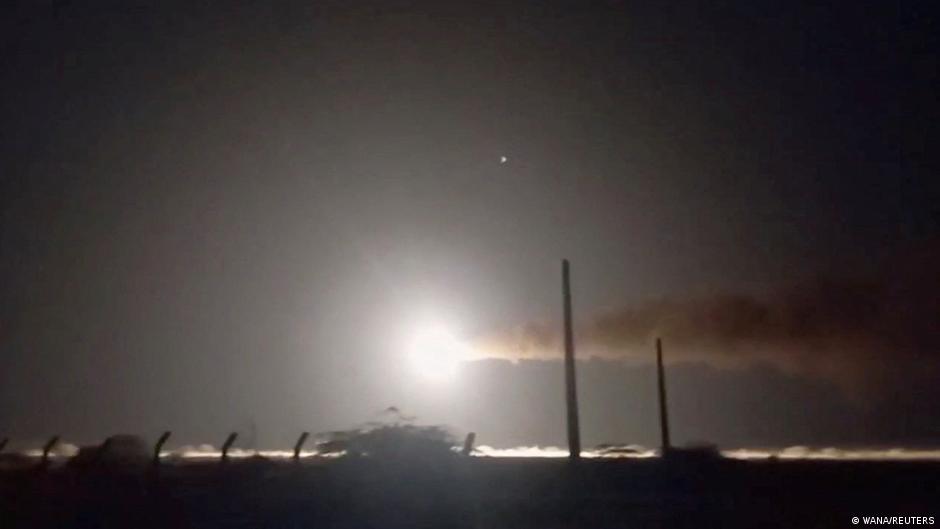
Recent intelligence assessments reveal that Iran has managed to preserve a significant portion of its military missile capabilities despite US military actions. This contradicts official statements from the US government, which claimed that Iran's military threat had been largely neutralized.
Market Implications Amid Military Intelligence Findings
According to US intelligence data, the Islamic Republic currently controls approximately 70% of its mobile missile launchers on Iranian territory and around 70% of its pre-conflict missile arsenal. This arsenal includes both ballistic missiles capable of striking regional targets and a limited number of cruise missiles for shorter-range engagements against ground or naval targets.
Of particular concern are reports that Iran has restored combat readiness at 30 out of 33 missile complexes located along the strategically vital Strait of Hormuz. These sites could pose a direct threat to US naval vessels and commercial oil tankers transiting the area, a critical artery for global energy markets.
Satellite imagery and other intelligence sources suggest that Iran has regained access to roughly 90% of its underground missile storage facilities and launch sites nationwide, many of which are now partially or fully operational. These findings were corroborated by multiple US media outlets citing intelligence sources.
"New intelligence data suggests that US military estimates have overstated the damage inflicted on Iran's missile infrastructure and underestimated Tehran's resilience and recovery capabilities."
US President Donald Trump and Defense Secretary Mark Esper had previously asserted that Iran's military capabilities were "destroyed" or no longer posed a threat. However, these new intelligence revelations challenge such assertions, indicating that Iran remains a potent military actor in the region.
From a capital markets perspective, these developments have significant ramifications. The US military is reportedly depleting critical ammunition stocks, including Tomahawk cruise missiles, Patriot missile system rockets, and other precision strike munitions. Renewed or intensified military campaigns to further degrade Iranian capabilities could exacerbate this depletion, pressuring defense contractors and the Pentagon's procurement processes.
European allies who have procured US munitions worth billions of dollars for Ukraine are reportedly concerned that their deliveries may be delayed or reduced as the US prioritizes replenishing its own military inventory. This supply chain tension introduces uncertainty into defense equities and bond markets amid heightened geopolitical risk.
Despite these intelligence findings, White House spokesperson Olivia Walz reaffirmed the administration's stance that Iran's military potential has been "crushed" and warned that any contrary assessments underestimate Iran's real situation. Pentagon spokesperson Sean Parnell emphasized that the US armed forces remain fully equipped to defend national interests.
Investors should monitor these evolving military dynamics closely, as sustained conflict or increased military expenditures could influence defense sector valuations, government bond yields, and energy market stability tied to the Strait of Hormuz.