SpaceX Files for Potential $75 Billion IPO, Set to Become Largest in History
Elon Musk's aerospace company SpaceX plans a record-breaking IPO on Nasdaq, signaling major shifts for investors and capital markets.
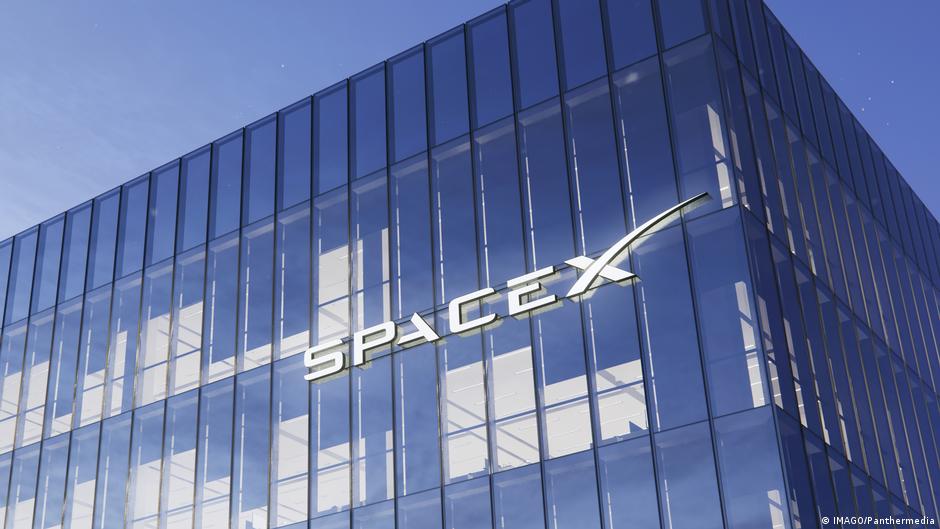
SpaceX, the aerospace giant founded by Elon Musk, has filed for an initial public offering (IPO) that could raise a staggering $75 billion, potentially making it the largest IPO in history. The company submitted its registration documents to the U.S. Securities and Exchange Commission (SEC) on May 20, setting the stage for a landmark event in capital markets.
The anticipated listing will be on the Nasdaq stock exchange under the ticker symbol "SPCX," with trading expected to commence as early as June. Market participants and investors are closely monitoring this development due to the immense scale and strategic impact of the offering.
Financial Performance and Market Implications
For the first time in SpaceX’s 24-year history, the company disclosed detailed financial metrics in its IPO filing. The 2025 revenue projection is approximately $18.7 billion, underscoring significant growth in its aerospace and satellite internet businesses. However, SpaceX also reported an operating loss of $2.6 billion, primarily due to heavy investments in next-generation rocket technologies and artificial intelligence advancements.
"SpaceX’s investment in innovation suppresses current profits but positions the company as a long-term market leader in space technology and broadband services."
The company’s decision not to pay dividends in the foreseeable future suggests a focus on reinvestment and expansion rather than immediate returns for shareholders. This aligns with SpaceX’s capital-intensive business model and ambitious goals, such as developing reusable rockets and expanding the Starlink satellite internet network, which currently includes around 10,000 satellites.
From a capital markets perspective, SpaceX’s IPO introduces a new high-profile equity offering with substantial implications for both public investors and the aerospace sector. The massive capital raise could influence valuations of related stocks and bonds, affecting investor sentiment across technology and space-focused equities.
Furthermore, Elon Musk will maintain leadership roles as CEO, CTO, and chairman after the IPO, which may reassure investors about continuity in vision and strategy during the company’s public transition.
Investor Considerations and Market Reactions
The sheer scale of the IPO, if fully realized, could reshape market dynamics, drawing significant liquidity and attention from institutional investors, mutual funds, and retail participants. However, investors should weigh the risks associated with SpaceX’s current operating losses and the capital-intensive nature of space exploration ventures.
Bond markets may also be affected indirectly as SpaceX’s entry into public equity markets might alter borrowing strategies among aerospace firms and related industries. Additionally, the IPO’s timing amidst volatile market conditions will be critical to gauging investor appetite for such a high-profile offering.
As SpaceX transitions from a private innovator to a publicly traded entity, market watchers will track how its valuation compares with other tech and aerospace firms, especially given its dual focus on satellite broadband and space exploration.
Overall, the SpaceX IPO stands as a landmark event that could redefine investment opportunities in emerging aerospace technologies and large-scale infrastructure projects.