North Korea’s Missile Tests Raise Market Concerns Over Regional Security and Investor Sentiment
North Korea conducted multiple missile launches, prompting cautious market reactions amid geopolitical tensions impacting investor confidence.
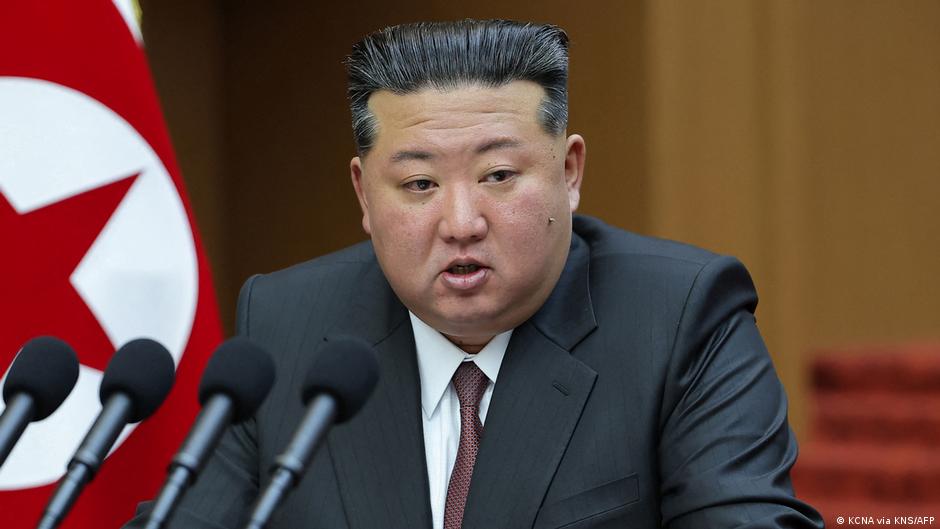
North Korea recently conducted a series of missile tests involving tactical ballistic missiles, artillery rockets, and high-precision cruise missiles, escalating geopolitical tensions in East Asia. These launches, overseen by leader Kim Jong Un, have drawn the attention of global markets, particularly capital markets focused on risk assessment, equity valuations, and bond yields.
Market Reactions to North Korea’s Missile Tests
The missile launches, reported on May 26 and confirmed by regional intelligence, have unnerved investors due to the heightened risk of instability on the Korean Peninsula. Equity markets in Asia, particularly in South Korea and Japan, experienced mild sell-offs as concerns about regional security weighed on investor sentiment. Defensive sectors such as defense contractors saw modest gains as the prospect of increased military spending became more likely.
Bond markets responded with a flight to safety, with yields on South Korean sovereign bonds declining amid increased demand. Global safe-haven assets, including U.S. Treasuries and gold, also saw inflows as investors sought to hedge against geopolitical risks. However, overall volatility remained contained, reflecting a wait-and-see stance among market participants.
"North Korea's advancements in missile technology challenge regional stability and introduce new variables for investors assessing geopolitical risk premiums," says a market strategist.
Implications for Investors and Capital Markets
The high-precision cruise missile tested reportedly incorporates multiple navigation systems, including terrain mapping and AI-based guidance, allowing it to accurately strike targets within a 100-kilometer radius. This technological advancement signals a significant enhancement in North Korea's military capabilities, potentially shifting the strategic balance in the region.
For investors, these developments underscore the need to factor in geopolitical risk when evaluating equities and fixed income instruments in East Asia. Companies with exposure to defense spending may benefit from increased government budgets, while sectors reliant on stable trade relations could face headwinds.
Moreover, the tests could influence central bank policies in the region, as heightened uncertainty might prompt more accommodative monetary stances to support economic stability. Currency markets may also experience fluctuations as risk perceptions evolve.
In summary, North Korea’s recent missile tests serve as a reminder of the complex interplay between geopolitical events and capital markets. Investors are advised to maintain diversified portfolios and monitor developments closely, as shifts in military capabilities can quickly alter risk landscapes and investment outlooks.