BBC Plans to Cut Around 10% of Workforce Amid Financial Pressures and Industry Shifts
The British broadcaster aims to reduce about 1,800 to 2,000 jobs over two years to address declining revenues and intensifying competition.
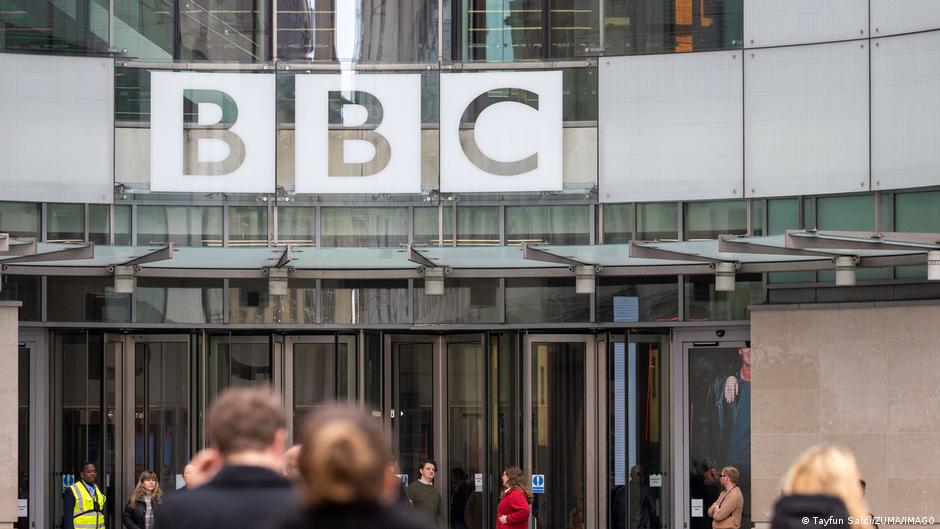
The British Broadcasting Corporation (BBC) has announced plans to reduce its workforce by approximately 10% over the next two years, equating to around 1,800 to 2,000 job cuts. This move aims to alleviate substantial financial pressures amid a changing media landscape, according to statements made by BBC executives.
Financial Strain and Industry Challenges
BBC Director-General Rhodri Talfan Davies highlighted the "significant financial pressure" the organization is currently facing. The broadcaster needs to reduce operational costs by about £500 million (approximately €575 million), with most of the savings expected to materialize in the 2027-2028 fiscal years.
These cost-cutting measures come as the broadcaster contends with a broader crisis across the media industry. A decline in license fee revenues — a primary source of funding for the BBC — has been notable. Since 2017, the income derived from the UK television license fee has dropped by 24%, reflecting changing viewer habits and challenges in collecting fees from an evolving audience base.
"BBC is under substantial financial strain and must adapt to an increasingly competitive and technology-driven media environment," said Rhodri Talfan Davies.
The emergence and rapid adoption of streaming platforms and online subscription services have intensified competition for audience attention. Global giants in the streaming space are attracting viewers with on-demand content, prompting the BBC to accelerate its digital transformation efforts and prioritize online content distribution.
Market Implications and Investor Considerations
From a capital markets perspective, these developments may influence investor sentiment concerning the media sector and public broadcasters in particular. The BBC's financial challenges reflect broader industry trends where legacy media companies face shrinking traditional revenue streams while requiring significant investment in technology and content innovation.
Investors in media-related equities and bonds should monitor how the BBC’s restructuring affects related markets. The corporation's shift towards digital services, including news applications and its iPlayer streaming platform, indicates a strategic pivot that could reshape content delivery models and competitive dynamics in the UK media market.
Cost-cutting through workforce reduction may improve operational efficiency and reduce cash burn, potentially stabilizing the broadcaster's financial footing over the medium term. However, the scale of the restructuring also signals the depth of disruption facing publicly funded media institutions, which may prompt reassessment of their long-term sustainability and funding mechanisms.
Moreover, the BBC’s experience underscores the risks traditional broadcasters face globally, which could impact valuations and investment flows in related sectors, including telecommunications, content production, and technology firms supporting digital transitions.
In summary, the BBC's planned workforce reduction and strategic redirection towards digital platforms highlight critical shifts in the media industry that investors should closely watch, as they may have far-reaching consequences for market valuations and capital allocation in the media and entertainment sectors.