US Court Strikes Down $100,000 H-1B Visa Fee, Impacting Tech Sector Hiring Costs
Federal judge rules the Trump administration’s $100,000 H-1B visa fee unlawful, easing expenses for employers amid talent shortages.
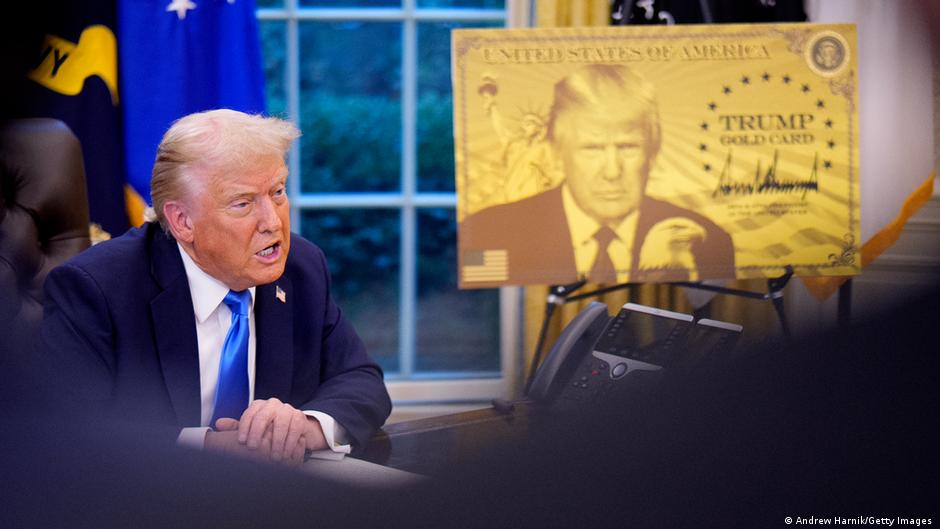
A federal judge in the United States has invalidated the $100,000 fee imposed on H-1B visa applications under the Trump administration, a decision that could influence hiring strategies in the tech and other specialized sectors.
Legal Challenge and Market Implications
On June 8, U.S. District Judge Leo Sorokin ruled that the $100,000 surcharge on H-1B visa petitions, introduced in September 2025, was unlawful. The fee, intended for highly skilled foreign workers, was deemed an unauthorized tax exceeding executive authority. The lawsuit was brought by 20 states, arguing that the president lacked the delegated power to impose such a tax.
"The president did not have the authority or delegated power to impose a tax on H-1B visa applications," the court stated in its ruling.
This decision contrasts with a previous ruling by another federal judge who upheld the fee’s legality; that verdict is currently under appeal. The ongoing legal uncertainty has created volatility for companies reliant on H-1B visas, especially in the technology sector where approximately three-quarters of approved petitions are for Indian nationals.
Initially, the Trump administration justified the hike as part of its broader immigration policy aimed at protecting American workers by discouraging foreign labor from occupying domestic jobs. Prior to the fee increase, H-1B visa processing costs were capped at around $5,000.
Market and Investor Considerations
The court’s decision is likely to ease financial burdens for tech giants and other businesses heavily dependent on specialized foreign talent, potentially reducing their operating costs. Given the competitive labor market, especially in areas demanding niche skills, the removal of this fee may encourage continued investment and employment growth.
Equity investors may view this ruling favorably in the short term, as it could improve profit margins for companies with significant foreign specialist workforces. Conversely, bond markets tracking corporate debt could see subtle shifts as firms adjust capital expenditure plans in light of the altered regulatory environment.
Overall, the cancellation of this fee reduces uncertainty surrounding visa-related expenses, allowing corporates and investors to better forecast talent acquisition costs. Market participants will closely monitor the ongoing appeals and potential policy responses, which could introduce further volatility.
As the ruling unfolds, investors should consider the broader implications for sectors reliant on skilled immigration, including technology, engineering, and healthcare, where talent shortages remain acute.