France and Poland Collaborate on Military Satellite to Enhance Secure Communications
Joint satellite project aims to reduce reliance on Starlink and strengthen European defense capabilities by 2030.
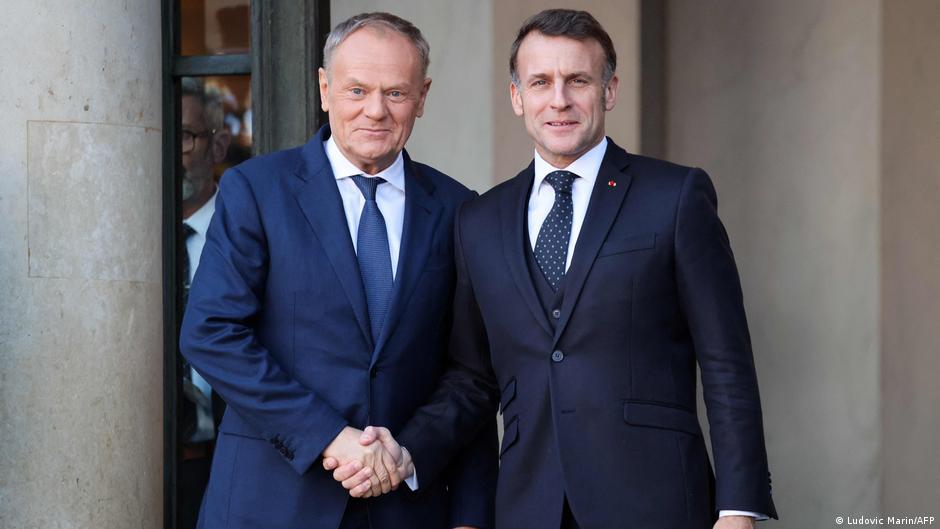
France and Poland have announced a strategic partnership to build a military communications satellite designed to ensure secure channels for the Polish armed forces. The announcement was made during a meeting in Gdańsk between French President Emmanuel Macron and Polish Prime Minister Donald Tusk on April 20.
European Defense Initiative to Boost Secure Communications
The collaboration involves leading aerospace and defense firms—Thales Alenia Space, Airbus Defence and Space, and RADMOR—working together on this joint project. This satellite initiative is aligned with the European Commission’s defense plan aiming for autonomous and robust military capabilities within the European Union by 2030.
The satellite will serve as an alternative to the widely used Starlink system, reducing reliance on the US-based constellation owned by Elon Musk’s SpaceX, whose political decisions have been deemed unpredictable by some European stakeholders. This move demonstrates a broader trend of European countries seeking to develop independent space-based infrastructure for critical defense communication.
"Europe is striving to build sufficient capacity to ensure autonomous defense capabilities by 2030," said a statement from Thales Alenia Space.
While financial details of the deal remain undisclosed, the collaboration represents a significant investment in the continent’s defense technology sector. Investors and market participants are likely to monitor the involved defense contractors closely, as success in this venture could bolster their market positions and catalyze further defense spending in Europe.
Broader Strategic Implications and Market Impact
Beyond satellite communications, Macron and Tusk discussed broader security themes including nuclear deterrence, energy security, and the European Union's Security Action for Europe (SAFE) fund, which supports investment in European defense infrastructure. The discussions also outlined plans for cooperation in missile defense, long-range weaponry, and early missile warning systems.
The focus on enhancing defense autonomy aligns with rising geopolitical uncertainties, which in turn affects capital markets by increasing demand for defense equities and government bonds linked to military spending. Market analysts expect this trend to drive a shift in investment portfolios toward companies involved in defense and aerospace sectors across Europe.
Given the strategic significance of this satellite project and associated defense collaborations, investors may factor in potential growth opportunities for European defense contractors, as well as the implications for the security landscape that could influence bond yields and equity valuations, particularly in sectors tied to government contracts and technology innovation.
Overall, the France-Poland military satellite initiative marks a key step in Europe's drive to secure independent and resilient defense capabilities, potentially reshaping the capital markets landscape in defense and aerospace industries.