Cyberattack on 50 Global Firms Linked to Russian Hackers Raises Market Concerns
Data breach claims by Cl0p group impact major corporations, stirring investor caution in equities and bonds.
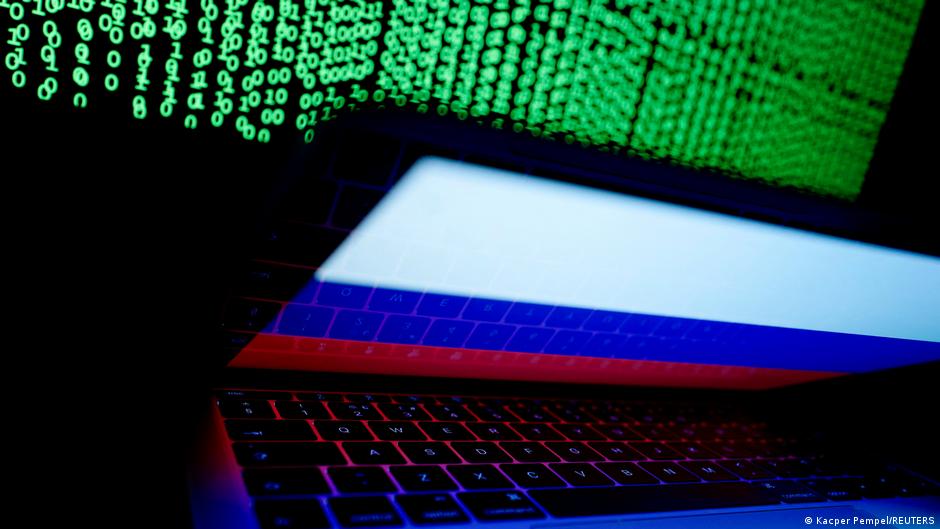
The cybersecurity group Cl0p, reportedly connected to Russia, has claimed responsibility for stealing data from nearly 50 global companies, including major names such as Philips, Shell, Fiserv, and General Electric. This development has heightened concerns in capital markets about cybersecurity risks affecting corporate valuations and investor confidence.
Market Implications of the Cl0p Cyberattack
Cl0p leverages software vulnerabilities to conduct simultaneous attacks targeting a broad range of companies worldwide. The group’s recent announcement on August 14 has put spotlight on potential operational and financial impacts for affected firms. Notably, these companies span various sectors, including healthcare technology, energy, financial services, and industrial manufacturing, each critical to global supply chains and market stability.
"The incident did not affect client environments," Philips confirmed, emphasizing containment efforts on an internal server linked to corporate data.
Despite Cl0p’s claims, companies remain cautious in their public statements. Philips reported detecting and localizing the cyber threat on a specific corporate server without impact on customer environments. Fiserv, a fintech company, acknowledged awareness of the hacker statements but stated that comprehensive analyses have found no evidence of compromised client data, banking transactions, or operational disruptions.
Market participants are closely watching these developments as cybersecurity incidents can prompt volatility in equity prices and risk premiums in corporate bonds. Uncertainty about the scale and nature of data breaches often triggers investor risk aversion, particularly in sectors tied to critical infrastructure and financial services.
Broader Context of Russian-Linked Cyber Threats
Cl0p is among several hacker groups linked by Western media and intelligence agencies to Russian state interests. Over recent months, Russian-affiliated cyber actors have been implicated in attacks targeting messaging platforms, government agencies, and critical infrastructure across multiple Western countries.
For instance, Dutch intelligence reported in March that Russian cybercriminals attacked Signal and WhatsApp, potentially accessing sensitive information of officials and journalists. In April, German and US intelligence warned of router hacks in government institutions by Fancy Bear, a group associated with Russian military intelligence. In July, UK officials revealed cyber intrusions into government emails and critical infrastructure by Russian hackers, with stolen data offered for sale on the dark web.
These ongoing cyber threats have led to heightened regulatory and geopolitical risks for companies exposed to Russian operations or supply chains, prompting the EU and UK to impose sanctions on Russian FSB-linked hackers in July.
Investor Perspectives and Risk Management
Investors are advised to monitor the situation closely, given the potential for cascading effects on corporate earnings, legal liabilities, and reputational damage. Cybersecurity resilience is increasingly viewed as a key factor in assessing company risk profiles and valuation. Equities in sectors targeted by these attacks may experience increased volatility, while corporate bond spreads could widen amid uncertainty over companies’ risk exposure and potential remediation costs.
Portfolio managers and analysts are urged to integrate cybersecurity risks into their due diligence and risk assessment frameworks, recognizing that cyberattacks represent a growing threat vector in global capital markets.
As the investigation into the extent of the Cl0p hack continues, firms and investors alike face the challenge of balancing operational transparency with prudent risk management in a shifting geopolitical landscape.