Drone Attacks on Belgorod Cause Damage and Injuries, Raising Market Uncertainty
Recent drone strikes on Belgorod damaged residential and strategic infrastructure, prompting investor concerns over regional stability.
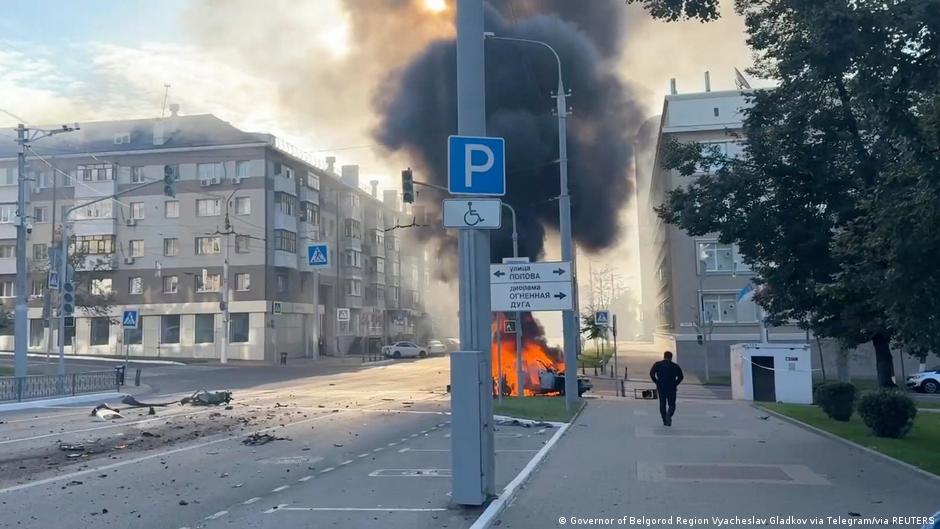
In the early hours of August 9, the Russian border city of Belgorod experienced a series of drone attacks, reportedly carried out by Ukrainian forces. The strikes resulted in damage to multiple high-rise residential buildings, administrative structures, and potentially critical infrastructure, including a local thermal power plant and a regional FSB security office. Authorities confirmed 13 people were injured, including two children.
Market Implications of the Belgorod Attacks
The strikes on Belgorod, situated near the Russia-Ukraine border, have heightened geopolitical tensions and introduced new uncertainties into regional capital markets. Investors monitoring Russian equities and sovereign bonds are weighing the potential economic fallout from escalating hostilities.
Belgorod's thermal power station (ТЭЦ), reportedly located within 600 meters of one of the damaged residential buildings, represents a key energy asset for the region. Damage to such infrastructure could disrupt energy supplies and increase operational costs for local businesses, potentially impacting the regional economy and corporate earnings.
Moreover, the reported damage to the FSB’s Belgorod regional office could signal an intensification of security concerns, which typically weigh on investor confidence. Heightened geopolitical risk often drives increased volatility in Russian equity markets and can lead to wider credit spreads in Russian sovereign and corporate bonds.
Open-source intelligence (OSINT) analyses, such as those from the Ukrainian channel Exilenova+ and Astra publication, indicate that dozens of armed drones were deployed, reflecting a substantial escalation in the use of unmanned aerial technology in cross-border confrontations. This technological aspect adds complexity to the security environment and may influence risk assessments among foreign and domestic investors.
"The destruction of critical infrastructure and residential buildings in Belgorod underscores the growing regional instability that investors must now factor into portfolio risk models," said a market analyst specializing in emerging market risks.
Immediate market reactions included increased volatility in Russian equity indices, particularly in sectors sensitive to energy and defense. Bond markets also saw a modest widening of spreads on Russian sovereign debt amid concerns about the conflict’s potential to disrupt economic activity and heighten sanctions risk.
For investors, these developments highlight the importance of monitoring geopolitical events closely and considering the implications for asset allocation within Russian and broader emerging market portfolios. The attack’s timing and scale could prompt revisions in risk premiums and a reassessment of investment strategies targeting Russia.
In summary, the drone attacks on Belgorod have not only caused human and infrastructure damage but have also introduced renewed uncertainty in capital markets. As the situation unfolds, market participants will continue to evaluate the evolving risks and their impact on investment returns.