US Defense Firms Warn of Risks as Ukraine Seeks Patriot Missile Production Rights
Concerns arise over potential Ukrainian upgrades and mass production of Patriot missiles amid ongoing conflict.
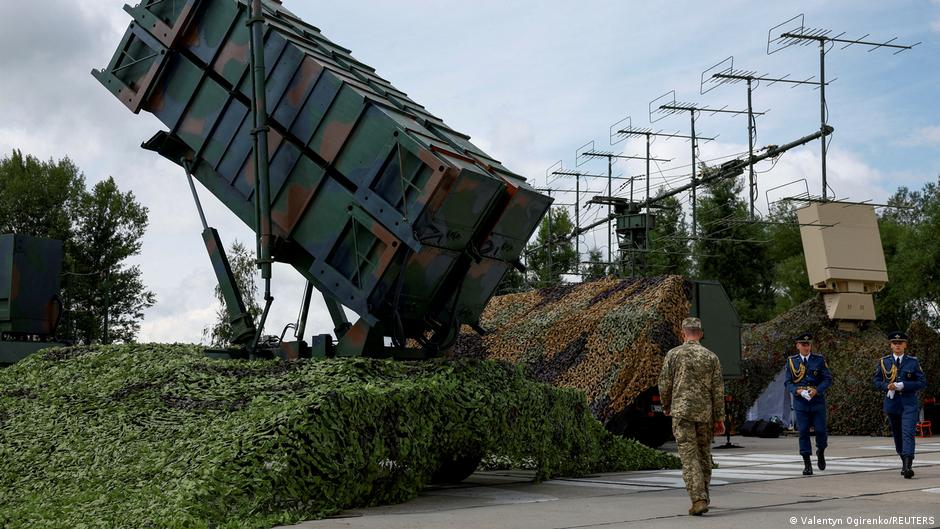
American defense contractors Raytheon and Lockheed Martin have expressed apprehensions that Ukraine, if granted licenses to produce Patriot missile interceptors, might improve the technology and subsequently manufacture the missiles in larger quantities, more quickly, and at significantly lower costs than possible in U.S. production facilities.
The concerns were highlighted in a report citing a U.S. Republican lawmaker supportive of issuing such licenses to Kyiv. Officially, the defense companies justify their stance by warning of intellectual property theft and the unauthorized transfer of sensitive technology.
Impact on Capital Markets and Investor Considerations
The prospect of Ukraine gaining production capabilities for Patriot missiles introduces complex dynamics for investors in the defense and aerospace sectors. Raytheon and Lockheed Martin, both publicly traded firms, face potential risks related to intellectual property and competitive disadvantage if production shifts or expands outside established U.S. centers.
"The possibility of Ukraine manufacturing Patriots more efficiently could undercut U.S. production lines, impacting defense contractors' market valuations," noted market analysts.
Investors should monitor ongoing licensing negotiations and geopolitical developments closely, as shifts in production rights can affect stock prices and bond yields of these companies. Furthermore, the U.S. administration's hesitance to approve licenses may reflect broader strategic and economic calculations, which in turn influence defense spending and contract awards.
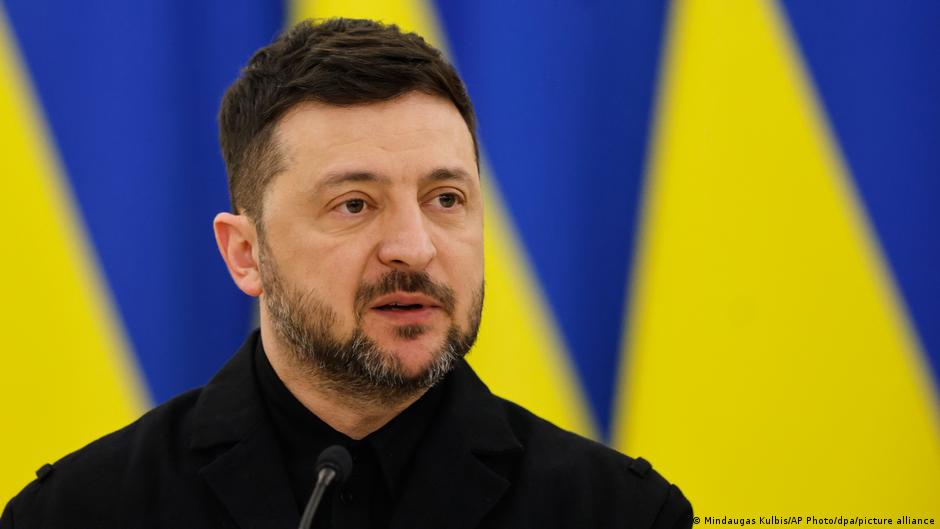
Ukrainian President Volodymyr Zelensky revealed that he had initially requested Patriot missile licenses from former President Joe Biden early in the conflict. While an agreement was reportedly made with former President Donald Trump to issue these licenses, bureaucratic delays continue to stall progress. Zelensky emphasized the urgency due to ongoing missile threats and called on European allies to follow suit in providing necessary licenses.
Journalistic sources report that Ukrainian officials proposed the licensing to senior U.S. defense figures, including then-Secretary of Defense Lloyd Austin and National Security Advisor Jake Sullivan, but were met with unexplained refusals. This hesitancy underscores the U.S. government's concerns about technology proliferation and its impact on domestic defense production.
The ability for Ukraine to produce surplus Patriot missiles would enable not only their direct defense but also potential redistribution to U.S. allies, a factor that may unsettle the American defense market and warrant careful investor evaluation.
On August 6, former President Trump commented on the issue, highlighting that the U.S. itself requires additional missiles and criticized the Biden administration for depleting U.S. ammunition stockpiles through extensive military aid to Ukraine. Trump stated that replenishing these stockpiles is ongoing and that some potent munitions are being used sparingly due to limited supplies.
This context of strained U.S. ammunition inventories and the strategic importance of missile production rights adds layers of uncertainty for investors tracking defense equities and municipal bonds tied to defense contracts.
Overall, the evolving situation signals a need for close attention from capital markets participants, as geopolitical decisions on arms production and licensing can materially influence defense sector valuations and investor risk profiles.