Lufthansa to Cancel 20,000 Flights to Cut Fuel Costs Amid Energy Crisis
Lufthansa plans extensive flight cancellations through October 2026 to save over 40,000 tons of jet fuel, impacting airline efficiency and investor outlook.
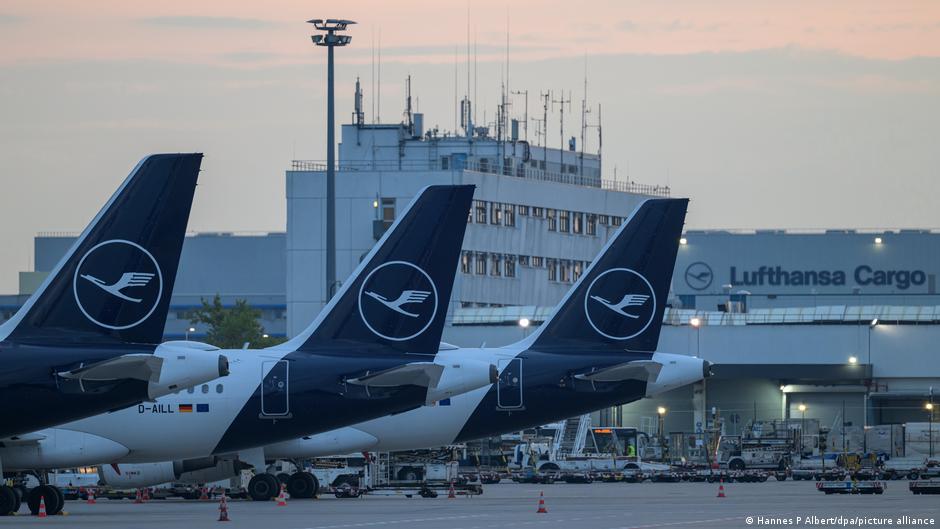
German flag carrier Lufthansa has announced plans to cancel 20,000 flights between June and October 2026 to reduce aviation fuel consumption amid a deepening energy crisis sparked by geopolitical tensions in the Middle East. The airline expects these cancellations to save more than 40,000 tons of jet fuel, according to a company press release dated April 21, 2024.
Market and Operational Implications for Lufthansa
Despite the large number of canceled flights, Lufthansa anticipates that the impact on its operational efficiency — measured in available seat-kilometers (ASK) — will be limited to less than a one percentage point decline. The company plans to achieve this by cutting unprofitable short-haul routes from its Frankfurt and Munich hubs while expanding existing flights from Zurich, Vienna, and Brussels. Adjustments will also affect its hub in Rome.
The airline has already begun canceling flights scheduled through May 31, with 120 daily flights scrapped as of April 20, including routes from Frankfurt to Bydgoszcz and Rzeszów in Poland and Stavanger in Norway.
Additionally, Lufthansa announced the early retirement of all 27 aging Canadair CRJ aircraft operated by its loss-making subsidiary CityLine, a move driven by rising kerosene costs and labor disputes. The airline will also phase out four Airbus A340-600 and two Boeing 747-400 long-haul aircraft by October 2024, further reducing available capacity.
By winter, Lufthansa intends to lower the total ASK for its main brand, signaling a cautious approach to capacity in response to elevated energy prices.
"The planned reduction in flights and fleet downsizing reflect Lufthansa's strategic response to the ongoing energy crisis, aiming to balance fuel savings with operational efficiency," a company spokesperson said.
Investor and Market Reactions
The cancellation announcement adds to investor concerns about the broader impact of rising energy costs and geopolitical instability on the airline industry. Lufthansa’s stock has exhibited increased volatility as markets digest the implications of reduced flight capacity and potential revenue impacts balanced against cost-saving measures.
Bond investors are monitoring the airline’s cash flow dynamics closely, given the potentially prolonged nature of fuel price pressures. The shift away from fuel-intensive aircraft and unprofitable routes may bolster operational resilience but also signals a more conservative growth outlook.
Other European carriers are taking similar measures: SAS Scandinavian Airlines will cancel around 1,000 flights in April, Air France-KLM has introduced a fuel surcharge of up to 100 euros on long-haul tickets, and Moldovan airline FlyOne has also announced cancellations due to fuel constraints.
The European Commission is expected to present a plan addressing the energy crisis on April 22, which may influence market sentiment and energy cost trajectories for airlines.
For investors, Lufthansa's strategy underscores the need to evaluate airlines’ adaptability to energy market volatility, operational efficiency, and cost management in an uncertain geopolitical environment. The company's balancing act between capacity cuts and fuel savings will likely remain a key factor in its financial performance and stock stability heading into 2025.