Ukraine Calls for Ban on Russian Troops in UN Missions Amid Security Council Tensions
Ukraine urges prohibition of Russian military participation in UN peacekeeping due to documented sexual offenses, impacting geopolitical stability and investor sentiment.
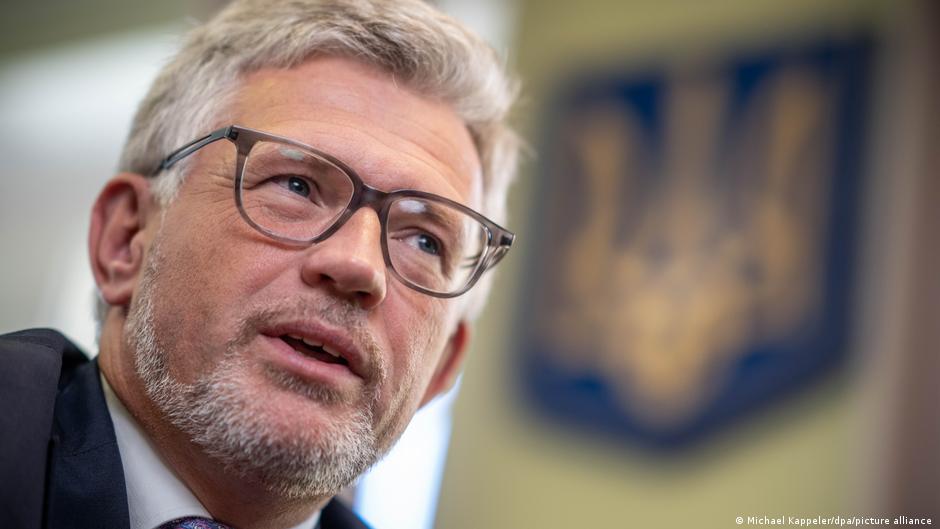
Ukraine has called for a ban on the participation of Russian military forces in United Nations peacekeeping and police missions, citing documented cases of sexual crimes committed by Russian troops in Ukraine. This demand was articulated by Ukraine's Permanent Representative to the UN, Andriy Melnyk, during an emergency session of the UN Security Council on June 8.
Market Implications of Geopolitical Developments
Melnyk's statement highlighted the ongoing geopolitical tensions that continue to affect global capital markets. The inclusion of the Russian military on the UN's blacklist for sexual violence in conflict zones marks a significant diplomatic escalation, which may influence investor confidence in Russian assets and sovereign bonds.
"Armed forces recently re-listed by the UN Secretary-General for conflict-related sexual violence cannot and should not participate in any operations under the UN flag," Melnyk declared.
He further criticized Russia's permanent UN representative Vasily Nebenzya's response, who had framed the UN report as an attempt to discredit Russia. Melnyk suggested that Russia might consider withdrawing from the United Nations if it continues to reject decisions from the General Assembly and related bodies.
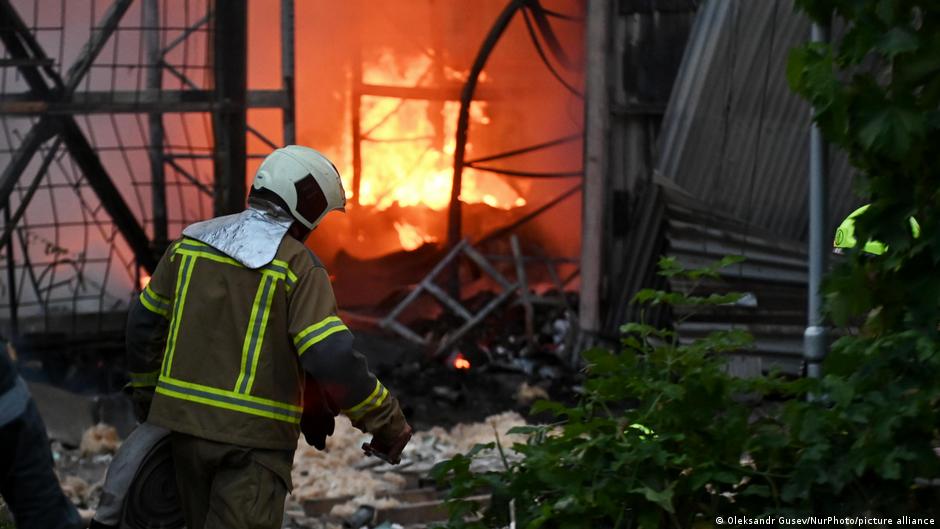
From a capital markets perspective, the repeated rejection of diplomatic resolutions and ongoing military actions — including the recent large-scale Russian attacks in early June that caused civilian casualties — contribute to heightened uncertainties. Such geopolitical risks tend to increase volatility in global equity markets and may lead to risk premiums on Russian sovereign debt, affecting bond yields and foreign investment inflows.
Ukraine’s call for the exclusion of Russian troops from peacekeeping missions may also influence international cooperation frameworks, potentially disrupting peacekeeping operations and impacting related defense sector equities and contractors involved in UN missions worldwide.
Furthermore, Melnyk underscored Russia's refusal to engage in proposed peace talks, stating that Ukraine offered a concrete path forward through a leader-level meeting on neutral ground, which was declined by President Putin. This stalemate perpetuates conflict-related uncertainties, which investors must monitor closely as they adjust risk assessments and portfolio allocations accordingly.
In sum, the diplomatic rift and security developments signal elevated geopolitical risk factors that are likely to prompt cautious positioning among institutional investors, particularly in markets sensitive to Eastern European stability.