US Imposes Sanctions on Cuba’s State Oil Company, Impacting Energy Sector Investments
Washington targets Union Cuba Petroleo (CUPET) amid escalating geopolitical tensions, affecting investor sentiment in energy and emerging markets.
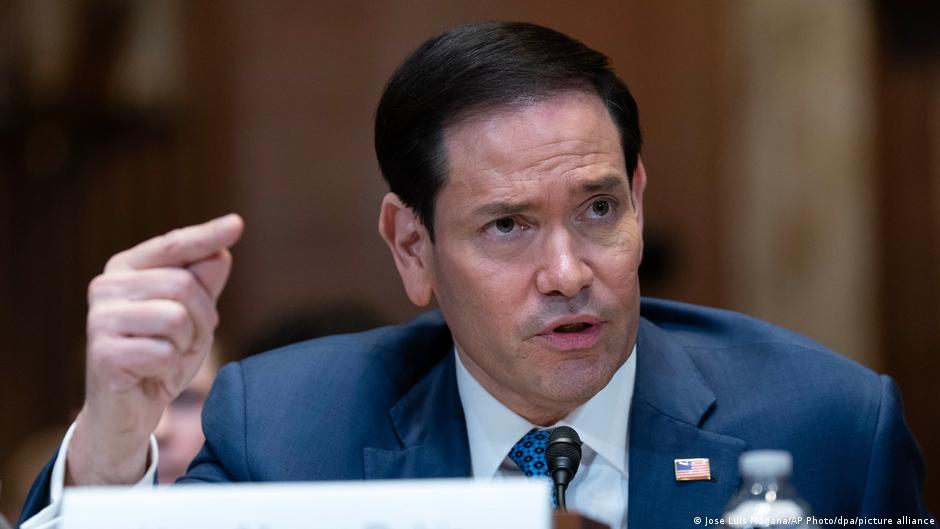
The United States government has announced new sanctions against Cuba’s state-owned oil and gas company, Union Cuba Petroleo (CUPET), intensifying economic pressure on the island nation. The move, declared by U.S. Secretary of State Marco Rubio, is likely to have significant implications for investors exposed to the Cuban energy sector and related markets.
Market and Investor Implications of CUPET Sanctions
The U.S. Treasury Department added CUPET to its Specially Designated Nationals (SDN) list, effectively prohibiting American individuals and entities from engaging in business with the company. Foreign entities are also warned of potential sanctions if they continue to do business with CUPET, signaling heightened risks for international investors and partners.
"The Cuban communist elite uses energy resources as tools of social control and kleptocratic gain," said Secretary Rubio, justifying the sanctions aimed at curbing the Cuban regime’s economic leverage.
This development comes amid a broader U.S. strategy of tightening economic restrictions on Cuba, following recent sanctions on Cuban President Miguel Díaz-Canel and relatives of former leader Raúl Castro. The cumulative effect of these measures increases uncertainty in Cuba’s energy sector, which is already grappling with supply shortages and infrastructure challenges.
For capital markets, these sanctions present heightened risks for any companies or investors with indirect exposure to Cuba’s energy imports or exports. Cuban energy infrastructure is heavily reliant on Venezuelan oil supplies, which have sharply declined after the U.S.-supported capture of Venezuelan President Nicolás Maduro and subsequent disruption of Venezuela-to-Cuba oil shipments.
As Cuba endures its deepest economic crisis since the Soviet Union’s collapse, with frequent power outages and fuel scarcity, the sanctions intensify pressures that may delay recovery and infrastructure investments. Equity markets focused on Latin America and emerging oil-related assets may see increased volatility due to these developments.
Bondholders with Cuban sovereign or quasi-sovereign debt should also be wary, as the country’s constrained foreign exchange earnings and deteriorating energy security could impact debt servicing capacity. The broadening scope of sanctions could also deter potential external financing or partnerships needed for energy sector rehabilitation.
Broader Geopolitical Context and Future Outlook
The U.S. administration has explicitly linked the sanctions to Cuba’s political environment, asserting that economic measures will continue until the Cuban people gain greater economic and political freedoms. The sanctions signal an intent to undermine the Cuban regime’s ability to leverage energy trade for political control and corruption.
For investors, the evolving sanctions landscape underscores the importance of geopolitical risk assessment in Latin American markets. Energy companies and funds with exposure to the region need to monitor potential spillover effects from U.S.-Cuba tensions, including supply chain disruptions and regulatory risks.
In summary, the U.S. sanctions on CUPET mark a notable escalation in economic pressure on Cuba’s state-controlled energy sector, with broad implications for capital markets investors. The move adds layers of risk to investments linked to Cuba’s energy imports, emerging market equities, and sovereign debt, warranting cautious evaluation amid ongoing geopolitical uncertainties.