Belgorod Region Restores Mobile Internet and Street Lighting Amid Evolving Security Measures
Temporary restoration of mobile internet and street lighting in Belgorod reflects adaptive regional policies amid ongoing security threats.
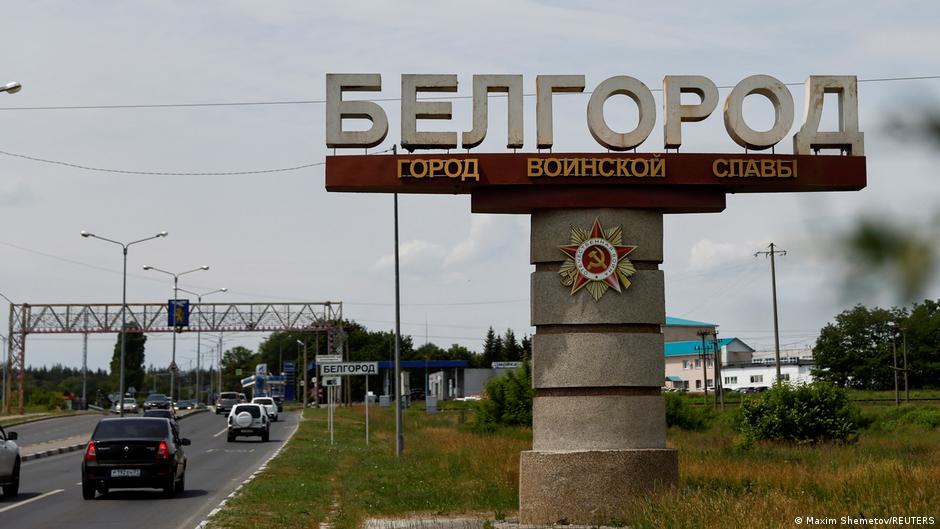
The acting governor of Russia's Belgorod region, Alexander Shuvaev, has ordered the resumption of stable mobile internet services and the reactivation of street lighting in the city of Belgorod. This move follows a period of restricted access and intermittent outages in response to ongoing security concerns in the border region.
According to regional authorities, from the evening of Saturday, May 30, mobile internet services were restored, and city streetlights were switched back on, marking a significant easing of previously imposed limitations. Governor Shuvaev indicated that these decisions were made after a thorough analysis of the current situation during an operational headquarters meeting and in consideration of residents' requests.
Security-Driven Restrictions and Market Implications
The measures had been in place since October 2025, when periodic shutdowns of street lighting and restrictions on mobile internet were implemented as defensive actions to mitigate risks associated with frequent shelling and missile strikes attributed to Ukrainian military actions. The regional mayor, Valentin Demidov, explained that reducing electricity loads via streetlight shutdowns helped accelerate power restoration efforts following attacks.
In late November, then-governor Vyacheslav Gladkov acknowledged the impact of partial mobile internet shutdowns on regional communication and emergency alert systems, emphasizing the balance between security and public information needs.
"Of course, these measures were taken to enhance safety. However, they disrupted critical communication channels vital for emergency responses and resident coordination," Gladkov had noted.
Belgorod's proximity to the Ukrainian border has made it a frequent target of military strikes. On the night of May 25, the region suffered two rounds of intense missile attacks, damaging energy infrastructure, causing electricity and water supply interruptions, and inflicting casualties and property damage.
From a capital markets perspective, these developments underscore the volatile environment in which regional infrastructure-dependent businesses operate. Energy disruptions and communication outages pose operational risks for local enterprises and could influence investor confidence in regional assets.
The phased restoration of services suggests an attempt to stabilize the local environment and support economic activities while retaining flexibility to reimpose restrictions if security threats escalate. For investors, monitoring such dynamic security measures is critical when assessing risk exposure in companies operating within or reliant on the Belgorod region.
Local authorities have delegated decisions regarding mobile internet and street lighting in other settlements within the region to municipal leaders, indicating a decentralized approach responsive to varying threat levels. This nuanced management may help mitigate broader economic fallout but also introduces a patchwork of operational conditions across the region.
As defensive measures evolve, market participants should watch for potential impacts on equity valuations of regional firms, bond market perceptions related to infrastructure resilience, and broader investor sentiment toward assets in conflict-adjacent areas. The balance between ensuring security and maintaining essential services remains a delicate and ongoing challenge for the Belgorod region's governance and economic stability.