EU Commits to Sustained Support for Ukraine Amid Independence Day Amid Market Uncertainty
European Union pledges ongoing backing for Ukraine and continued sanctions on Russia, influencing investor sentiment and capital flows.
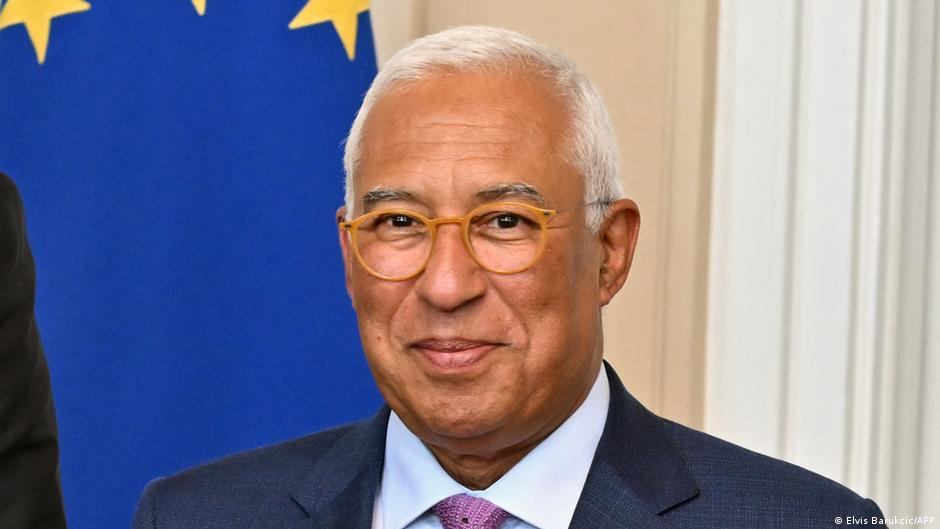
On Ukraine’s Independence Day, August 24, the European Union reaffirmed its commitment to provide unwavering support to Ukraine as it continues to face the challenges posed by the ongoing conflict with Russia. This announcement, articulated by European Council President António Costa, signals a prolonged engagement that could have significant implications for capital markets, including equities and bonds related to both Ukraine and Russia.
EU’s Long-Term Support and Sanctions Strategy
António Costa emphasized that the EU’s vision for Ukraine extends beyond the current conflict, highlighting that “the future of Ukraine within the European Union is the best guarantee of security and long-term democratic stability, both for Ukraine and for Europe as a whole.”
“We will continue to provide support for as long as necessary—during the war, in peace negotiations, and throughout the recovery,” Costa stated.
This pledge underscores the EU's readiness to maintain and potentially escalate sanctions on Russia until it shows genuine commitment to peace, ceases hostilities, and transitions from battlefield engagements to diplomatic negotiations. The EU’s signal of sustained economic pressure on Russia may continue to weigh on Russian sovereign debt and equity markets, while reinforcing investor confidence in Ukrainian recovery prospects supported by Western financial and political backing.
Impact on Capital Markets and Investors
For investors, the EU’s firm stance translates into a dual narrative: persistent geopolitical risk surrounding Russian assets, and a cautiously optimistic outlook for Ukrainian markets as reconstruction efforts gain momentum. The continuation and potential intensification of sanctions create ongoing volatility in Russian equities and corporate bonds, constraining capital inflows and increasing risk premiums.
Conversely, the affirmation of long-term EU support reinforces the investment case for Ukraine’s economic future, especially in sectors tied to post-conflict reconstruction and integration with European markets. International support via financial aid packages and diplomatic engagement is likely to underpin Ukrainian sovereign bonds and encourage foreign direct investment, despite the current conflict.
Global Leadership Engagement and Market Signals
The Independence Day events in Kyiv are attracting significant global attention, with leaders including UK Prime Minister Rishi Sunak, German Chancellor Friedrich Merz, French President Emmanuel Macron, and Baltic and Northern European leaders participating in the "Coalition of the Willing" summit. Sunak’s visit, his first overseas trip since taking office, alongside the involvement of other major European figures, signals strong international political and economic support.
Such high-profile engagement from European leaders is likely to provide further confidence to investors about the stability of Western support. It also underscores the strategic importance of Ukraine in European security and economic frameworks, which could translate into enhanced investor interest in Ukrainian markets and infrastructure projects over the medium to long term.
However, investors must remain vigilant to the evolving geopolitical risks, as ongoing conflict dynamics and the potential for escalation maintain elevated uncertainty. Market participants should monitor developments from the "Coalition of the Willing" summit and follow EU policy adaptations closely to adjust risk assessments and portfolio allocations accordingly.